
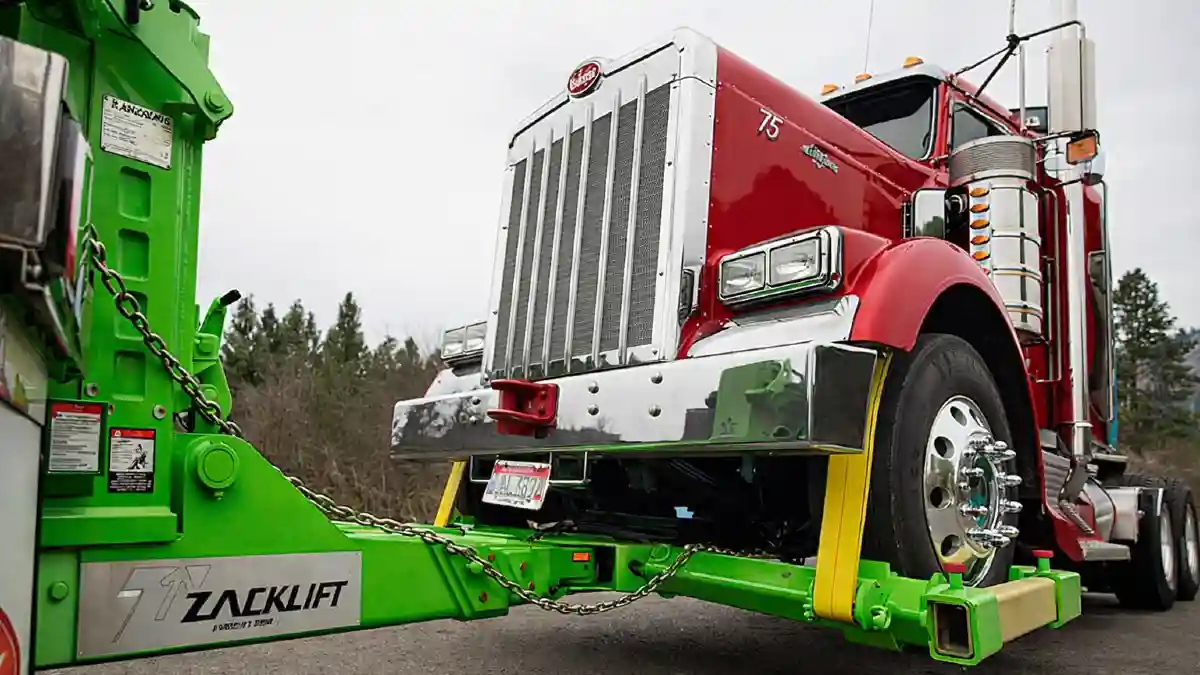
Towing a semi-truck isn’t simply a matter of hooking up the vehicle and pulling it down the road. Semi-trucks, or 18-wheelers, are heavy, long, and often loaded with cargo, making towing a specialized service that requires skill, equipment, and careful planning. It’s crucial for truck owners, operators, and fleet managers to understand the costs involved in towing a semi-truck so they can avoid unexpected expenses and ensure a smooth recovery operation.
This guide covers every aspect of semi-truck towing costs, including the factors that influence pricing, the types of towing services available, ways to reduce costs, and insurance considerations.
Why Towing a Semi Is Different from Regular Vehicles
Compared to standard cars, towing a semi-truck is more difficult and risky. The main reasons for this are:
#1. Heavy Weight and Large Size
Semi-trucks are massive vehicles. Even when empty, a standard semi-truck tractor can weigh 15,000 pounds, and fully loaded rigs with trailers can reach up to 80,000 pounds or more.
- Implications for Towing: Standard tow trucks are not designed to lift or pull such heavy vehicles safely. Attempting to use a regular tow truck could cause equipment damage, accidents, or even further damage to the semi.
- Required Equipment: Heavy-duty tow trucks with multi-axle designs and high-capacity hydraulic winches are essential to safely move the truck.
- Additional Challenges: The sheer size of a semi—typically 70–80 feet long with trailers—makes maneuvering on highways, tight roads, or urban areas significantly more difficult compared to a regular car.
This factor alone makes semi towing more expensive and complex than towing regular vehicles.
#2. Specialized Equipment
Towing a semi is not just about hooking up the vehicle and pulling it. Specialized tools and equipment are required to handle the truck’s size, weight, and possible cargo. Some key equipment includes:
- Flatbed Trailers: Used for long-distance towing or when the semi is damaged and cannot roll. Flatbeds provide stability and prevent further damage.
- Lowboy Trailers: Ideal for oversized or overweight semi-trucks. Their low deck height allows for safer transportation on highways.
- Heavy-Duty Wreckers: Designed to lift multiple tons safely, these trucks are essential for moving broken-down or partially disabled semis.
- Winches and Rigging Systems: Necessary for recovering trucks that are stuck in ditches, mud, snow, or after an accident.
- Air Brake Disconnect Tools: Semi-trailers have air brake systems that must be safely disconnected before towing. Improper handling can damage the brake system or create dangerous situations during the tow.
Without these specialized tools, towing a semi becomes unsafe, inefficient, and potentially illegal.
#3. Safety and Regulatory Requirements
Towing a semi involves strict safety and legal considerations:
- Permits for Oversized or Overweight Trucks: If a semi exceeds standard width, height, or weight limits, towing companies must obtain special permits. These permits ensure safe passage through highways and prevent fines.
- Pilot Cars and Traffic Control: Some semi-tows, especially long-distance or oversized ones, require escort vehicles (pilot cars) and traffic management to prevent accidents and ensure smooth navigation on busy highways.
- Hazardous Materials Considerations: If the semi carries hazardous materials, extra safety protocols are required, including specialized training for the tow operators and compliance with federal and state regulations.
Failing to follow these regulations can result in legal penalties, fines, and liability for accidents, which is why professional towing companies strictly adhere to these rules.
#4. Additional Considerations That Make Semi Towing Unique
- Time and Labor: Towing a semi often requires multiple operators, especially for on-site recovery or difficult terrain. Labor costs add to the overall towing price.
- Recovery Challenges: Semis can tip over, get stuck in mud, or have trailer axles locked, which requires complex extraction techniques.
- Road and Traffic Conditions: Navigating tight roads, bridges, and urban areas with a long semi is much harder than moving a small vehicle.
Factors That Affect Semi Truck Towing Costs
Towing a semi-truck is much more complex than towing a regular vehicle. Several factors determine the total cost, including distance, truck weight, location, timing, condition, and type of service. Understanding these factors can help you budget effectively and avoid surprises.
#1. Distance
The distance the semi-truck needs to be moved is one of the biggest cost drivers. Longer distances require more fuel, labor, and time, increasing the overall towing charges.
- Local Tows:- Short distances of 5–10 miles are cheaper and usually involve minimal labor and equipment.
- Long-Distance Tows:- Interstate or cross-state towing can cost thousands due to fuel, time, and possible permits.
- Permit Costs:- Long-distance or out-of-state tows may require special permits, adding to the total cost.
#2. Truck Size and Weight
A semi-truck’s weight and size directly affect towing difficulty and cost. Heavier and larger trucks require specialized equipment and more labor to move safely.
- Empty Trucks: Lighter, empty trucks are easier to tow, requiring standard heavy-duty equipment. Costs are comparatively lower.
- Loaded Trucks: Trucks carrying cargo can weigh up to 80,000 lbs, necessitating specialized equipment like multi-axle tow trucks, winches, and flatbeds.
- Extra Labor: Heavier trucks require more operators, careful planning, and sometimes additional vehicles for stability, adding to overall expenses.
#3. Location
Where the semi is located impacts how easily it can be reached and towed. Urban congestion, narrow roads, or remote locations can all increase towing costs.
- Urban Areas:- Traffic, narrow streets, or restricted zones increase difficulty and labor time.
- Rural Locations:- Tow trucks may need to travel longer distances to reach the truck, raising costs.
- Road Conditions:- Mud, snow, or construction zones require additional equipment or labor for safe recovery.
#4. Time of Day
The timing of the towing service affects pricing. Emergency or after-hours tows often have higher charges due to limited availability and increased risk.
- After-Hours Service:- Night, weekend, or holiday towing can cost 25–50% more.
- Peak Traffic:- Heavy traffic during rush hours can increase labor time and towing difficulty.
- Scheduled Tows:- Towing during regular business hours is usually cheaper.
#5. Truck Condition
A semi-truck’s condition can greatly impact the effort required for towing. Trucks that cannot roll or are stuck need specialized recovery services.
- Stuck Trucks: Trucks in mud, snow, ditches, or off-road locations require extra equipment like winches and rigging systems.
- Overturned Trucks: Trucks flipped over or heavily damaged require multiple operators and heavy-duty recovery tools.
- Mechanical Failures: Trucks that cannot move on their own increase labor and equipment costs.
#6. Type of Towing Service
Different towing services use varying equipment and labor levels. The type of service chosen directly affects the total cost of towing a semi-truck.
- Heavy-Duty Towing: For operational semi-trucks over short distances, requires multi-axle tow trucks and skilled operators.
- Flatbed Towing: Trucks are loaded onto flatbeds for long-distance transport or damaged vehicles; provides stability and reduces risk of further damage.
- Lowboy Trailer Transport: Used for oversized or overweight trucks; safer highway transport but higher cost due to permits and equipment.
- On-Site Recovery: For trucks stuck in difficult terrains or overturned; labor-intensive, requires winches, rigging, and multiple operators.
How Much Does It Cost to Tow a Semi-Truck?
Short local tows (5–10 miles) for empty trucks may start around $200–$400, while longer hauls up to 40 miles can range from $500–$1,000, plus $3–$5 per mile for additional distance. Emergency, nighttime, weekend, or fully loaded truck tows can increase costs further, sometimes exceeding $2,000–$2,500 for long-distance recovery.
Towing a semi-truck is significantly more expensive than a regular vehicle due to its size, weight, and need for specialized heavy-duty equipment. Costs vary depending on distance, truck load, time of day, location, and type of towing service.
#1. Base Towing Fee
The base fee is the initial charge that covers the deployment of the tow truck, labor, and equipment setup. This is typically a fixed amount regardless of distance for the first few miles.
- Typical Cost: $150–$500 for the first 5–10 miles.
- What It Covers: Hookup, labor, initial deployment of heavy-duty tow trucks.
- Notes: Base fees vary depending on company, truck size, and local market rates.
#2. Per-Mile Charges
After the initial distance, towing companies usually charge a per-mile fee. This cost can increase for longer distances or challenging terrain.
- Typical Cost: $5–$10 per mile, sometimes higher for long-distance or difficult roads.
- Factors Affecting Cost: Road conditions, rural vs urban areas, and interstate travel.
- Example: Towing a semi 50 miles could cost $250–$500 in addition to the base fee.
#3. Emergency or After-Hours Fees
Towing services during nights, weekends, or holidays usually charge a premium due to limited staff availability and urgency.
- Typical Surcharge: 25–50% additional fee.
- Reason: Staffing costs, increased risk, and faster response requirements.
- Tip: Schedule towing during normal business hours to avoid extra charges.
#4. Additional Services
Some semi-truck tows require extra services beyond basic towing. These services add to the overall cost but are often necessary for safe recovery.
- Winching or Recovery: $100–$300 extra for trucks stuck in mud, snow, ditches, or overturned.
- Flatbed or Lowboy Trailer Transport: $1000–$2,500+ depending on distance; required for long-distance towing or damaged trucks.
- Permits: $50–$200 for oversized, overweight, or restricted-route trucks.
Types of Semi Truck Towing Services
Towing a semi-truck is far more complex than towing a regular vehicle. Their immense weight, large size, and complicated structure make standard towing methods ineffective. Different situations require specific towing methods to ensure the truck is moved safely, efficiently, and without damage. Choosing the right type of service also affects cost, timing, and risk management.
Heavy-Duty Towing
Heavy-duty towing is specifically designed for fully loaded or oversized semi-trucks. These trucks often exceed 40,000 lbs even when empty, and can reach up to 80,000 lbs when fully loaded. Heavy-duty towing uses multi-axle tow trucks, reinforced hooks, and powerful winches to move these massive vehicles safely. Operators are trained to handle long trailers, heavy cargo, and complex hookup procedures.
- Best for: Fully loaded trucks, oversized loads, and trucks that require careful handling over short or moderate distances.
- Why it’s needed: Standard tow trucks cannot handle the weight or length of semi-trucks safely, increasing the risk of accidents or damage if the wrong equipment is used.
Flatbed Tow Truck Transport
Flatbed towing, also called rollback towing, lifts the semi completely off the ground, placing it on a long hydraulic bed. This method prevents wear and tear on tires, brakes, and suspension, making it ideal for trucks that need to maintain structural integrity. Flatbed trucks are commonly used for long-distance towing, damaged vehicles, or trucks that cannot roll on their own wheels.
- Best for: Long-distance moves, trucks with mechanical issues, and semi-trucks that need damage-free transport.
- Why it’s needed: Flatbeds provide stability, reduce risks during transit, and allow for safer transport over highways or uneven terrain.
Lowboy Trailer Transport
Lowboy trailers are specially designed for oversized, extremely heavy, or low-clearance trucks. The low deck keeps the truck close to the ground, improving stability during transport. This method is often used for long-haul moves, construction trucks, or semi-trucks that cannot be handled by traditional heavy-duty tow trucks.
- Best for: Oversized trucks, long-haul transport, or vehicles with high center of gravity.
- Why it’s needed: Lowboy trailers reduce the risk of tipping, allow transport of very heavy trucks, and comply with road safety regulations for oversized vehicles.
Winching and Recovery Services
Winching is used when a semi is stuck in mud, snow, ditches, or overturned. Recovery operations often require multiple operators, cranes, and reinforced rigging to safely extract the truck. The complexity depends on terrain, truck load, and environmental factors.
- Best for: Trucks immobilized off-road, in accidents, or in difficult terrain.
- Why it’s needed: Pulling a stuck semi without the proper equipment can cause severe damage or even accidents for both the tow team and the truck.
Emergency and After-Hours Towing
Emergencies like breakdowns, accidents, or highway obstructions require towing services available 24/7. Nighttime, weekend, or holiday towing involves extra staffing, faster response, and sometimes additional equipment.
- Best for:- Urgent breakdowns, accidents, or situations where the truck cannot wait for standard business hours.
- Why it’s needed:- Quick and professional response prevents further damage, traffic hazards, or delays in delivery schedules.
Accident and Collision Recovery
For semi-trucks involved in severe collisions, specialized towing services are needed. This includes rotator tow trucks, heavy-duty wreckers, and expert operators who can safely move damaged trucks without worsening the damage or causing safety issues on the road.
- Best for: Trucks that cannot be moved without professional recovery due to accident damage.
- Why it’s needed: Accident recovery ensures safety for operators, prevents further damage, and often complies with insurance or legal requirements.
Tips to Reduce Semi Tow Costs
Towing a semi-truck can get expensive, but there are simple ways to cut costs without compromising safety. Planning ahead, comparing services, and keeping your truck well-maintained can make towing more affordable.
- Compare Multiple Providers: Get quotes from different towing companies to find the best rates and services.
- Use Fleet Towing Contracts: Pre-negotiated agreements can lower the cost per tow for frequent use.
- Schedule Tows During Normal Hours: Avoid extra charges for nights, weekends, or holidays.
- Roadside Assistance Programs: Join trucking associations or insurance programs that offer semi-tow coverage.
- Preventive Maintenance: Regular servicing reduces breakdowns and the need for emergency towing.
Insurance and Semi Tow Costs
Towing a semi-truck can be costly, but having the right insurance coverage can significantly reduce out-of-pocket expenses. Many commercial truck insurance policies include towing or roadside assistance, helping cover part or all of the cost depending on your plan. Understanding your coverage and filing claims correctly can save both time and money during emergencies.
- Comprehensive Coverage: Includes towing for mechanical failures, accidents, or emergencies.
- Roadside Assistance Add-Ons: Optional coverage that provides quick response and reduced towing fees.
- Accident Coverage: Insurance may cover towing costs after collisions, minimizing financial impact.
- Claims Process: Reporting promptly and providing accurate details ensures smoother reimbursement.
- Policy Limits: Check limits to know how much of the tow cost is covered and avoid surprises.
Conclusion
Towing a semi-truck is significantly more complex and costly than towing regular vehicles due to its size, weight, and the specialized equipment required. Costs vary based on distance, truck load, location, time, and type of service, but proper planning, preventive maintenance, and leveraging insurance or roadside assistance can help reduce expenses.
By understanding the different towing options, comparing providers, and implementing cost-saving strategies, truck owners and fleet operators can ensure safe, efficient, and affordable towing when the need arises.
FAQ’s
Here are some frequently asked questions (FAQs) about semi-truck towing and its costs.
Q. What factors affect semi-truck towing costs?
Distance, truck weight, load, location, time of day, and type of towing service all impact the total price. Emergency calls and difficult recovery situations can significantly raise costs.
Q. Are there specialized tow trucks for semi-trucks?
Yes, heavy-duty tow trucks, flatbeds, lowboy trailers, and rotator wreckers are used depending on the truck’s size, load, and situation. Standard tow trucks cannot safely handle semi-trucks.
Q. Can insurance cover semi-truck towing?
Many commercial truck insurance policies include towing or roadside assistance coverage. Accident or mechanical breakdown coverage can help reduce out-of-pocket expenses.
Q. How can I reduce semi-tow costs?
Compare multiple towing providers, use fleet towing contracts, schedule tows during regular hours, join roadside assistance programs, and maintain your truck regularly to prevent breakdowns.
Q. What is the cost difference between empty and loaded trucks?
Empty trucks are lighter and easier to tow, so costs are lower. Loaded trucks may weigh up to 80,000 lbs, requiring specialized equipment and more labor, increasing expenses.
Q. Are emergency or after-hours tows more expensive?
Yes, towing at night, on weekends, or during holidays often adds a 25–50% surcharge due to limited staff and urgency. Scheduling during normal hours can save money.