
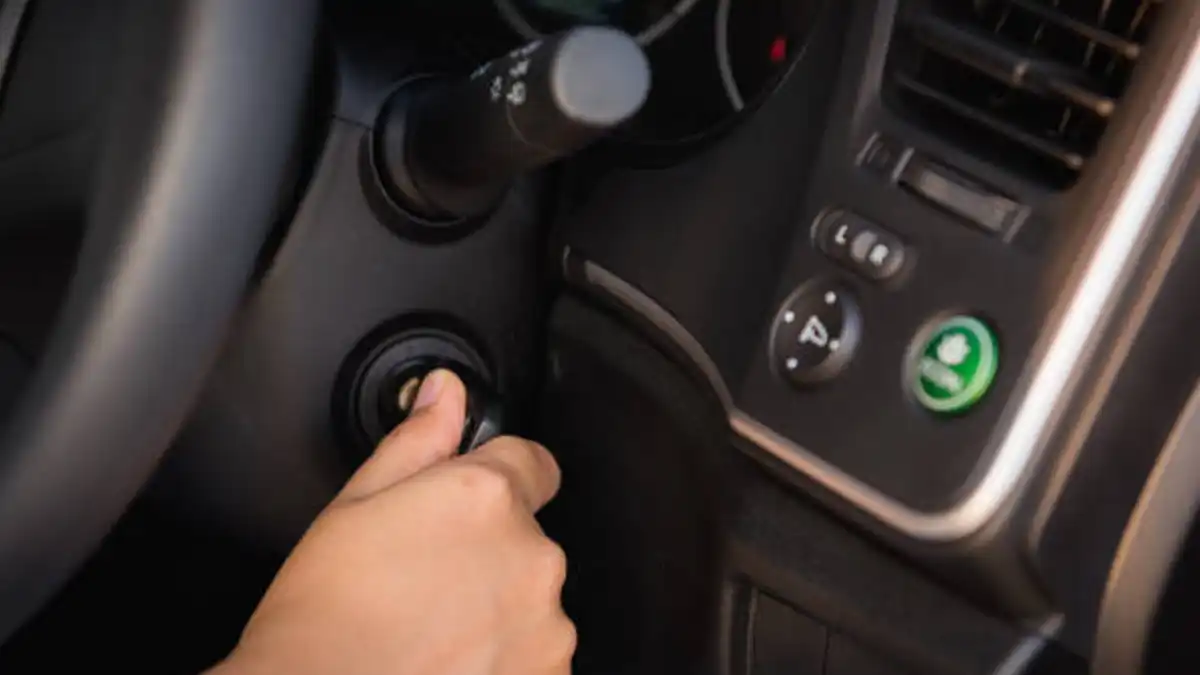
Many car owners face the frustrating problem of a key that won’t turn in the ignition. This issue occurs when the key fails to engage the vehicle’s ignition switch system properly, preventing the engine from starting. Often, the problem is not with the key itself but with the internal components of the ignition system, such as worn-out tumblers, debris inside the key slot, or a malfunctioning ignition cylinder. Ignition problems can happen unexpectedly, leaving drivers stranded and unable to start their vehicles, which can be especially inconvenient during emergencies.
Another common cause of a key not turning is the steering wheel locking mechanism. In many cases, the steering wheel may lock or get stuck in its locked position, which also prevents the key from turning. This is a safety feature designed to prevent theft, but when it malfunctions, it can make driving impossible. Understanding these common causes and solutions can help car owners address ignition problems quickly and avoid unnecessary towing or expensive repairs.
Car Key Won’t Turn in Ignition – Common Causes
Many drivers experience the frustration of a key that won’t turn in the ignition. This issue can prevent your vehicle from starting, leaving you stranded and unsure of the cause. There are several reasons why this problem occurs, and identifying the root cause is the first step toward a solution. In this post, we’ll explore the main reasons your car key may not turn in the ignition and provide guidance on how to fix each issue.
#1. Bent or Worn Key
Over time, constant use can cause your vehicle’s ignition key to bend or wear down. A worn or bent key may fail to engage properly with the ignition lock’s teeth, preventing it from turning. If your key shows visible signs of wear or doesn’t fit smoothly, it may be time to replace it to avoid further damage to the ignition cylinder.
#2. Dirt or Debris in the Ignition Switch
Ignition switches can accumulate dirt, dust, or small debris over time, especially in older vehicles. This buildup can jam the ignition lock, causing the key to stick or refuse to turn. Even small metal shavings from a worn key rubbing against the lock can interfere with proper operation. Cleaning the ignition cylinder carefully or using compressed air can sometimes resolve this issue.
#3. Lack of Lubrication
A dry or rusty ignition lock can prevent smooth key operation. Moisture or debris entering the ignition switch may lead to rust, while the lack of lubrication between the lock and key teeth makes turning the key difficult. Using a graphite-based lubricant can help restore smooth movement without causing damage.
#4. Ignition Switch Lock Failure
The ignition lock cylinder has teeth that correspond to the key, allowing only the correct key to turn the ignition. Over time, the cylinder teeth may wear out or develop internal defects. When this happens, even the correct key may fail to turn, leaving the ignition inoperable. In such cases, the cylinder may need professional repair or replacement.
#5. Steering Lock Engaged
Most vehicles have a steering wheel lock as a safety feature. If the steering wheel is turned after the key is removed, the lock can engage, which may prevent the key from turning. Attempting to force the key in this position can damage both the ignition and the key. Gently moving the steering wheel back and forth while turning the key usually resolves the problem.
#6. Mismatched Key
Sometimes a key that doesn’t belong to the ignition is accidentally used. A mismatched key will either not fit or, if it does, it won’t turn because the teeth don’t match the ignition cylinder. Always double-check that you are using the correct key to prevent unnecessary damage.
#7. Gear Shifter Not in Neutral or Park
In automatic transmission vehicles, the ignition key may not turn unless the gear shifter is in the Park or Neutral position. This safety feature prevents the vehicle from accidentally starting while in gear. Make sure the shifter is fully in Park or Neutral before attempting to turn the key.
How to Fix an Ignition Key That Won’t Turn
If your car key won’t turn in the ignition, it can be stressful and prevent you from using your vehicle. Fortunately, many causes are simple and fixable without expensive repairs. The steps below provide practical solutions to help you diagnose and resolve the problem safely.
#1. Check the Key
- Analysis: A key that is bent, worn, or damaged can fail to properly engage the ignition cylinder. Over time, keys get scratches, rounded edges, or minor bends from daily use, making it difficult for the ignition pins to align with the key teeth.
- Solution: Inspect the key closely for visible damage. If it appears worn or bent, it’s best to replace it with an original spare or a manufacturer-approved key. Avoid forcing a damaged key into the ignition, as this can damage the ignition cylinder and lead to costly repairs.
#2. Lubricate the Ignition
- Analysis: Ignition cylinders can become stiff due to lack of lubrication, accumulation of dust, or minor rust from moisture exposure. A dry or dirty cylinder can prevent the key from turning, even if the key itself is fine.
- Solution: Use a graphite-based lubricant specifically designed for locks. Insert the key and slowly turn it back and forth to allow the lubricant to penetrate the mechanism. Avoid oil-based sprays, which can attract more dirt and worsen the problem over time. Regular maintenance can prevent stiffness before it becomes a serious issue.
#3. Unlock the Steering Wheel Lock
- Analysis: Many vehicles have a built-in steering wheel lock to prevent theft. If the steering wheel moves after removing the key, it can lock the ignition cylinder, making it impossible for the key to turn.
- Solution: Gently wiggle the steering wheel while attempting to turn the key. This relieves tension in the lock mechanism. Never use excessive force, as forcing the key or steering wheel can damage both the ignition cylinder and the key itself.
#4. Check for Battery and Electrical Problems
- Analysis:- Electrical problems, like a weak or dead battery, can sometimes prevent the ignition from functioning correctly. Modern vehicles with electronic ignition systems rely on sufficient power to allow the key to turn fully.
- Solution:- Check that the battery is fully charged and connections are clean and secure. If the battery is healthy but the key still won’t turn, consult a professional to inspect wiring or the ignition system for faults. Ignoring this could lead to more serious electrical issues.
#5. Inspect the Ignition Switch
- Analysis:- The ignition switch or cylinder itself may be worn or faulty. Over time, the internal pins, tumblers, or springs can degrade, preventing smooth key operation even with a perfectly good key.
- Solution:- If the key remains stuck after checking other factors, a qualified mechanic or locksmith should inspect the ignition cylinder. Replacing a worn or damaged switch is often more cost-effective than repairing extensive damage caused by forcing the key.
#6. Move the Gear Shifter Lever
- Analysis: In automatic transmission vehicles, the ignition key is designed to turn only when the gear shifter is fully in Park (P) or Neutral (N) for safety reasons. Even a slightly misaligned gear lever can prevent key rotation.
- Solution: Verify the shifter is fully in Park or Neutral. Press the brake pedal and gently shift the lever, then try turning the key. This simple adjustment often resolves the issue without professional help.
What to Do When Your Key Won’t Turn in the Ignition?
If your car key won’t turn in the ignition, don’t panic—this is a common problem that can often be fixed with simple troubleshooting. The first step is to check whether the steering wheel is locked. Gently turn the steering wheel left and right while simultaneously trying to turn the key. Tension from a locked steering wheel is one of the most common reasons a key won’t turn.
Next, ensure the vehicle is in the correct gear. For automatic transmissions, the gear lever must be fully in Park (P) or Neutral (N), while for manual transmissions, the clutch should be fully engaged. Sometimes the ignition system is designed not to allow the key to turn unless these conditions are met as a safety measure.
If the key still won’t turn, the ignition cylinder may need lubrication. Apply a small amount of graphite-based lubricant to the key and insert it into the ignition, turning it gently back and forth. Avoid oil-based lubricants, which can attract dirt and make the problem worse.
If none of these methods work, the issue may be a worn or damaged key, a faulty ignition cylinder, or a problem with the steering lock. In such cases, it’s best to contact a professional locksmith or certified mechanic to diagnose and repair the problem safely. Attempting to force the key can cause permanent damage to the ignition system.
Steering Wheel Is Not Locked But Key Is Not Turning
Even if your steering wheel is not visibly locked, it can still exert pressure on the ignition lock, making it difficult for the key to turn. This often happens when the wheels are slightly turned after parking, creating tension inside the ignition cylinder. To relieve this pressure, gently move the steering wheel left and right while slowly turning the key in the ignition. This can help the internal pins of the ignition cylinder align properly and allow the key to turn smoothly.
If the key still won’t turn after trying this method, the problem may be more serious. A worn or damaged ignition cylinder or a bent key can prevent normal operation, even when the steering wheel isn’t locked. For safety and to avoid causing further damage, it’s best to contact a professional mechanic or licensed locksmith. They can diagnose whether the issue lies with the key, the ignition cylinder, or another component of the steering and ignition system, and provide a reliable repair solution.
Steering Wheel Is Locked And Key Won’t Turn
If your steering wheel is locked and the key won’t turn, this is often caused by the steering wheel locking mechanism engaging when the wheel is turned too far to one side. This safety feature prevents theft but can also make it difficult to start the car if tension builds in the ignition lock.
How to Fix It:
- Move the Steering Wheel: Gently turn the steering wheel left and right while trying to turn the key. This relieves pressure on the ignition cylinder and often allows the key to turn.
- Check Gear Position: For vehicles with automatic transmission, make sure the car is fully in Park (P). The key may not turn if the gear lever isn’t properly engaged.
- Inspect the Key: Examine your key for signs of wear, bending, or damage. Using a spare key can sometimes solve the problem if the original key is worn.
- Lubricate the Ignition Cylinder: Apply a small amount of graphite-based lubricant to the key and insert it into the ignition. Avoid oil-based lubricants, as they can attract dirt and worsen the problem.
- Check the Battery: A weak or dead battery can occasionally prevent the key from turning, especially in vehicles with electronic ignition systems. Ensure the battery is fully charged and properly connected.
- Seek Professional Help if Needed: If none of these steps work, the ignition cylinder or steering lock mechanism may be damaged. Contact a professional mechanic or locksmith for diagnosis and repair to prevent further damage.
Conclusion
If your car key won’t turn in the ignition, it often indicates underlying issues such as a locked steering wheel, a faulty gear shifter, or a worn or mismatched key. These problems can prevent the ignition from engaging properly and may leave you unable to start your vehicle.
In many cases, simple solutions can resolve the issue. Gently turning the steering wheel while trying the key, ensuring the gear shifter is in Park or Neutral, or using a spare key can often get your ignition working again. However, if these steps don’t work, the problem may be more serious.
A worn or damaged ignition cylinder, electrical issues, or a weak battery could be the cause, requiring professional inspection to prevent further damage. Regular key maintenance, careful handling, and periodic inspection of the ignition system can help prevent these problems before they occur, ensuring your vehicle starts smoothly every time.
FAQs
Here are some FAQs that can help you understand why your car key won’t turn in the ignition and how to fix it:
Q. Why is my car key stuck in the ignition?
A. Your key may be stuck due to a locked steering wheel, worn or bent key, debris in the ignition cylinder, a faulty ignition switch, or incorrect gear position in automatic or manual vehicles.
Q. How do I turn a car key if it won’t move?
A. Gently wiggle the steering wheel left and right while turning the key, ensure the car is in Park (P) or Neutral (N), use a spare key if available, and apply a small amount of graphite lubricant to the ignition cylinder if needed.
Q. Can a bent or worn key prevent the ignition from turning?
A. Yes. Over time, a bent or worn key may fail to properly engage the ignition pins, making it difficult or impossible to turn the key. Replacing the key can solve this problem.
Q. What should I do if my car key won’t turn in an automatic transmission?
A. Check that the gear lever is fully in Park or Neutral. The ignition system is designed not to allow the key to turn unless the gear is correctly positioned for safety reasons.
Q. Can a weak car battery prevent the key from turning?
A. In vehicles with electronic ignition systems, a weak or dead battery can sometimes prevent the key from turning. Make sure the battery is fully charged and connections are secure.
Q. Will using a spare key help if the ignition key won’t turn?
A. Yes. A spare key can bypass problems caused by a worn or damaged original key, allowing the ignition to turn smoothly.
Q. When should I call a professional if my key won’t turn?
A. If gentle steering adjustments, lubrication, and using a spare key don’t work, the ignition cylinder or steering lock may be damaged. Contact a professional mechanic or licensed locksmith to avoid further damage.