
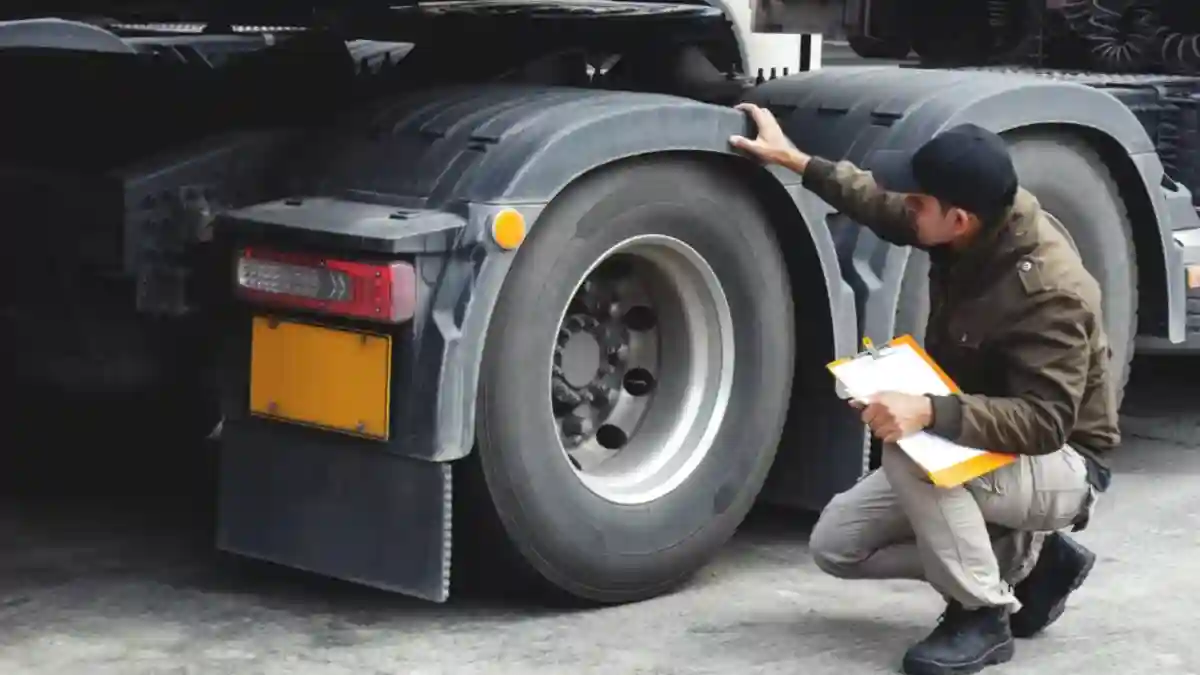
Operating a semi-truck is a serious responsibility. Each mile traveled carries potential risks if the vehicle is not thoroughly checked beforehand. That’s why following a pre trip inspection checklist CDL is essential for every commercial driver, whether you’re preparing for your CDL exam or embarking on a long-haul journey.
Conducting a detailed pre-trip inspection helps ensure your truck meets DOT safety standards, prevents unexpected mechanical issues, safeguards your cargo, and protects everyone on the road. This guide walks you through a complete pre trip inspection checklist CDL, offering practical tips, examples from real-world trucking, and expert advice to help you perform inspections confidently and effectively.
What is a CDL Pre-Trip Inspection Checklist?
A CDL pre-trip inspection checklist is a step-by-step guide that commercial truck drivers follow to inspect their vehicle before driving. It covers critical areas such as the cab, engine, brakes, tires, lights, trailer, and safety equipment to ensure the truck is safe, roadworthy, and compliant with DOT regulations.
Performing this inspection helps prevent accidents, mechanical failures, and legal issues while protecting cargo and everyone on the road.
Why a Pre Trip Inspection Checklist CDL Is Important
A pre trip inspection checklist CDL is more than just a formality. Semi-trucks are large, complex machines, and even small mechanical issues can become dangerous if unnoticed. DOT regulations require every commercial driver to conduct a pre-trip inspection to ensure the vehicle is roadworthy and compliant.
- Preventing accidents caused by faulty brakes, worn tires, or loose parts
- Avoiding DOT fines and compliance violations
- Reducing the risk of breakdowns during trips
- Protecting cargo from damage due to improperly secured loads
- Enhancing professionalism as a CDL driver
Real-life example: A tire blowout can be catastrophic. By following a pre trip inspection checklist CDL, drivers can identify worn or underinflated tires before they cause an accident.
CDL Pre-Trip Inspection Checklist
Driving a commercial truck requires a thorough pre-trip inspection to ensure safety, prevent mechanical failure, and maintain DOT compliance. This checklist is divided into logical sections covering cab, engine, brakes, tires, trailer, suspension, and documentation.
#1. Cab and Interior Inspection
Start inside the cab to ensure all controls, instruments, and safety equipment function properly.
- Safety Equipment: Check seatbelts, fire extinguisher, reflective triangles, and first aid kit. Items should be accessible, charged, and in good condition.
- Gauges & Controls: Turn ignition on; verify all dashboard lights illuminate. Start the engine and confirm readings for oil pressure, coolant temperature, fuel level, and air pressure.
- Functionality Check: Test horn, windshield wipers, defroster, heater, and ABS indicator lights.
- Cab Features: Ensure doors and windows operate smoothly. Check mirrors for cracks or looseness. Verify steps, battery box, DEF cap, and fuel cap are secure.
Pro Tip: Knowing your cab inside out can help in emergencies and is often tested during the CDL exam.
#2. Engine Compartment Inspection
A detailed inspection here prevents breakdowns and ensures proper engine operation.
- Fluids: Check engine oil, coolant, brake fluid, power steering, and washer fluid. Look for leaks or low levels.
- Belts & Hoses: Inspect for cracks, fraying, looseness, or bulges. Ensure all clamps are tight.
- Electrical & Air Systems: Inspect alternator, wiring, air compressor, and hoses. All connections should be secure.
- Engine Components: Check turbocharger, radiator, water pump, fuel/water separator, and power steering reservoir. Ensure no leaks, cracks, or loose mounts.
- Oil & Coolant Caps: Secure and intact; coolant reservoir at proper level.
Tip: Even small leaks or frayed belts can lead to engine failure. Detecting issues early avoids expensive repairs.
#3. Front of Vehicle Inspection
- Lights & Reflectors: Headlights, fog lights, and turn signals clean and operational. Reflectors intact.
- Suspension & Frame: Check for damage, wear, or unusual lean.
- Brakes: Drum and lining should have no cracks. Slack adjusters, pushrods, and air lines secure.
#4. Side Walk-Around Inspection
- Tires: Look for abrasions, bulges, or cuts. Check air pressure (Front: 120 PSI, Rear: 110 PSI). Tread depth: Front ≥4/32”, Rear ≥2/32”.
- Wheels & Lug Nuts: No cracks or bends. Lug nuts should be tight, with no shiny streaks.
- Brakes & Air Lines: Inspect brake chambers, slack adjusters, hoses. Ensure air lines are free of bulges or leaks.
- Lights & Reflectors: Side marker lights and reflectors must be operational.
#5. Driver-Side Engine and Steering
- Steering Components: Pitman arm, drag link, steering gearbox, and shaft secure. Cotter pins and castle nuts intact.
- Power Steering & Fuel Systems: Fluid at proper level; components mounted securely.
- Engine Ductwork & Caps: No damage or loose clamps. Oil and fuel caps secure.
- Radiator & Water Pump: Mounted properly; no leaks or cracks.
#6. Suspension Inspection
- Suspension ensures a smooth, safe ride and proper load handling
- Steer Axle Suspension: U-bolts, leaf springs, tie rods, and shocks secure; no cracks or leaks.
- Rear Suspension: Springs, airbags, shocks, and axles intact. U-bolts tight; no damage or shifting.
#7. Fifth Wheel and Trailer Coupling
- Fifth Wheel: Properly greased and locked.
- Kingpin & Slider Rail: Secure; no broken welds.
- Release Arm & Slider Lock Pins: Straight and engaged.
#8. Trailer Inspection
- Front of Trailer: Clearance lights operational, registration present, air/electric lines secured, PM sticker current.
- Sides: Panels undamaged, lights operational, landing gear secured, reflector tape intact.
- Rear: Doors, latches, hinges secure; lights, splash guards, bumper intact.
- Tires: No cuts or bulges; proper air pressure; tread depth legal.
#9. Trailer Suspension and Brakes
- Air Lines & Fittings: Secure, free of rubbing, no cuts.
- Axles & Springs: Not bent or broken; U-bolts tight.
- Slack Adjusters & Brakes: Adjusters at correct angle, brake linings ≥¼ inch, drums intact.
#10. Driveshaft and Rear Frame
- Driveshaft & Universal Joints: No cracks; bolts secure.
- Differential & Frame: No leaks; frame straight; no unauthorized welds.
#11. Gauges and Monitoring
- Fuel: Matches visual tank level.
- DEF Level: At least one light bar.
- Oil Pressure: 25–50 PSI.
- Air Pressure: 90–120 PSI.
- Speedometer & Tachometer: Operational and accurate.
#12. Documentation and Legal Compliance
Always verify paperwork before departure:
- CDL license and endorsements valid.
- Vehicle registration and insurance present.
- Bill of lading and DOT inspection reports up-to-date.
- Fuel permits and stickers current.
Common Mistakes to Avoid During Your CDL Pre-Trip Inspection
Even seasoned truck drivers can make errors during a pre-trip inspection. These mistakes not only increase the risk of accidents but can also cause mechanical failures, cargo damage, and DOT violations. Recognizing and avoiding these pitfalls ensures a safer trip and a smoother CDL exam experience.
#1. Skipping Interior Cab Checks
- The cab is the driver’s command center, yet some drivers overlook it. Failing to check seatbelts, mirrors, dashboard gauges, and emergency equipment can create hazards. For example, a malfunctioning horn or non-working windshield wipers can become dangerous in emergencies or adverse weather.
- Tip: Always start inside the cab—verify that seatbelts latch properly, mirrors are clean and secure, dashboard lights work, and emergency items like fire extinguishers and triangles are accessible.
#2. Ignoring Low Fluid Levels or Leaks
- Fluids are the lifeblood of your truck. Skipping checks on engine oil, coolant, brake fluid, or power steering can lead to engine overheating, brake failure, or steering issues. Even small leaks can escalate into expensive repairs or roadside breakdowns.
- Example: A driver ignored a slow coolant leak. Midway through a long-haul trip, the engine overheated, causing significant downtime and costly repairs.
- Tip: Always inspect fluid reservoirs, hoses, and connections. Look for discoloration, stains, or puddles under the truck. Correct levels prevent unexpected breakdowns.
#3. Neglecting Trailer Connections
- Improperly connected trailers are a leading cause of accidents and cargo damage. Drivers sometimes forget to check the fifth wheel, kingpin, glad hands, or electrical plugs. A loose connection can result in trailer sway, brake failure, or even detachment.
- Example: A driver failed to properly lock the fifth wheel. The trailer detached at low speed, causing minor property damage but highlighting the risk.
- Tip: Confirm that all couplings are secure, locking jaws are engaged, electrical connections are intact, and air lines are connected without leaks.
#4. Overlooking Lights and Reflectors
- Lights and reflectors are essential for visibility. Broken bulbs, dirty lenses, or missing reflectors reduce safety, especially at night or during bad weather. DOT inspectors often cite trucks for faulty lighting, which can lead to fines.
- Example: A truck with a broken side marker light was pulled over at night, creating a safety hazard on the highway. The driver faced a DOT citation.
- Tip: Walk around the vehicle and check every light and reflector—headlights, brake lights, turn signals, clearance lights, and side markers. Replace any broken or missing components before departure.
#5. Rushing Through the Inspection
- Time pressure can tempt drivers to rush through the pre-trip inspection. This often leads to missed defects like worn brake linings, loose lug nuts, or leaking hoses. These overlooked issues can result in mechanical failure or accidents on the road.
- Example: A driver skipped a tire inspection to save time. During the trip, a rear tire failed due to worn tread, causing a flat and delaying delivery.
- Tip: Allocate enough time to complete the checklist carefully. Use a methodical approach, inspecting each area systematically. Double-check critical items like brakes, tires, and trailer connections.
#6. Not Documenting Issues
- Some drivers notice minor defects but fail to record or report them. Unreported issues can worsen over time, resulting in larger repairs or safety hazards.
- Tip: Keep a log of any defects and maintenance requests. This creates accountability and ensures the vehicle is safe for the next trip.
Conclusion
The CDL pre-trip inspection includes 1. cab/interior inspection, 2. engine compartment check, 3. front-end inspection, 4. side walk-around inspection, 5. trailer and coupling inspection, 6. brake system inspection, 7. tire and wheel check, 8. suspension and steering inspection, 9. light and reflector check, 10. trailer load and security check, 11. gauge and dashboard verification, 12. documentation and other safety equipment checks.
A thorough CDL pre-trip inspection is more than just a regulatory requirement—it’s a vital step in ensuring safety, vehicle reliability, and compliance on every trip. Skipping checks or rushing the process can result in accidents, mechanical failure, cargo damage, and DOT violations.
FAQ’s
Here are some frequently asked questions to guide you through CDL pre-trip inspections, helping you understand the process, avoid common mistakes, and ensure your truck is safe and road-ready before every trip.
Q. What is a CDL pre-trip inspection?
A CDL pre-trip inspection is a systematic check of a commercial vehicle’s systems, components, and safety equipment to ensure it is safe, operational, and compliant with DOT regulations before driving.
Q. How long does a CDL pre-trip inspection take?
For most drivers, a thorough pre-trip inspection takes 20–45 minutes, depending on vehicle type, trailer, and experience level.
Q. What areas are included in a CDL pre-trip inspection?
Typical areas include cab/interior, engine compartment, brakes, tires, lights and reflectors, trailer coupling, suspension, and safety equipment.
Q. Why is a CDL pre-trip inspection important?
It helps prevent accidents, mechanical breakdowns, cargo damage, and DOT violations, while ensuring driver and road safety.
Q. Can I fail my CDL exam if I miss items during the pre-trip inspection?
Yes, missing critical components or safety checks during the CDL pre-trip portion can result in an automatic failure of that part of the exam.
Q. How often should CDL drivers perform a pre-trip inspection?
A pre-trip inspection should be done before every trip, regardless of distance, to ensure the vehicle is safe and roadworthy.
Q. Are there tools needed for a CDL pre-trip inspection?
Mostly no special tools are required, but some drivers use tire pressure gauges, flashlights, or gloves to make inspections easier and more accurate.
Q. What are common mistakes to avoid during a CDL pre-trip inspection?
Common mistakes include skipping cab checks, ignoring fluid levels, rushing inspections, overlooking trailer connections, and not testing lights or brakes properly.