
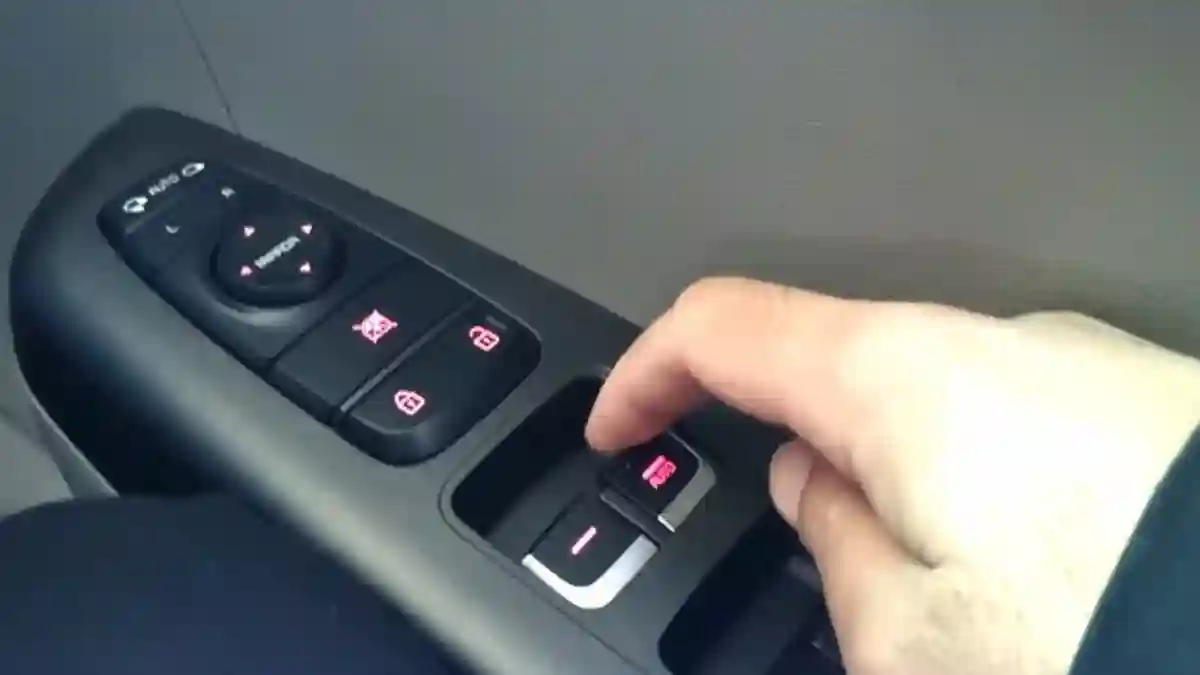
Power windows are a standard convenience in modern vehicles, allowing drivers and passengers to raise or lower windows at the push of a button. These systems rely on a combination of electrical and mechanical components, such as motors, regulators, and switches, to operate smoothly. Over time, these parts can wear out, leading to common problems like windows getting stuck, moving slowly, or not working at all.
Understanding the common causes of power window malfunctions and knowing how to fix them—can save you time, frustration, and costly repairs. Whether it’s a faulty motor, a broken regulator, or a simple switch issue, identifying the problem early can keep your windows working reliably and ensure a safer, more comfortable driving experience.
Power Window Not Working – Causes
If your power windows are not working, the common causes could include: a dead battery, faulty wiring, a defective window switch, a blown fuse, a failed window motor, or a broken window regulator. Each of these issues can prevent your windows from functioning properly and may also impact other electrical systems within your vehicle.
Understanding why your power windows are not working is the first step in diagnosing the problem. By identifying the potential causes, you can determine whether the issue is electrical or mechanical and take the necessary steps to restore your windows to proper working order.
#1. Blown Power Window Fuse
A blown fuse is one of the simplest and most common causes of a power window not working. Fuses protect the vehicle’s electrical system by cutting off power when there is a surge or short circuit. When the fuse for a power window blows, it interrupts the flow of electricity to the motor and prevents the window from operating.
Blown fuses can occur due to old wiring, temporary electrical surges, or repeated use of the window in a short period. This is often an overlooked cause because it doesn’t damage other components, yet it can completely stop the window from moving. Checking the fuse is usually one of the first steps in diagnosing a non-working power window.
#2. Damaged Wiring
Wiring problems are another major reason a power window is not working. Over time, wires can become frayed, bent, or even chewed by rodents, especially in older vehicles or cars parked in open areas. Damaged wires disrupt the electrical current needed to operate the window motor.
In addition to stopping the window, damaged wiring can sometimes cause intermittent movement or unusual sounds when trying to operate the window. Wiring issues are often hard to spot without careful inspection, but they are a frequent cause of power window failures and electrical problems in the door panel.
#3. Faulty Power Window Regulator
The regulator is the mechanical part that moves the window glass up and down. When it fails, even a working motor cannot move the glass, resulting in a power window not working. Regulators can wear out over time, become jammed, or develop rust that prevents smooth movement.
Broken regulators often produce unusual noises, like grinding or clicking, when the motor tries to operate. This makes it clear that the problem is mechanical rather than electrical. A damaged regulator is one of the most common causes of a window getting stuck or moving unevenly.
#4. Malfunctioning Control Module
The power window control module is like the brain of the system, sending signals from the switch to the motor. When it fails, the motor may not receive power, causing a power window not working issue even if the switch and motor are fine.
Control modules can fail due to electrical faults, short circuits, or general wear and tear over time. Problems with the module can sometimes affect multiple windows at once, and are often subtle, making them one of the less obvious but frequent causes of power window failure.
#5. Broken Window Switch
Window switches are used daily and can wear out over time. If the switch is broken, corroded, or exposed to moisture, the power window may not work at all, or may operate intermittently.
Drivers often notice that a window works from one switch but not another. This is a clear sign that the switch is failing. Switch issues are more common in older vehicles, but they remain one of the most frequent causes of power window problems across all models.
#6. Extreme Cold Weather
Cold temperatures can temporarily cause a power window not working problem. Lubricants inside the window mechanism can thicken, metal parts contract, and moisture around window seals can freeze, making the window stick.
This environmental factor often results in slow-moving windows or windows that appear completely stuck until the temperature rises. Cold weather is a temporary but common reason for power window failures, especially in regions with freezing winters.
#7. Faulty Central Lock System
Many vehicles integrate the power window with the central locking system, allowing remote operation from the key fob. If the central locking module fails, it can interfere with the operation of the windows.
When this happens, a power window may not work even when using the door switch. Central lock issues are often overlooked because other windows may function normally, making diagnosis more challenging for the average driver.
#8. Bad Power Window Relay
The power window relay controls electricity from the battery to the motor. If the relay fails, it can cut off power completely, leading to a power window not working scenario.
Faulty relays can also cause intermittent problems, where the window works sometimes and stops at other times. This makes the relay one of the key electrical components to check when diagnosing window problems.
#9. Weak or Dead Battery
The car’s 12V battery powers all electrical components, including power windows. If the battery is weak or discharged, the window may move slowly, respond intermittently, or stop completely, causing a power window not working issue.
A fully dead battery will prevent all electrical systems from operating, including the windows. Battery issues are often the underlying cause of multiple electrical failures, making it an important factor to check when troubleshooting.
How To Check and Fix Power Window Not Working?
To fix power window, you must first inspect the cause of the window problem to determine which part of the power window is causing the problem or which part is bad.
- Inspect The Battery: First of all, you should inspect the battery of your vehicle. If the battery is weak or drained, recharge the battery or replace the battery with a new battery.
- Check The Fuse: Check the fuse of the power window in the fuse box. If the power window fuse is blown, replace it with a new one. Because the reason for the power window not working may be a blown fuse.
- Check The Wiring: Check the wiring of the power window. If you find a problem with the wiring, fix the wiring.
- Test The Control Switches: Check the power window control switch. If you find a problem with the power window control switch, replace the power window control switch with a new one.
- Check The Power Window Relay: A bad power window relay can also be a reason for the power window not working, in such a case you should also get the relay checked.
- Assess The Window Regulator: If your car’s power window is stuck in one place, check the power window regulator for broken or jammed. In such a case, get the power window regulator repaired or replaced.
- Assess The Window Motor: If the motor is not getting power, the power window control module may be faulty. Repair or replace the control module if needed.
- Check The Module: Finally, check the power window control module. If the power window control module is not giving output to the power window motor, get the power window control module repaired or replaced with a new one.
Power Window On Driver Side Not Working
If the driver-side power window isn’t working, it could be due to several common issues. Some of the most frequent causes include a blown fuse, a faulty window switch, damaged wiring, or a malfunctioning window motor. Any of these problems can prevent the window from moving smoothly or stop it from operating entirely.
To troubleshoot the problem, start by checking the fuses associated with the power window system. If the fuses are intact, inspect the driver-side window switch for signs of wear, damage, or corrosion. Then, examine the wiring inside the door, paying close attention to areas where the door opens and closes, as these sections are prone to fraying or loose connections.
If the fuses, switch, and wiring are all functioning properly, the issue may lie with the window motor, regulator, or modulator. In this situation, it’s best to consult a professional mechanic to accurately diagnose and repair the problem, ensuring the power window operates safely and reliably.
Preventing Future Power Window Problems
To prevent future power window problems, consider the following preventive measures:
- Regular Maintenance- Periodically inspect and clean the window tracks to ensure smooth operation. Lubricate moving parts to reduce wear.
- Avoid Forcing Opening the Window- In cold weather, ensure the window is not frozen before operation. Forcing open a frozen window can damage the motor and regulator.
- Monitor Electrical Components- Regularly inspect the power window switches and wiring for signs of wear or damage. Resolve any problems promptly to prevent further complications.
- Protect from Extreme Temperatures – Whenever possible, park your vehicle in a garage or shaded area to minimize exposure to extreme heat or cold, which can affect motors, lubricants, and seals.
- Professional Inspections – Schedule periodic checks with a qualified mechanic to catch small issues before they become costly repairs.
By implementing these practices, you can increase the longevity and reliability of your vehicle’s power windows.
Signs That a Repair is Needed
Power windows don’t always fail suddenly. Often, there are early warning signs that can help you spot potential problems before they become serious. Here are a few indicators that your power window may need attention:
- Slow Window Movement – If the window is moving slower than usual, it could indicate that the motor, regulator, or lubricants need maintenance.
- Grinding or Squeaking Noises – Unusual noises like grinding, squeaking, or popping sounds are often a sign of wear in the window regulator or motor, suggesting the need for lubrication or replacement.
- Window Sticking or Getting Stuck – If the window stops midway or becomes difficult to raise or lower, it could be due to a jammed regulator, faulty motor, or debris in the tracks.
- Loose or Unresponsive Switches – If the window switch feels loose, unresponsive, or doesn’t click as it should, the issue may be a worn-out switch or faulty wiring.
If you notice any of these signs, addressing them early can help prevent more costly repairs down the line. It’s a good idea to troubleshoot the problem or consult a mechanic as soon as possible.
Cost of Power Window Repairs
The cost to fix a power window depends on the component that’s failing and whether you do it yourself or use a professional mechanic:
- Blown Fuse – Usually $5–$20; replacement is simple and often DIY-friendly.
- Window Switch Replacement – $50–$200 depending on the car model and whether it’s driver-side or passenger-side.
- Window Motor Replacement – $100–$400 for parts and labor, depending on the vehicle.
- Regulator Replacement – $150–$500; sometimes combined with motor replacement.
- Wiring Repair – $50–$250 depending on the extent of damage.
- Control Module/Relay Replacement – $150–$600, usually requires a professional.
- Battery Replacement – $100–$250 for a standard car battery.
Tip: DIY repairs can save money but require caution. Electrical components, especially motors, relays, and control modules, are delicate and can be damaged if handled incorrectly.
Related Problems That Can Affect Your Power Window
Sometimes, a power window not working isn’t caused by the window system itself. Other connected systems in your vehicle can indirectly impact window operation. Understanding these related problems can help diagnose the issue faster.
- Central Locking Issues – Many modern vehicles integrate the power windows with the central locking system. If the locks malfunction, your windows may stop responding to the driver’s master switch or key fob. This is a common underlying cause when one or more windows fail unexpectedly.
- Car Alarm Integration – Some cars tie the window operation to the alarm system for security purposes. A fault in the alarm module or its sensors can prevent windows from moving properly, leading to a power window not working scenario even if the motor and switches are fine.
- Electrical System Health – The overall health of your car’s electrical system affects the power windows. Weak batteries, corroded wiring, or failing relays can all contribute to intermittent or complete window failure. Diagnosing these issues often requires checking multiple components, as a minor electrical problem in one system can ripple through to the windows.
Preventive Tips to Keep Your Power Window Working
- Keep Window Tracks and Seals Clean – Dirt and debris in the tracks can strain the motor and regulator. Wipe tracks regularly and use a silicone-based lubricant for smooth operation.
- Avoid Forcing Stuck Windows – Pushing or pulling a stuck window can damage the motor, regulator, or glass. Always check for blockages or frozen seals before applying force.
- Limit Excessive Use in Extreme Conditions – Cold weather can freeze lubricants and seals; extreme heat can warp components. Avoid repeated operation in extreme temperatures to prevent strain.
- Inspect Electrical Connections Periodically – Loose, corroded, or damaged wires can cause a power window not working issue. Check switches and connectors regularly to ensure proper electrical flow.
- Treat Switches Gently – Power window switches can wear out from heavy use or exposure to moisture. Press switches lightly and avoid spills to extend their lifespan.
- Address Small Issues Early – Slow-moving windows, unusual noises, or hesitation are warning signs. Early inspection can prevent complete failure and costly repairs.
- Regular Maintenance Saves Money – Consistent care of tracks, switches, and seals reduces wear and tear, preventing common causes of a power window not working.
FAQs
Below you will find some frequently asked questions related to power window not working. The answers to which are given in this article? We hope it will prove helpful to the readers.
Q. Can a blown fuse cause the power window not to work?
Yes, a blown fuse can break the power supply circuit, causing the power window to stop functioning. Replacing the fuse is an easy and inexpensive fix for this issue.
Q. Does every power window have its own fuse?
No, all the power window motors in a vehicle are typically connected to the same fuse, relay, and control module. They all work on the same electrical circuit, which means a problem with one fuse or relay can affect the operation of all windows.
Q. Can you lift the power window manually?
Manually lifting a power window is not recommended, as it can be risky. Forcefully raising the window may cause the glass to break, and using your bare hands could lead to injury. It’s best to rely on the window motor to avoid damage or harm.
Q. How much does it cost to replace a power window switch?
Replacing a power window switch typically costs between $50 and $200, depending on the vehicle make and model. Labor costs may add to the total, especially if the switch is located in a hard-to-reach area.
Q. Why is only one power window not working?
If only one power window isn’t working, it could be caused by a blown fuse, a faulty window switch, a damaged window motor, a broken regulator, or wiring issues. Inspecting these components one by one can help identify the problem.
Q. Can a damaged regulator be repaired, or does it need to be replaced?
A damaged window regulator generally needs to be replaced, as it’s a mechanical component that can’t be easily repaired. In some cases, minor issues may be fixable, but replacing the regulator is often the most reliable solution.
Q. Why is my power window switch working intermittently?
An intermittent power window switch could indicate wear or corrosion in the switch or its wiring. It may also point to an issue with the electrical connection, preventing consistent operation.
Q. Can a faulty power window motor affect other windows?
Typically, a faulty power window motor will only affect the specific window it controls. However, in some cases, a problem with the main control module or wiring could impact multiple windows.
Q. How long does a power window motor usually last?
A power window motor can last between 10 to 15 years or around 100,000 to 150,000 miles, depending on usage and maintenance. Proper care, like keeping tracks clean and lubricated, can extend the motor’s lifespan.
Q. Is it safe to drive with a broken power window?
While it’s not ideal, you can drive with a broken power window if it’s securely closed. However, a broken window may expose you to safety or security risks, so it’s advisable to get it fixed as soon as possible.
Q. Can a power window problem be caused by an issue with the central locking system?
Yes, a fault in the central locking system can affect the power windows, especially in vehicles where the window system is integrated with the central locking module. Repairing or resetting the central lock module can often resolve the issue.
Can a blown fuse cause the power window not to work?
Yes, a blown fuse can break the power supply circuit, causing the power window not to work.
Does every power window have its own fuse?
No, the power window assembly of any vehicle has the same fuse, relay and control module. All power window motors work on the same circuit.
Can you lift the power window manually?
Manually turning on the power window can be a risky job. Because if you lift the window glass forcefully, the power window glass may break and if you do it with your bare hands, it can be harmful to you.