
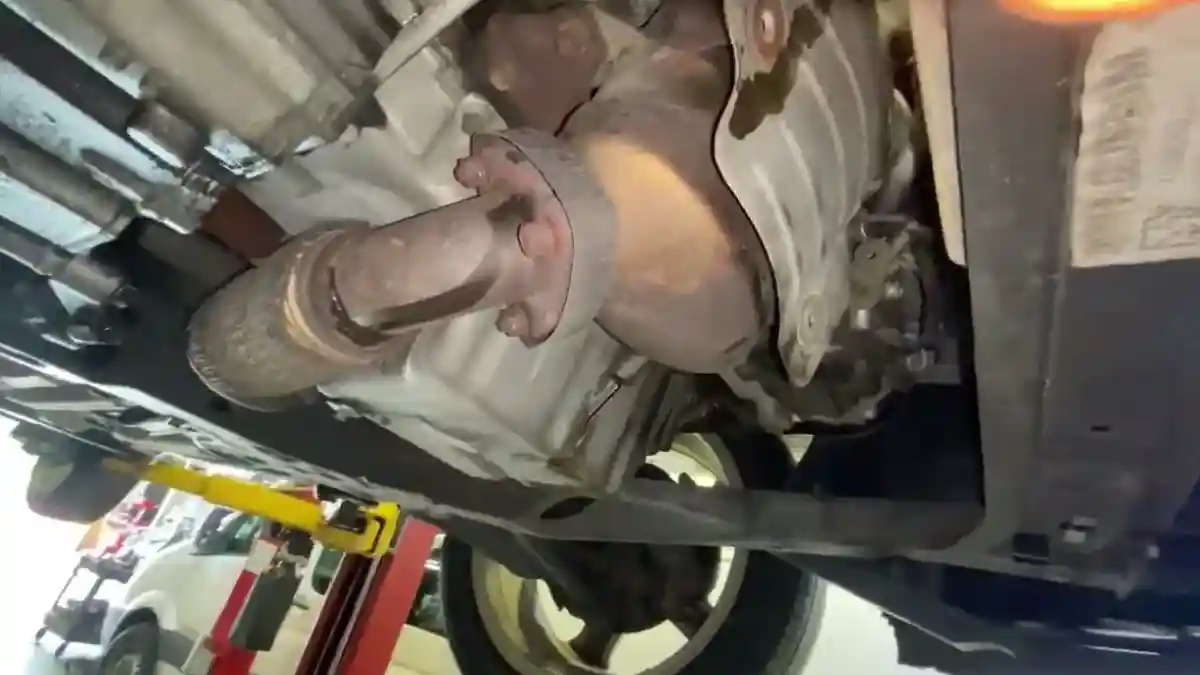
A catalytic converter plays a critical role in your vehicle’s performance, fuel efficiency, and emissions control. When it becomes clogged or dirty, it can cause serious problems such as reduced power, poor gas mileage, engine misfires, and even complete vehicle failure. Fortunately, cleaning a catalytic converter can often restore performance without the high cost of replacement.
This post will explain everything you need to know about how to clean a catalytic converter, including symptoms, causes, cleaning methods (with and without removal), products, costs, prevention tips, and when replacement is unavoidable.
What Is a Catalytic Converter?
A catalytic converter is a vital component of your vehicle’s exhaust system. It reduces harmful emissions by converting toxic gases into less harmful substances before they exit the exhaust pipe. It is typically located between the engine and the muffler and contains precious metals such as:
- Platinum
- Palladium
- Rhodium
These metals act as catalysts, initiating chemical reactions that break down toxic gases into safer substances, effectively reducing harmful emissions before they leave your car’s exhaust.
How a Catalytic Converter Works?
A catalytic converter works like a mini chemical processing plant for your car’s exhaust. As exhaust gases pass through it, chemical reactions transform harmful pollutants into safer substances before they leave the tailpipe.
Here’s what happens inside:
- Carbon monoxide (CO) → Carbon dioxide (CO₂) – A poisonous gas from incomplete fuel combustion is converted into a less harmful gas.
- Hydrocarbons (HC) → Water vapor + CO₂ – Unburned fuel in the exhaust is transformed into water and carbon dioxide.
- Nitrogen oxides (NOx) → Nitrogen + Oxygen – These pollutants, which contribute to smog and acid rain, are broken down into harmless nitrogen and oxygen.
The magic happens on the honeycomb structure inside the converter. This design maximizes surface area, giving the precious metals—platinum, palladium, and rhodium—more contact with exhaust gases to trigger reactions efficiently.
However, over time, this intricate structure can become clogged with carbon, oil, or unburned fuel, reducing its efficiency and affecting engine performance. That’s why keeping your catalytic converter clean is so important—not just for your car, but for the environment.
Why You Need to Clean a Catalytic Converter?
Over time, catalytic converters can become clogged with carbon deposits, oil residue, and unburned fuel. A dirty converter affects your car’s performance, fuel efficiency, and emissions, and if left unchecked, it can lead to costly repairs. Cleaning it regularly helps maintain your vehicle’s health and keeps it running efficiently.
- Restore engine performance – improves acceleration and responsiveness
- Improve fuel efficiency – reduces excessive fuel consumption
- Reduce emissions – ensures toxic gases are properly converted
- Prevent costly replacements – extends the life of the converter
- Avoid engine damage – prevents backpressure and potential engine problems
How to Clean a Catalytic Converter?
A catalytic converter can be cleaned in two ways: without removing it, by driving the car at higher engine temperatures or using a fuel additive to reduce buildup, or for a more thorough cleaning, by removing it. This involves safely removing the converter, washing away deposits with a degreaser and low-pressure water, drying it completely, and then reinstalling it.
In addition, we will explain both methods in detail so that you can understand the differences and choose the best way to clean your catalytic converter.
How to Clean a Catalytic Converter? (Without Removing)
Cleaning a catalytic converter without removing it is often the safest and easiest method, especially if the buildup isn’t severe. This approach avoids the labor, risk, and tools required to remove the converter, and it’s ideal for everyday car owners. There are two main ways to do this: high-temperature driving and using fuel additives.
Method 1. High-Temperature Driving
Catalytic converters work best at high temperatures, typically above 400–600°C (750–1100°F). Short trips or city driving can prevent it from reaching these temperatures, allowing carbon deposits to accumulate. To clean it naturally:
- Drive at highway speeds for at least 20–30 minutes.
- Keep engine RPM steady, usually between 2,500–3,000 RPM.
- Use quality fuel to ensure proper combustion.
This method helps burn off mild carbon buildup and can restore performance if the converter isn’t heavily clogged.
Method 2. Fuel Additives
Automotive fuel additives designed for catalytic converters are another effective method. These cleaners work by dissolving carbon deposits and other residues while the engine runs. Steps to use them:
- Pour the recommended amount of catalytic converter cleaner into a nearly empty fuel tank.
- Fill up the tank with fresh gasoline.
- Drive the vehicle normally, including some highway driving to allow the additive to work fully.
Tips for Best Results
- Always follow the manufacturer’s instructions for additives.
- Avoid using household chemicals, which can damage the converter.
- Combine both methods for preventive maintenance, especially if you frequently drive short distances.
- Monitor for improvements in acceleration, fuel efficiency, and exhaust smell.
Cleaning a catalytic converter without removing it is a cost-effective and low-risk solution, particularly for minor to moderate carbon buildup. However, if performance doesn’t improve after these methods, a deeper cleaning or professional service may be necessary.
How to Clean a Catalytic Converter? (By Removing)
If your catalytic converter is heavily clogged or showing serious performance issues, removing it for cleaning can be the most effective solution. While this method requires more time, tools, and care, it allows you to thoroughly clean the interior and restore proper exhaust flow.
Tools You’ll Need
- Jack and jack stands – to safely lift and support your vehicle
- Wrench set – for unbolting the converter and sensors
- Penetrating oil – to loosen rusted or stuck bolts
- Automotive degreaser – to break down carbon and oil deposits
- Low-pressure water source – for rinsing the inside
Step-by-Step Cleaning Process
- Disconnect the battery – prevents electrical hazards while working on sensors.
- Raise the vehicle securely – use jack stands on a level surface; never rely on just a jack.
- Remove oxygen sensors – carefully unscrew them to avoid damage.
- Unbolt the catalytic converter – apply penetrating oil if bolts are stuck, then remove the converter.
- Spray degreaser inside – let it soak for several minutes to dissolve carbon and oil residues.
- Rinse with low-pressure water – gently flush out debris; avoid using high-pressure water that could damage the honeycomb.
- Allow to dry completely – leave the converter to dry at least 24 hours before reinstalling.
- Reinstall the converter – reattach it, reconnect oxygen sensors, and lower the vehicle safely.
Important Safety Notes
- Never use high-pressure air or metal tools inside the converter; this can damage the delicate honeycomb structure.
- Always wear gloves and eye protection while handling degreasers and tools.
- Ensure the converter is completely dry before reinstalling to avoid rust or damage.
This method is more labor-intensive but highly effective for stubborn clogs, restoring performance, improving fuel efficiency, and extending the life of your catalytic converter.
Common Causes of a Clogged Catalytic Converter
- Unburned Fuel – Misfires or faulty spark plugs send raw fuel into the exhaust, clogging the converter.
- Oil or Coolant Leaks – Oil or antifreeze entering the exhaust coats the catalyst and reduces efficiency.
- Short Trips – Frequent short drives don’t allow the converter to reach optimal temperature, causing carbon buildup.
- Poor Fuel Quality – Low-quality or contaminated fuel can accelerate deposits.
- Engine Problems – Faulty oxygen sensors, bad fuel injectors, or rich fuel mixtures contribute to clogging.
Signs of a Failing Catalytic Converter
- Reduced Engine Performance
- Poor Fuel Economy
- Check Engine Light
- Sulfur or Rotten-Egg Smell
- Excessive Heat
- Rattling Noise
Cost of Cleaning vs Replacing a Catalytic Converter
When it comes to maintaining your catalytic converter, the cost difference between cleaning and replacement can be significant. Understanding this can help you make an informed decision for your vehicle.
#1. Cleaning Costs
- Without Removal: Using fuel additives or high-speed driving to clean a converter usually costs between $15–$50, depending on the product used.
- With Removal: Professional cleaning of a removed converter may cost $80–$200, depending on labor and materials. DIY cleaning can reduce this cost but requires time and tools.
#2. Replacement Costs
- Replacing a catalytic converter is much more expensive.
- Aftermarket converters: Typically $300–$1,000 depending on the vehicle make and model.
- OEM (original equipment) converters: Can cost $1,000–$3,000 or more, including labor.
Why Cleaning Is Often Better?
- Cost-effective: Cleaning is significantly cheaper than replacement.
- Extends lifespan: Regular cleaning can prevent severe clogging and delay the need for a new converter.
- Quick solution: Especially when using fuel additives, cleaning can restore performance without major labor.
While replacement is sometimes unavoidable for converters that are physically damaged or severely clogged, cleaning is a practical first step for maintaining efficiency and saving money.
How to Prevent Catalytic Converter Clogging?
Preventing a clogged catalytic converter is far easier and cheaper than cleaning or replacing one. With proper care and maintenance, you can keep your converter functioning efficiently for years. Here are the most effective tips:
#1. Use High-Quality Fuel
Using low-quality or contaminated fuel can leave carbon deposits inside the engine and exhaust system, which eventually clog the catalytic converter. Always choose reputable gasoline brands and consider fuels with detergents that help keep the engine and exhaust clean. This simple step reduces buildup and prolongs the life of your converter.
#2. Avoid Frequent Short Trips
Catalytic converters need high operating temperatures to burn off carbon deposits effectively. Frequent short drives—like quick errands around town—may prevent the converter from reaching this temperature, allowing deposits to accumulate. To prevent this, include longer highway drives occasionally, which help burn off soot and unburned fuel.
#3. Maintain Your Engine Regularly
A well-maintained engine produces fewer unburned hydrocarbons, reducing the load on your converter. Key maintenance includes:
- Oil changes at recommended intervals
- Spark plug replacements to ensure complete combustion
- Air filter checks and replacements to maintain proper airflow
- Fuel system cleaning if recommended
- Proper engine maintenance ensures cleaner exhaust gases and a longer-lasting catalytic converter.
#4. Fix Engine Problems Promptly
Engine problems like misfires, faulty oxygen sensors, or leaking fuel injectors can send unburned fuel directly into the catalytic converter. Over time, this causes overheating, clogging, and potential permanent damage. Addressing engine issues immediately protects both your converter and your engine.
#5. Avoid Harmful Fuel and Engine Additives
Not all fuel additives or engine cleaners are safe for catalytic converters. Some chemicals can damage the delicate honeycomb structure inside, reducing efficiency or causing permanent failure. Only use products recommended for catalytic converters and avoid harsh or experimental additives.
#6. Regularly Inspect the Exhaust System
Physical damage, leaks, or rattling noises in the exhaust system can affect your catalytic converter’s performance. Periodically check for:
- Leaks or cracks in exhaust pipes
- Loose fittings or mounts
- Rattling noises from the converter itself, Early detection of these issues prevents secondary problems and ensures the converter functions properly.
#7. Drive Smoothly and Avoid Engine Overload
Excessive towing, carrying heavy loads, or aggressive driving can raise exhaust temperatures, stressing the catalytic converter. Driving within the manufacturer’s recommended limits helps maintain optimal performance and prevents overheating.
#8. Schedule Periodic Professional Inspections
Even if your car seems fine, a mechanic’s routine inspection can identify early signs of converter clogging, damage, or inefficiency. Regular professional checks, combined with your preventive habits, greatly extend the lifespan of your catalytic converter.
Legal and Environmental Considerations
Catalytic converters are not just important for your car’s performance—they also play a critical role in meeting legal emissions standards and protecting the environment. Understanding these considerations can help you avoid fines, stay compliant, and reduce your carbon footprint.
#1. Legal Requirements
- Mandatory in most countries: Catalytic converters are required by law in many regions, including the U.S., Europe, and parts of Asia, to reduce vehicle emissions.
- Tampering is illegal: Removing, bypassing, or modifying a catalytic converter can result in fines, failed inspections, and legal penalties.
- Emissions testing: Vehicles with damaged or missing converters often fail smog or emissions tests, preventing registration renewal.
#2. Environmental Impact
- Reduces harmful gases: Catalytic converters convert toxic gases like carbon monoxide, nitrogen oxides, and hydrocarbons into less harmful substances, protecting air quality.
- Prevents smog and acid rain: By controlling nitrogen oxides and other pollutants, converters help reduce smog formation and acid rain, which can damage ecosystems.
- Supports public health: Cleaner exhaust reduces respiratory problems and other health risks associated with air pollution.
#3. Responsibility and Awareness
- Regular maintenance: Keeping your catalytic converter clean ensures it works efficiently, reducing environmental impact.
- Proper disposal: When replacing a converter, recycle the precious metals like platinum, palladium, and rhodium to minimize environmental harm.
- Avoid illegal shortcuts: Never bypass or disable your converter for performance gains; doing so is both illegal and harmful to the planet.
Catalytic converters are an essential part of environmental protection and legal compliance. Proper care and maintenance not only save you money but also contribute to cleaner air and a healthier environment.
Frequently Asked Questions (FAQs)
Here are some frequently asked questions about catalytic converters to help you understand maintenance, cleaning, and common issues:
Q1. How often should I check my catalytic converter?
A: It’s good to inspect your catalytic converter every 30,000–50,000 miles or during routine engine maintenance to catch issues early.
Q2. Can bad fuel damage a catalytic converter?
A: Yes, using low-quality or contaminated fuel can leave carbon deposits that clog or overheat the converter, reducing efficiency.
Q3. Is it safe to drive with a partially clogged catalytic converter?
A: Driving with a partially clogged converter is not recommended. It can reduce engine performance, fuel efficiency, and may cause long-term engine damage.
Q4. What types of vehicles are more prone to catalytic converter issues?
A: Older vehicles, cars with high mileage, or engines prone to misfires and poor fuel combustion are more likely to develop converter problems.
Q5. Can aftermarket performance parts affect the catalytic converter?
A: Yes, modifications like high-flow exhausts or engine tunings can increase heat or unburned fuel, potentially damaging the converter.
Q6. How do environmental conditions affect catalytic converter life?
A: Extreme cold, excessive short trips, or driving in heavy traffic can prevent the converter from reaching optimal operating temperature, leading to clogging over time.
Q7. Can using engine oil additives help protect the catalytic converter?
A: Only certain additives designed for catalytic converters are safe. Harsh or unapproved additives can damage the internal honeycomb structure.
Q8. Are there ways to detect converter problems before the check engine light comes on?
A: Yes, signs like reduced acceleration, unusual exhaust smells, rattling sounds, or decreased fuel efficiency can indicate problems early, even before warning lights appear.
I have already cleaned it and my code now says inefficient, I own a diesel, my only option now is to replace it
If you’ve already cleaned it and the code still shows “inefficient,” it could mean the catalytic converter is already worn out internally. Cleaning sometimes removes soot or buildup, but it can’t fix a damaged catalyst core.
Before replacing it, you might want to check a few things:
• Faulty O2 / oxygen sensor or exhaust sensor
• Exhaust leaks before the converter
• Issues with the DPF or EGR system (common in diesel engines)
• Engine running rich or injector problems
If those are fine, then replacement might indeed be the only long-term fix. A proper diagnostic scan can confirm whether the converter itself has failed.