
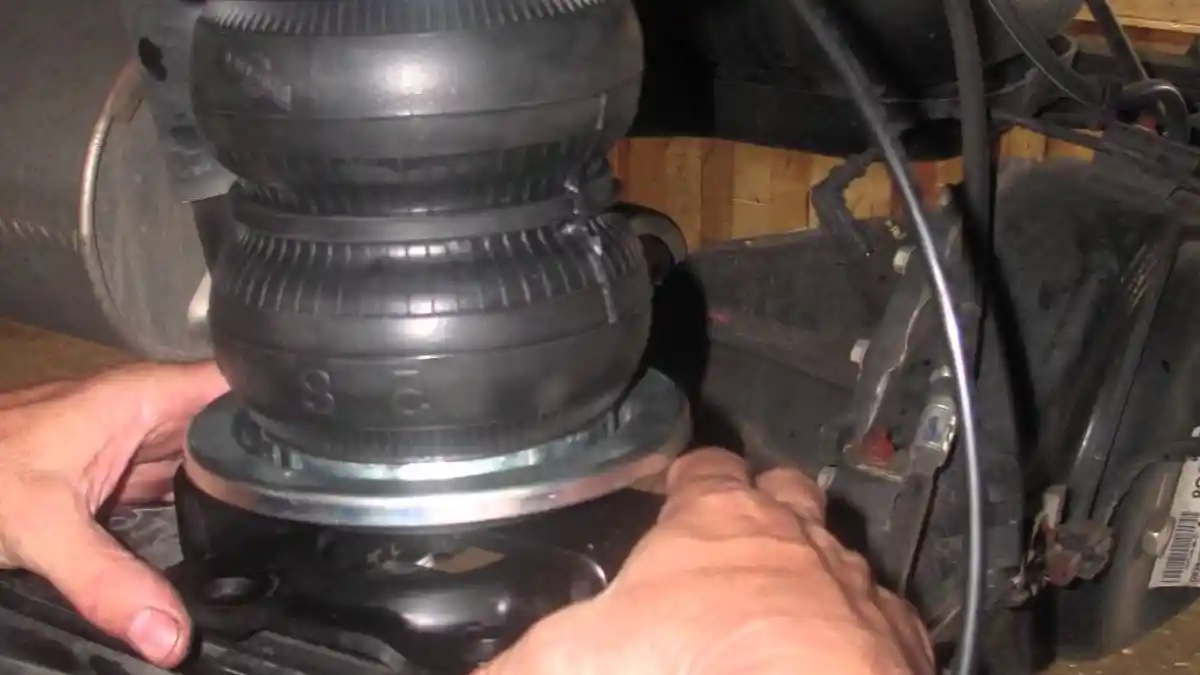
Air bag suspension is one of the most popular upgrades for vehicles today because it improves ride comfort, allows adjustable ride height, and enhances load handling. Instead of traditional steel springs, this system uses inflatable air bags (air springs) that can be filled or released with air to raise or lower the vehicle.
In this guide, you’ll learn a clear, beginner-friendly installation process, required tools, safety tips, and common mistakes to avoid.
What Is Air Bag Suspension?
Air bag suspension (also called air suspension) is a type of vehicle suspension system that uses flexible rubber or polyurethane airbags instead of traditional steel springs (coil springs or leaf springs). These airbags are inflated or deflated with compressed air, usually controlled by an onboard compressor and valve system.
How It Works
- Each air bag acts like a spring:
- When air is pumped in, the bag becomes stiffer and lifts the vehicle.
- When air is released, the vehicle lowers and the ride becomes softer.
- Sensors or manual controls adjust air pressure based on driving conditions or user preference.
Most Modern Systems Include
- Air compressor (creates compressed air)
- Air tank (stores air)
- Air lines & valves (control airflow)
- Electronic control unit (ECU) (automatically adjusts height in advanced systems)
Key Benefits of Airbag Suspension
- Ride height can be adjusted
- Driving experience is smoother
- Provides better load support
- Stability is enhanced
- The vehicle’s look can be customized to your preference
⚠️ Important Warning Before Installing Airbag Suspension
Airbag suspension is a modern vehicle upgrade that utilizes air-filled airbags to replace traditional coil or leaf springs. This system allows the vehicle’s ride height to be adjusted as needed, enhances ride comfort, and enables the vehicle to handle heavy loads with greater ease.
However, installing it requires careful planning, technical expertise, and the right tools. If you lack the necessary experience or equipment, it is advisable to have the installation performed by a qualified and experienced technician; furthermore, avoid using low-quality kits, as they may not perform reliably under real-world driving conditions.
How to Install Airbag Suspension (Step by Step Guide)
To install an airbag suspension: 1. Preparation and planning, 2. Safely lifting the vehicle, 3. Removing the existing suspension, 4. Installing airbag struts and components, 5. Installing the compressor and air tank, 6. Routing air lines and electrical wiring, 7. Calibrating the system, and 8. Final checks and test drive.
Let us explore, in detail, the complete process for correctly and safely installing an airbag suspension system—covering every step from preparation through to final testing—to ensure the system’s proper installation, safety, and performance.
#1. Tools and Materials Needed
Before starting installation, make sure you have the right tools and kit components.
- Jack and jack stands
- Socket and wrench set
- Screwdrivers
- Pliers
- Drill (if required)
Air Suspension Kit Includes:
- Air bags (air springs)
- Air compressor
- Air tank
- Air lines (hoses)
- Control valves or solenoids
- Wiring kit
- Mounting brackets
#2. Securly Park and Lift the Vehicle
- Park the vehicle on a level surface, engage the handbrake, and disconnect the battery for safety.
- Use a jack to lift the vehicle and securely support it with jack stands. Remove the wheels for better access.
#3. Removing the Exiting Suspension
- Coil springs or leaf springs are taken out
- Shock absorbers may be replaced or reused depending on the system
- The vehicle is safely lifted and supported during the process
- Proper safety measures are very important at this stage.
#4. Installing the Airbags
- Airbags are installed in place of the original springs
- Front and rear air struts or separate air bags are mounted
- Brackets and mounts are secured to the chassis
- Alignment is carefully checked to ensure correct positioning
- This step determines ride quality and stability.
#5. Installing the Air System Components
- Air compressor is mounted (usually in trunk or underbody)
- Air tank is installed and fixed securely
- Air lines are routed from compressor → tank → airbags
- All connections must be tight and leak-free.
#6. Electrical Wiring and Control Setup
- The air suspension system needs electrical control
- ECU or controller is installed and connected
- Switch panel or digital controller is placed inside the cabin
- Sensors are mounted (if using automatic leveling system)
- Wiring is protected using fuses and relays
- This allows you to control ride height easily.
#7. Testing for Air Leaks and Calibration
- The entire system is pressurized
- Air leaks are checked at all joints and fittings
- Ride height settings are calibrated (low, normal, high)
- ECU settings are programmed if required
- This ensures smooth and balanced performance.
#8. Wheel Alignment and Road Testing
- Proper wheel alignment adjustment
- Test drive under different road conditions
- Fine-tuning suspension height and comfort levels
- This ensures safety and stability on the road.
Safety Tips You Should Never Ignore
Installing air suspension involves both mechanical and electrical work. Keep these tips in mind:
- Always use jack stands, not just a jack
- Double-check all connections
- Keep wiring insulated and protected
- Avoid routing air lines near heat sources
- Test thoroughly before driving
Advantages of Proper Installation
- Smooth and comfortable ride
- Adjustable vehicle height
- Better load handling capability
- Improved driving stability
- Premium look and feel
Important Things to Remember
- Professional installation is strongly recommended
- Poor installation can lead to air leaks or system failure
- Regular maintenance is needed for long-term performance
- Quality kits last significantly longer and perform better
Is DIY Installation Worth It?
DIY (Do-It-Yourself) installation of airbag suspension can be attractive for many vehicle enthusiasts because it offers a hands-on experience and can reduce overall costs. However, it also requires proper technical understanding, tools, and patience to avoid costly errors.
Pros of DIY Installation
- It saves money on labor and workshop charges
- It helps you learn new mechanical and technical skills
- It gives you full control over how the system is installed and tuned
- You can customize the setup according to your personal preference
Cons of DIY Installation
- It is time-consuming and requires careful attention to detail
- It demands solid mechanical and electrical knowledge
- There is a higher risk of installation mistakes and system failure
- Improper setup can affect safety, performance, and ride quality
Overall, DIY installation can be rewarding for experienced enthusiasts, but it is not suitable for everyone. If you are not fully confident in handling suspension and air systems, choosing a professional installation is the safer and more reliable option.
Common Mistakes to Avoid in Airbag Suspension Installation
- Incorrect installation of air bags leads to uneven ride height and poor stability
- Misaligned mounting can cause early wear and sudden system failure
- Air bags must always be fitted in proper factory alignment positions
- Poor routing of air lines increases the risk of damage and air leakage
- Air pipes should be kept away from heat sources like exhaust and engine parts
- Sharp bends, pinches, or exposed lines can restrict airflow and reduce performance
- Loose electrical connections can cause system malfunction and inconsistent behavior
- Faulty wiring may stop the compressor or give incorrect sensor readings
- Weak connections can also damage the ECU or control module over time
- Skipping leak testing results in unnoticed air loss and unstable ride height
- Even small leaks can make the suspension drop when the vehicle is parked
- Continuous air loss forces the compressor to overwork and reduces its lifespan
- Overloading the system beyond its rated capacity can damage the airbags
- Excess weight leads to over-expansion and poor ride quality
- Long-term overload can permanently reduce system safety and durability
Maintenance Tips for Air Bag Suspension
To ensure your air bag suspension system performs smoothly and lasts longer, regular maintenance is very important. A well-maintained system not only improves comfort but also reduces the chances of sudden failure on the road.
- Check air pressure regularly to maintain proper ride height and balance
- Inspect air lines and fittings every month for cracks, leaks, or looseness
- Drain moisture from the air tank to prevent internal corrosion and valve damage
- Clean or replace compressor filters to keep airflow efficient and avoid overheating
- Watch for uneven ride height, as it may indicate leaks or pressure imbalance in the system
Consistent care helps maintain stability, improves safety, and extends the overall lifespan of the air suspension setup.
Air Suspension for Different Vehicle Types
Air suspension usage depends on the type of vehicle, as each vehicle has different fire requirements.
Cars
Air suspension in cars is mainly used for improving style and performance. It allows drivers to lower the vehicle for a sporty stance or raise it for daily driving conditions. This setup is very popular in modified and show cars because it offers a clean, adjustable look along with improved ride comfort.
- Ideal for lowering and performance driving
- Popular in show and custom builds
- Helps achieve a stylish and adjustable stance
Trucks
In trucks, air suspension is mainly focused on load handling and stability. It helps maintain proper ride height even when carrying heavy cargo or towing trailers. This reduces stress on the chassis and improves overall control.
- Great for towing and heavy hauling
- Improves load balance and stability
- Reduces rear sag under heavy weight
SUVs
For SUVs, air suspension offers a balance of comfort and practicality. It enhances ride quality on rough roads while also allowing height adjustment for different driving conditions like off-road or highway use.
- Enhances comfort and smooth driving experience
- Improves versatility for on-road and off-road use
- Helps maintain stability on uneven surfaces
Legal Considerations in the U.S.
Air suspension is generally legal in most parts of the United States, but it must comply with specific state and federal vehicle safety regulations. While it allows flexible ride height adjustment, improper use or extreme modifications can lead to legal issues.
- Your vehicle must meet minimum ride height requirements set by state laws
- Modifications should not interfere with essential safety systems like brakes, steering, or headlights
- In some states, modified suspension systems may require official inspection and approval before road use
- Excessively low driving height while on public roads may be considered illegal in certain areas
- Always ensure the vehicle remains safe and roadworthy in all adjustable positions
It is strongly recommended to check your local DMV (Department of Motor Vehicles) regulations before installing or using an air suspension system to avoid fines or compliance issues.
Final Thoughts
Installing an airbag suspension is more than just a visual upgrade—it significantly improves ride comfort, adjustability, and overall driving control. The ability to raise or lower the vehicle as needed adds a level of flexibility that traditional suspension systems can’t offer, making it useful for both daily driving and specific performance needs.
However, the installation process requires careful planning and attention to detail. Proper fitting, secure connections, and correct calibration are essential to ensure safety and long-term reliability. When done correctly, it becomes a worthwhile upgrade that combines practicality with a more refined driving experience.
FAQ’s
Here are some FAQs related to airbag suspension installation. These questions and answers will help you better understand the process, requirements, and common concerns.
Q. What tools are required for installing an airbag suspension system?
Basic tools such as wrenches, sockets, a hydraulic jack, jack stands, and sometimes specialized air line and electrical tools are needed.
Q. How long does it typically take to complete an installation?
It usually takes around 1 to 2 days depending on the vehicle type and the complexity of the setup.
Q. Can airbag suspension be installed on any vehicle?
Most vehicles can support it, but compatibility depends on the suspension design, mounting space, and kit availability.
Q. Is professional installation necessary?
Professional installation is highly recommended to ensure safety, proper fitting, and correct system calibration.
Q. How is air pressure controlled in the system?
Air pressure is controlled through an onboard compressor and management system, allowing adjustments via switches or a digital controller.
Q. What maintenance is required after installation?
Regular checks of air lines, fittings, and the compressor are important to detect leaks and ensure smooth operation.
Q. Does airbag suspension affect vehicle performance or fuel efficiency?
It may slightly increase fuel consumption due to added weight, but it improves comfort, handling, and load management.
Q. What are common issues after installation?
Common issues include air leaks, uneven ride height, or compressor strain, which can usually be prevented with proper installation and routine inspection.