
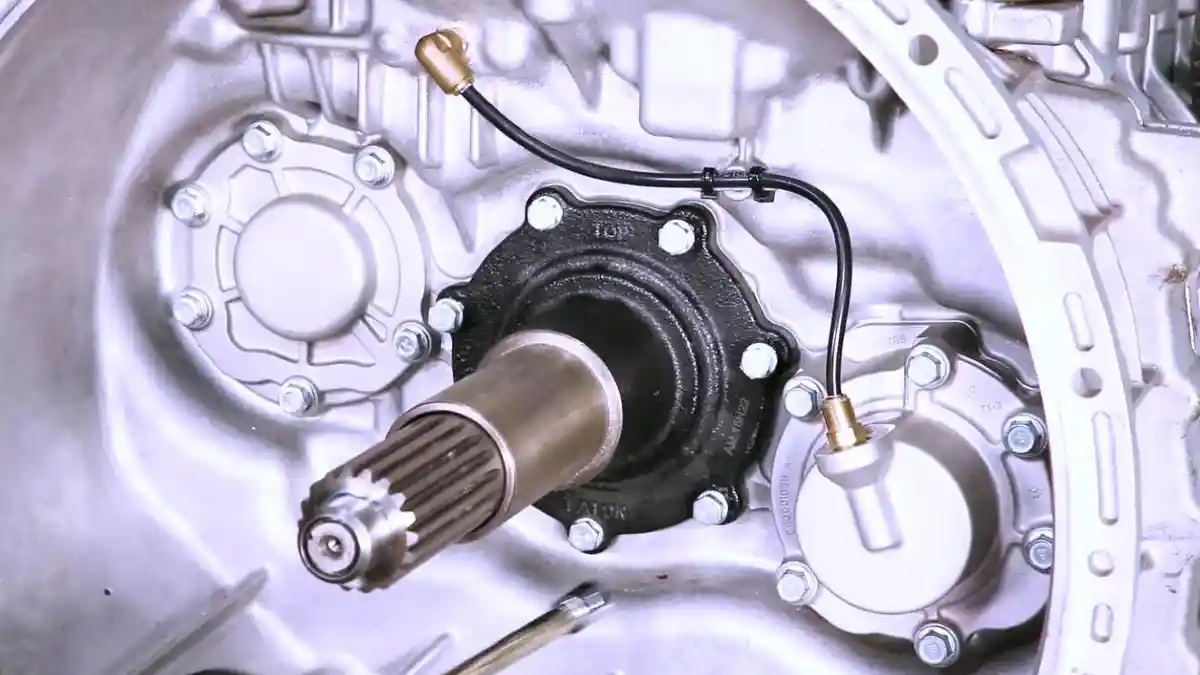
Commercial trucks equipped with modern automated transmissions like the Eaton Endurant and PACCAR TX-12 have transformed the trucking industry by improving fuel economy, driver comfort, and shifting efficiency. However, like any complex mechanical system, they come with their own set of challenges. One of the most significant and widely discussed issues among professionals, fleets, and owners is premature wear of the main drive gear, which can lead to harsh shifts, gear grinding, and expensive repairs.
In this article, we’ll explain everything you need to know about Eaton Endurant and PACCAR TX-12 main drive gear premature wear — what it is, why it happens, symptoms, diagnostics, repairs, warranty/service campaigns, real-world experiences, preventative measures, and long-term strategies for fleets and owner-operators.
Introduction to Eaton Endurant and PACCAR TX-12 Transmissions
Before we dive into the wear issue, let’s set the stage by understanding these transmissions.
What Are Eaton Endurant and PACCAR TX-12?
- Eaton Endurant is a series of automated manual transmissions (AMTs) developed through the joint venture between Eaton and Cummins. They are used widely in heavy-duty commercial trucks including Peterbilt and Kenworth models.
- PACCAR TX-12 is a transmission branded and integrated by PACCAR to suit its own truck platforms, such as Kenworth and Peterbilt vehicles, but it uses many of the same mechanical components and software features as the Endurant.
These 12-speed automatic transmissions are designed to combine the strength of a manual gearbox with electronic control for smooth shifting, driver aids, and fuel efficiency.
Premature Main Drive Gear Wear Explained
Premature main drive gear wear occurs when the primary transmission gear responsible for transferring engine torque deteriorates earlier than its expected service life. This gear is engineered to withstand high torque loads and continuous operation, so early wear typically indicates internal stress, misalignment, or abnormal gear contact. As wear increases, gear engagement becomes inconsistent, leading to reduced transmission efficiency and drivability issues.
If not identified early, premature wear can progress rapidly and cause extensive internal transmission damage. Industry analysis shows that certain Eaton Endurant and PACCAR TX-12 transmissions have experienced this condition more frequently than anticipated, increasing the risk of costly repairs, extended downtime, and potential transmission failure.
Key Signs and Risks
- Rough or harsh gear shifting
- Grinding, whining, or abnormal noises
- Accelerated gear tooth wear or breakage
- Loss of power transfer and performance
- Increased likelihood of full transmission failure
Why Is This a Big Deal?
Premature wear causes transmission failure far earlier than expected, sometimes within just a few hundred thousand miles. For fleets planning 750,000 miles or more between major rebuilds, this results in unexpected downtime, high repair costs, and lost productivity.
Root Causes of Main Drive Gear Premature Wear
Understanding the root causes of premature main drive gear wear is essential for reducing failure risk and improving transmission durability. In most cases, the problem does not originate from a single defective component but from a combination of internal wear conditions that gradually disrupt gear alignment, load distribution, and overall transmission stability.
Countershaft Bearing Bore Wear – (Primary and Main Cause)
The primary cause of premature failure in the main drive gear of Eaton Endurant and PACCAR TX-12 transmissions is wear in the countershaft bearing bore. As these bearing bores exceed acceptable tolerance limits, the countershaft loses proper support and begins to move axially within the transmission. This axial movement disrupts the correct gear alignment, causing the gear teeth to contact only at their edges rather than across their full working surface. This misalignment results in tip loading, which concentrates stress on a small portion of the gear teeth and significantly increases the risk of wear and tooth breakage.
Related Impacts:
- Axial movement of the countershaft
- Improper gear tooth contact patterns
- Localized stress concentration on gear teeth
- Accelerated wear and increased failure risk
Housing Wear and Clearance Issues
Wear or deformation within the transmission housing can create excessive internal clearances. When bearing seats or mounting surfaces degrade, shafts and bearings lose their precise positioning. This additional play causes uneven load distribution across the gear set and disrupts smooth engagement between the main drive gear and its mating gears. Under high torque or heavy-load conditions, even minor clearance issues are amplified, leading to increased stress and faster wear.
Related impacts:
- Excessive internal gear and shaft movement
- Uneven load sharing between gears
- Increased vibration and noise
- Higher stress under heavy-duty operation
Clutch Housing and Related Wear
Clutch housing wear, often aggravated by initial alignment issues or prolonged high-load operation, further destabilizes the transmission’s power path. As wear develops, unintended movement occurs between the engine, clutch, and transmission interface. This misalignment transfers abnormal forces into the transmission, placing additional stress on internal gears and bearings. Over time, this compounds existing wear and accelerates main drive gear deterioration.
Related Impacts:
- Engine-to-transmission misalignment
- Increased stress on internal components
- Progressive internal wear
- Reduced overall transmission lifespan
Secondary Contributing Factors
Beyond primary mechanical causes, several secondary conditions can significantly accelerate main drive gear wear. While these factors may not independently cause premature failure, they increase operating stress and worsen existing alignment or clearance issues when present.
Contributing Factors Include:
- Low, contaminated, or improperly maintained transmission fluid
- Elevated operating temperatures
- Sustained heavy loads and demanding duty cycles
- Aggressive or inconsistent shifting behavior
- Loose mounting hardware or misaligned drivetrain components
When combined with internal wear or alignment problems, these factors can dramatically shorten component life and increase the likelihood of major transmission failure.
Symptoms of Premature Main Drive Gear Wear
Premature wear in the main drive gear of Eaton Endurant and PACCAR TX‑12 transmissions manifests through a combination of mechanical, audible, and operational signs. Recognizing these early can prevent catastrophic failure and reduce repair costs.
#1. Harsh or Abrupt Shifting
- The hallmark sign of main drive gear wear is rough, jerky, or abrupt shifts between gears. Instead of the smooth, automated engagement typical of AMTs, the truck may feel like it’s “stuttering” when changing gears.
- Technical Explanation: Uneven gear tooth contact or misalignment causes the transmission to resist engagement, producing a physical “catch” sensation as the synchronizers and gear teeth try to mesh.
- Driver Experience: Drivers may notice the truck lurching forward or backward, or experience a slight “shock” through the cabin each time the transmission shifts. These sensations are often more pronounced under load, such as during uphill driving or while hauling heavy cargo.
- Impact: Persistent harsh shifts can cause secondary wear on synchronizers, bearings, and other transmission components, accelerating overall drivetrain deterioration.
#2. Grinding or Growling Noises
- Description: A grinding or growling noise during shifting or acceleration is a classic symptom. It is often metallic and can increase in intensity with engine load or vehicle speed.
- Technical Explanation: As the main drive gear teeth wear or become misaligned due to bearing bore movement, gear contact points are no longer uniform. This causes partial engagement, uneven load distribution, and the characteristic grinding sound.
- Detection: This noise is usually audible inside the cabin and can also be detected using electronic vibration sensors in advanced diagnostics. Technicians often note that the noise occurs primarily when engaging certain gears, especially the higher-load lower gears or during first-to-second shifts.
- Impact: Continuous grinding can exacerbate tooth wear, potentially leading to chipped teeth or gear breakage, which may leave the transmission inoperable if not addressed promptly.
#3. Visible Gear Damage Upon Inspection
When the transmission is disassembled, physical damage to the main drive gear becomes apparent. Common findings include:
- Chipped or broken teeth: Usually at high-stress points or gear tips.
- Uneven wear patterns: Areas of the tooth show deep grooves or polished spots where contact is concentrated.
- Abnormal tip wear: Indicating misalignment and improper load distribution.
- Signs of metal fatigue: Cracks or deformation in high-load zones of the gear.
- Technical Insight: This type of damage confirms internal misalignment or bearing-related issues. Worn teeth are often accompanied by damage to the mating countershaft gears.
- Impact: Such damage reduces the transmission’s ability to carry torque efficiently and may lead to complete gear failure if ignored.
#4. Secondary Vibration and Fault Codes
- Description: Drivers may feel unusual vibrations through the cab or drivetrain, particularly during acceleration or when the transmission is under load.
- Technical Explanation: Bearing wear allows shafts to move slightly within their housings. This movement causes gear-tooth misalignment, which generates secondary vibration transmitted through the transmission and driveline.
- Diagnostic Indicators: Modern AMTs like the Endurant and TX‑12 will often detect irregular movement or excessive torque load, triggering fault codes such as transmission service warnings, clutch actuation errors, or shift engagement faults.
- Impact: Vibration not only affects driver comfort but also signals increasing mechanical stress that can accelerate component failure if not addressed.
#5. Drive Inconsistencies
- Description: Premature main drive gear wear can manifest as inconsistent vehicle performance:
- Hesitation during acceleration: The vehicle may pause momentarily when power is applied.
- Loss of power feel: Acceleration feels weaker than normal.
- Irregular acceleration patterns: Surges or uneven speed increases during throttle application.
- Technical Explanation: Misaligned or damaged gears reduce the efficiency of power transfer from the engine to the wheels. Even if the engine operates normally, the worn transmission can’t consistently deliver torque.
- Impact: These inconsistencies affect fuel economy, load handling, and overall vehicle safety, making the truck unpredictable in traffic or on grades.
Collective Impact of Symptoms
When these symptoms appear together, they indicate a serious internal transmission problem. Left unchecked, they can lead to:
- Catastrophic gear failure, immobilizing the truck.
- Accelerated wear on other transmission components, such as bearings, shafts, and synchronizers.
- Safety risks due to sudden power loss or unpredictable shifts.
- Increased maintenance costs due to more extensive repairs or full transmission replacement.
Diagnostics: How Technicians Identify This Issue
Identifying premature main drive gear wear requires a combination of symptom diagnosis and physical inspection. Technicians must carefully evaluate the vehicle’s behavior, listen for abnormal noises, analyze fault codes, and, if needed, disassemble the transmission to inspect internal components. Early detection is critical to prevent further damage and ensure reliable operation of Eaton Endurant and PACCAR TX‑12 transmissions.
Road Test & Symptom Validation
Technicians begin by conducting a controlled road test to validate reported symptoms and observe the transmission under normal operating conditions. They should:
- Listen for grinding or growling noises during shifting or under load.
- Observe for harsh, jerky, or delayed gear changes.
- Note any unusual vibrations felt through the cab or drivetrain.
- Record fault codes using diagnostic tools such as ServiceRanger.
This step helps differentiate main drive gear wear from other issues, while also identifying patterns that may require deeper inspection.
Visual Inspection via Disassembly
If road testing and fault codes suggest internal problems, removing the transmission allows for a detailed visual inspection. Technicians should examine:
- Main drive gear teeth for chipping, breakage, or abnormal tip wear.
- Gear surfaces for uneven wear patterns or signs of metal fatigue.
- Countershaft bearings for wear, bore deformation, or movement along shafts.
- Any gear distortion or alignment issues caused by bearing or housing wear.
A thorough inspection confirms whether internal damage is present and identifies the components requiring repair or replacement.
Measuring Clearances
Accurate measurement of metal-to-metal clearances is essential to confirm excessive wear. Technicians can:
- Use feeler gauges or bore gauges to check bearing bore clearances.
- Measure shaft end play and lateral movement with micrometers or dial indicators.
- Verify gear mesh using marking compounds to confirm proper tooth contact.
- These measurements help pinpoint misalignment or worn components that are causing premature gear wear.
Fault Code Trends
Monitoring fault code trends provides additional diagnostic insight. Technicians should note that:
- Transmission service lamps or shift engagement errors often indicate internal mechanical issues.
- Clutch or rail-related codes may co-exist with gear wear but do not always directly indicate it.
- Trend analysis over time can reveal patterns in engagement problems or load irregularities.
- Combining fault code data with road tests, physical inspection, and clearance measurements ensures a comprehensive diagnosis, reducing the risk of overlooking early-stage wear.
Mechanic Mistakes
- Misdiagnosing Symptoms: Confusing gear wear with clutch, shift rail, or actuator issues.
- Incomplete Inspection: Failing to check countershaft bearings, bearing bores, or gear tips fully.
- Improper Clearance Measurement: Using inaccurate tools, ignoring OEM tolerances, or measuring in the wrong locations.
- Replacing Only the Gear: Changing the main drive gear without addressing worn bearings, misalignment, or housing damage.
- Ignoring Fault Code Trends: Acting on single fault codes without analyzing patterns or cross-referencing with physical inspection.
- Rushing Road Tests: Skipping controlled observation of noises, vibrations, and shifting behavior under load.
- Overlooking Gear Contact Patterns: Not using marking compounds to verify tooth engagement and alignment.
Official Service Bulletins, Campaigns & Corrective Actions
Premature main drive gear wear in Eaton Endurant and PACCAR TX‑12 transmissions has been recognized by both Eaton Cummins and PACCAR. To address this issue, service bulletins and warranty campaigns have been issued, guiding technicians on inspection, diagnosis, and corrective repairs. Understanding these actions helps fleets prevent gear failure and reduces costly downtime.
#1. Eaton Cummins Bulletins
In 2024–2025, Eaton Cummins issued service bulletins addressing premature main drive gear wear:
- Customers reported harsh shifts and grinding noises caused by broken main drive gear teeth.
- Investigations traced the root cause to countershaft bearings wearing into their bores, which increased gear tip loading and eventually led to tooth failure.
#2. PACCAR Campaigns
PACCAR also launched warranty campaigns for trucks equipped with TX‑12 transmissions:
- Some campaigns targeted vehicles even without active customer complaints.
- The goal was to proactively inspect and service main drive gear components to prevent failure.
#3. Corrective Repairs
Repairs recommended under these bulletins and campaigns typically involve:
- Replacing the main drive gear set.
- Machining or replacing worn housings.
- Replacing countershaft bearings and ensuring they are properly seated.
- Installing a countershaft bearing lock bracket, designed by the company to secure the bearing during transmission repairs and prevent premature gear wear.
- Updating software, if needed, to improve shift logic and low oil pressure detection.
- Ensuring all alignment and torque specifications meet OEM requirements.
These repairs can be extensive, but many are covered under warranty if performed within the designated service coverage window.
Maintenance & Prevention Strategies
Preventing premature main drive gear wear in Eaton Endurant and PACCAR TX‑12 transmissions requires a combination of regular inspection, proper maintenance, and proactive corrective measures. Fleets that follow OEM guidelines and address issues early can reduce downtime, extend transmission life, and improve driver confidence.
Regular Oil & Fluid Maintenance
Proper lubrication is essential for gear longevity:
- Use only OEM-approved transmission fluids with the correct viscosity and additive package.
- Follow recommended fluid change intervals to prevent contamination and metal particle buildup.
- Monitor fluid condition regularly for signs of degradation, overheating, or contamination.
Scheduled Inspections
Regular inspections can catch wear before it becomes critical:
- Check for vibrations, harsh shifts, or abnormal noises during operation.
- Inspect gear teeth, shafts, and bearings during scheduled service or when removing the transmission.
- Measure bearing and shaft clearances with calibrated tools to identify early wear.
Driver Awareness & Operating Practices
Driver habits can significantly impact gear life:
- Avoid prolonged operation under excessive loads or frequent stop-and-go cycles.
- Encourage smooth shifting and proper use of cruise or engine braking to reduce stress on gears.
- Report unusual noises, vibration, or shifting issues promptly to maintenance teams.
Use of Countershaft Bearing Lock Bracket
To prevent recurrence of premature wear:
- Install the countershaft bearing lock bracket during transmission repairs or rebuilds.
- The bracket secures the bearing in place, reducing gear tip stress and enhancing overall transmission reliability.
OEM Updates and Software
- Apply any software updates recommended by Eaton Cummins or PACCAR to improve shift logic and low oil pressure detection.
- Ensure all alignment and torque specifications follow OEM guidance during reassembly.
Key Takeaways:
- Maintain proper fluid quality and levels.
- Perform scheduled inspections for gears, bearings, and shafts.
- Promote smooth driving and avoid excessive load.
- Install the countershaft bearing lock bracket during repairs.
- Apply OEM software updates and follow alignment/torque specs.
Estimated Repair Costs for Premature Main Drive Gear Wear
Repairing premature main drive gear wear in Eaton Endurant and PACCAR TX‑12 transmissions can be expensive due to the complexity of internal components and labor-intensive work. Costs vary depending on the severity of damage, parts required, and labor rates.
#1. Partial Repair (Gear and Bearings Only)
If damage is limited to the main drive gear and countershaft bearings:
- Parts: $2,000 – $5,000
- Labor: $2,000 – $4,000
- Total: $4,000 – $9,000
This includes replacing the gear, bearings, and installing the countershaft bearing lock bracket, along with proper alignment and reassembly.
#2. Major Internal Repair or Partial Rebuild
If additional internal damage exists, such as worn housings or multiple gears:
- Parts & machining: $4,000 – $8,000
- Labor: $3,000 – $6,000
- Total: $7,000 – $14,000+
This covers more extensive work, including machining housings and multiple component replacements.
#3. Full Remanufactured Transmission Replacement
In cases of widespread internal damage, replacing the transmission may be preferred:
- Reman transmission: $8,000 – $10,000
- Labor to remove & reinstall: $1,500 – $3,000
- Total: $9,500 – $13,000+
Additional Considerations
- Warranty coverage may significantly reduce out-of-pocket costs if the vehicle is within service limits.
- Downtime, towing, and lost revenue can add indirect costs if repairs are delayed.
- Timely maintenance and inspections can prevent extensive damage and reduce overall repair expenses.
FAQ’s
Here are some frequently asked questions to help you better understand main drive gear wear in Eaton Endurant and PACCAR TX‑12 transmissions.
Q. Can extreme weather conditions contribute to premature gear wear?
Yes. Very high or low ambient temperatures can affect transmission fluid viscosity, reduce lubrication efficiency, and increase metal-to-metal contact, accelerating wear on the main drive gear.
Q. Are aftermarket parts safe for repairing worn main drive gears?
Aftermarket components may vary in quality. While some meet OEM standards, using non-OEM gears, bearings, or housings can risk misalignment, poor contact patterns, and earlier failure. OEM parts are recommended for reliability.
Q. How often should main drive gear inspections be performed?
For high-mileage trucks or those used under heavy load, it’s recommended to inspect the main drive gear and countershaft bearings every 200,000–250,000 miles or during major transmission service intervals.
Q. Can software alone prevent premature gear wear?
No. While software updates can improve shift logic and protect against low oil pressure events, mechanical wear is primarily caused by physical stress and alignment issues. Software helps, but cannot replace proper maintenance.
Q. Is noise always a sign of gear failure?
Not necessarily. Some growling or whine can be normal under load or during cold starts. Persistent grinding, metallic knocks, or increasing harshness in shifts are more reliable indicators of internal gear wear.
Q. Can improper installation of the countershaft bearing lock bracket cause issues?
Yes. If the lock bracket is not seated correctly, it can misalign the bearing, increase gear stress, and potentially worsen wear rather than prevent it. Correct installation is critical.
Q. Does gear wear affect fuel efficiency?
Yes. Worn gears create inefficiencies in power transfer, leading to higher engine load and slightly reduced fuel economy over time, especially under heavy-duty operation.
Q. Can vibration sensors detect early gear wear?
Advanced vibration monitoring can sometimes detect changes in gear mesh patterns before visible damage occurs. This is more common in fleets with telematics or predictive maintenance systems.
Q. Are some trucks more prone to premature gear wear than others?
Yes. Trucks that frequently operate at maximum payload, perform heavy towing, or experience harsh shifting practices are more likely to develop early main drive gear wear, even if the transmission is properly maintained.