
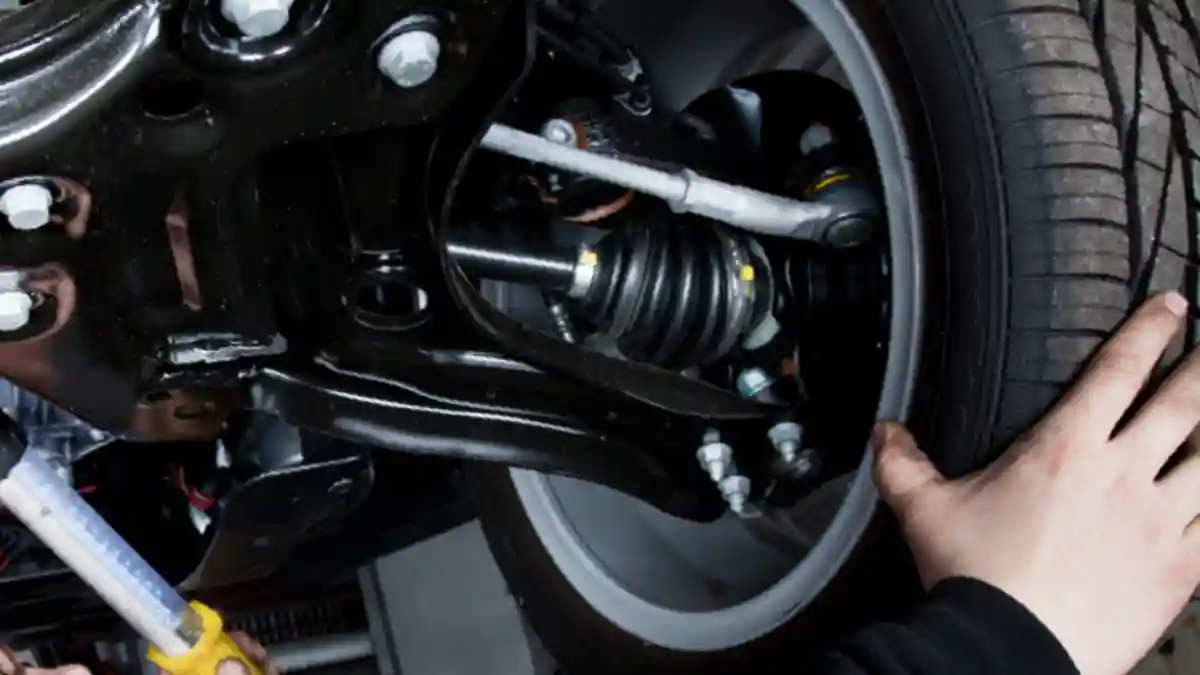
Your car’s suspension system is one of the most critical components for safety, comfort, and performance. Yet, it’s often overlooked until something feels off—like a bumpy ride, uneven tire wear, or strange noises. When that happens, one of the first questions that comes to mind is: “How much will suspension repair cost?”
In this comprehensive guide, we’ll break down everything you need to know about suspension repair costs, including detailed price ranges, component-wise costs, labor charges, and the key factors that influence the final bill. Whether you’re a car owner trying to budget or someone diagnosing a problem, this article will help you make informed decisions.
What Is a Suspension System?
The suspension system is what keeps your car from bouncing all over the road. It absorbs shocks from bumps, potholes, and rough surfaces so you can drive comfortably. It also helps keep your tires in contact with the road, which improves control and safety.
Main Parts of a Vehicle Suspension System
- Shock Absorbers (shocks): Control spring movement by damping vibrations and preventing bouncing.
- Struts: Combine a shock absorber and structural support for the suspension and wheel alignment.
- Springs (coil or leaf): Support vehicle weight and absorb road impacts to maintain ride height.
- Control Arms: Connect wheels to the chassis and allow controlled up-and-down movement.
- Ball joints: Act as pivot points between control arms and steering knuckles for smooth movement.
- Bushings: Rubber or polyurethane cushions that reduce vibration, noise, and metal friction.
- Sway Bar (anti-roll bar): Reduces body roll and improves stability during turns.
- Tie Rods: Link steering system to wheels and transfer steering input for direction control.
Why it Matters
- Gives you a smooth ride
- Helps with steering and handling
- Keeps the vehicle stable, especially at high speeds or on rough roads
Think of it like this: without a suspension system, every small bump would feel like a big jolt, and driving would be uncomfortable and unsafe.
Types of Suspension System
- Independent Suspension: Each wheel moves independently, providing better comfort and stability. It improves handling and is commonly used in modern passenger cars.
- Dependent (Solid Axle) Suspension: Both wheels are connected to a single axle, so movement on one side affects the other. It is strong and commonly used in trucks and heavy vehicles.
- MacPherson Strut Suspension: A simple and cost-effective system that combines shock absorber and coil spring. It is widely used in front suspension of small and mid-size cars.
- Double Wishbone Suspension: Uses two control arms for better control and handling. It offers high stability and is often used in sports and premium vehicles.
- Multi-Link Suspension: Uses multiple arms to control wheel movement precisely. It provides excellent comfort and performance but is more complex and expensive.
Car Suspension Repair Cost (2026)
- Basic Repairs: $150 – $800
- Moderate Repairs: $800 – $1,500
- Major Repairs or Full Replacement: $1,500 – $4,000+
Minor suspension repairs typically cost $150–$800, while moderate repairs range from $800–$1,500. Major repairs or full replacement can cost $1,500–$4,000+, depending on vehicle condition, damage, and labor charges. Overall, most common fixes are a few hundred dollars, while full system replacement is significantly higher. Let’s explore the costs associated with suspension system repairs in detail.
Component-Wise Car Suspension Repair Costs
Understanding the role and cost of each individual suspension component allows you to estimate repair expenses more accurately and avoid unexpected charges.
#1. Shock Absorber Replacement
Shock absorbers control vehicle bouncing and improve ride comfort.
- Per shock: $25 – $80
- Full set (4): $100 – $300
- Labor: $20 – $50
- Total: $125 – $350
- Signs: Excessive bouncing, oil leakage, poor braking
#2. Strut Replacement
Struts support vehicle weight and absorb shocks.
- Per strut: $50 – $150
- Pair: $100 – $300
- Labor: $40 – $100
- Total: $150 – $400
- Note: More expensive than shocks due to structural role
#3. Suspension Springs
Springs carry vehicle weight and absorb road impact.
- Per spring: $30 – $100
- Labor: $20 – $50
- Total: $50 – $150 per spring
#4. Control Arm Replacement
Control arms connect wheels to the chassis.
- Part: $60 – $200
- Labor: $30 – $80
- Total: $90 – $280
#5. Ball Joint Replacement
Ball joints allow smooth steering and movement.
- Part: $20 – $70
- Labor: $20 – $60
- Total: $40 – $130
#6. Bushings Replacement
Bushings reduce vibration and noise.
- Part: $10 – $40
- Labor: $20 – $60
- Total: $30 – $100
#7. Sway Bar Repair
Reduces body roll during turns.
- Part: $30 – $100
- Labor: $20 – $60
- Total: $50 – $160
#8. Wheel Alignment
Required after suspension work.
- Cost: $50 – $120
Factors Affecting Suspension Repair Cost
- Type and Extent of Damage: Minor issues like worn bushings or small leaks are cheaper to fix. Major damage to shocks, struts, or control arms increases the overall cost significantly.
- Vehicle Make and Model: Luxury and imported vehicles usually cost more to repair. This is because their parts are expensive and often require specialized service.
- Quality of Parts Used: OEM parts are more expensive but offer better quality and durability. Aftermarket parts are cheaper but may vary in performance.
- Labor Charges: Labor costs depend on the workshop, technician expertise, and location. Higher-skilled or branded service centers usually charge more.
- Repair vs Replacement: Repairing individual components is generally more affordable. Full suspension replacement increases the total cost significantly.
- Service Location: Urban workshops tend to have higher service charges. Smaller towns usually offer more budget-friendly repair costs.
Why Suspension Repair Costs Vary So Much?
Suspension repair costs vary widely because the damage level is different in every vehicle. Minor issues like worn bushings are inexpensive, while major failures or full system replacements can be costly.
Vehicle type also plays a big role, as luxury and imported cars require expensive parts and specialized repairs. In addition, labor charges, parts quality (OEM vs aftermarket), and service location further influence the final price. Together, these factors create a wide range in suspension repair costs.
When Should You Repair Suspension?
Suspension should be repaired when you start noticing signs like a rough or uncomfortable ride, unusual noises from the wheels, or the vehicle pulling to one side while driving. These early symptoms often indicate that some components are worn out or damaged.
Another common warning sign is excessive bouncing after going over bumps or uneven tire wear. These issues suggest that the suspension system is not absorbing shocks properly and needs attention.
If the steering feels unstable, or the car dips forward while braking, it’s important to get it checked immediately. Early repair helps maintain safety and prevents more expensive damage in the future.
How to Reduce Suspension Repair Cost?
Regular maintenance is one of the most effective ways to keep suspension repair costs low. Getting your vehicle inspected on time helps identify small issues early, preventing them from turning into major and expensive problems. Careful driving habits also play a key role in reducing wear and tear on suspension components.
Another important factor is choosing the right repair approach and parts. Using quality aftermarket parts instead of costly OEM parts can help save money, while still maintaining good performance. Timely repairs and avoiding neglect can significantly reduce long-term expenses.
Tips to Reduce Suspension Repair Cost
- Get regular suspension inspections
- Avoid potholes and rough driving conditions
- Do not overload the vehicle
- Choose quality aftermarket parts when suitable
- Fix small issues immediately before they worsen
Suspension Repair vs Replacement – What is Better?
Choosing between suspension repair and replacement depends on the condition of the system and the extent of the damage. Repair is usually a better option when only a few components like bushings, shocks, or joints are worn out. It is more affordable and helps extend the life of the existing suspension system.
Replacement, on the other hand, is recommended when multiple parts are damaged or the system has become too worn to function properly. Although it is more expensive, it ensures better safety, performance, and long-term reliability.
In most cases, repair is suitable for minor to moderate issues, while replacement is ideal for severe or repeated failures. A proper inspection by a mechanic can help decide the best and most cost-effective option for your vehicle.
Hidden Costs in Suspension Repair
Suspension repair often involves hidden costs that are not included in the initial estimate. During inspection, additional damaged parts may be discovered, increasing the overall repair bill. This is common when worn components affect other nearby parts of the system.
Extra expenses can also come from wheel alignment, balancing, and replacement of related components like tires or mounts. In some cases, higher labor charges or the use of premium parts can further raise the final cost. Being aware of these hidden costs helps you plan your budget more effectively.
Final Thoughts
Car suspension repair cost is not a fixed number—it changes based on multiple real-world factors like vehicle type, damage level, parts quality, labor charges, and road conditions. While minor suspension issues can be fixed at a relatively low cost, ignoring early warning signs can quickly turn a small repair into a major and expensive overhaul.
The most important takeaway is that your suspension system directly affects safety, comfort, and vehicle control. So instead of delaying repairs to save money in the short term, timely inspection and maintenance usually help you avoid much higher expenses later.
If you notice symptoms like unusual noises, uneven tire wear, or poor handling, it’s always better to get your suspension checked immediately. In most cases, early action can cut your repair cost significantly and extend the life of your vehicle.
FAQS For Car Suspension Cost
Here are some frequently asked questions about car suspension costs. Find quick answers to help you understand pricing and repairs.
Q. What are the most common suspension parts that fail?
The most common suspension components that fail include shock absorbers, struts, control arms, ball joints, and rubber bushings. These parts wear out over time due to continuous road impact, heavy loads, and poor road conditions.
Q. How do I know if my car suspension is damaged?
You can identify suspension damage through symptoms such as excessive bouncing after bumps, knocking or clunking noises, uneven tire wear, poor steering control, and the car leaning to one side while driving or parked.
Q. What factors affect suspension repair cost the most?
The biggest cost factors include the type of vehicle, severity of damage, labor charges, quality of spare parts (OEM or aftermarket), and driving conditions. Luxury cars and complex suspension systems usually cost more to repair.
Q. How long does a car suspension last?
On average, car suspension components last between 70,000 km and 1,50,000 km. However, this lifespan can be shorter if the vehicle is frequently driven on rough roads or not properly maintained.
Q. Is suspension repair expensive?
Suspension repair can be either affordable or expensive depending on the issue. Simple part replacements are usually low-cost, but replacing multiple components or major parts like struts can become expensive.
Q. Can suspension problems affect driving safety?
Yes, suspension problems can seriously affect driving safety. A damaged suspension reduces vehicle stability, weakens braking performance, and makes steering less accurate, especially at higher speeds.
Q. Should suspension parts be replaced in pairs?
Yes, suspension parts like shock absorbers and struts are generally recommended to be replaced in pairs. This ensures balanced performance, smoother handling, and better overall vehicle stability.