
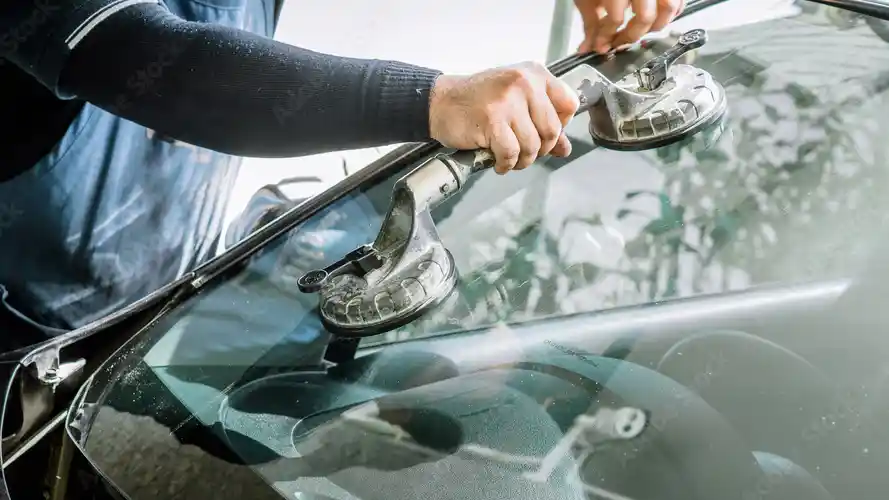
Windshield replacement is one of the most common auto repair needs for vehicle owners. Whether it is a minor scratch that later turns into a large crack or severe damage caused by road debris, understanding the cost of windshield replacement is important.
However, the cost is not the same for every vehicle. Replacing the windshield of a small car might cost a few hundred dollars, whereas the cost for a luxury vehicle equipped with Advanced Driver Assistance Systems (ADAS) or a semi-truck can run into the thousands.
This guide provides all the essential information regarding windshield replacement costs, including variations based on vehicle type, insurance coverage, ADAS recalibration, and ways to save money without compromising safety.
Why Windshield Replacement Cost Varies So Much?
Many car owners are surprised when they receive quotes that differ by hundreds of dollars for the same vehicle. The reason is that windshield pricing is influenced by multiple technical and economic factors such as glass type, vehicle model, labor complexity, and availability of replacement parts.
Modern vehicles equipped with ADAS features like lane assist cameras and rain sensors also require recalibration after installation, which significantly increases the overall cost. Even factors like OEM vs aftermarket glass and regional labor rates can create major price differences.
Understanding these variables helps you avoid overpaying, compare quotes more effectively, and make informed insurance decisions when dealing with windshield replacement.
Average Windshield Replacement Cost (Quick Overview)
Here is a general breakdown of windshield replacement cost ranges:
- Compact Cars: $200 – $500
- Sedans & Mid-size Cars: $250 – $600
- SUVs & Crossovers: $300 – $900
- Luxury Vehicles: $500 – $1,500+
- Semi Trucks & Commercial Vehicles: $800 – $3,000+
These numbers vary widely depending on glass type, sensors, labor, and location.
Key Factors Affecting Windshield Replacement Cost
The cost of replacing a windshield depends on several key factors, such as the type of vehicle, the quality of the glass, and modern safety features. Understanding these factors in detail can help you compare prices effectively and choose the most cost-effective option.
#1. Vehicle Type and Model
The type of vehicle plays a major role in determining windshield replacement cost. Simple compact cars usually have standard-sized windshields that are easier and cheaper to replace. On the other hand, SUVs, luxury vehicles, and semi trucks require larger, stronger, and more complex glass designs, which increases both material and labor costs.
- Compact cars = lowest cost
- SUVs = moderate cost
- Luxury vehicles & trucks = highest cost
- Size and design complexity directly impact price
#2. OEM vs Aftermarket Glass
Windshield pricing also depends on whether you choose OEM (Original Equipment Manufacturer) glass or aftermarket glass. OEM glass is made by the same manufacturer as your vehicle and ensures exact fit and quality. Aftermarket glass is produced by third-party companies and is more affordable, though it may slightly differ in clarity, thickness, or fit.
- OEM glass = higher cost, exact match
- Aftermarket glass = cheaper, slight variations possible
- OEM preferred for premium vehicles
- Aftermarket suitable for budget repairs
#3. ADAS (Advanced Driver Assistance Systems)
Modern vehicles often come with ADAS features such as lane departure warning, collision sensors, rain detection, and windshield-mounted cameras. After windshield replacement, these systems must be recalibrated to function properly, which adds extra cost and technical steps.
- Includes cameras and safety sensors
- Requires recalibration after replacement
- Adds $100–$400+ to total cost
- Essential for driving safety systems
#4. Labor Costs
Labor charges vary depending on where and how the replacement is done. Urban areas typically have higher service costs due to demand and operating expenses. Mobile replacement services may also cost more for convenience compared to workshop installation.
- Higher in big cities
- Lower in rural areas
- Mobile service = slightly more expensive
- Complex installations increase labor time
#5. Vehicle Make and Brand
Luxury and premium car brands require specialized glass and trained technicians for proper installation. Brands like BMW, Mercedes-Benz, Audi, and Tesla often have advanced windshield designs that increase both material and installation costs.
- Luxury brands = higher replacement cost
- Requires specialized tools and expertise
- Precision fitting is essential
- Advanced features increase complexity
#6. Type of Damage
The cost depends on whether the damage is a small chip or a full crack. Minor chips can often be repaired at a low cost, while larger cracks usually require full windshield replacement, which is significantly more expensive.
- Chip repair = $50–$150
- Full replacement = $200–$3,000+
- Cracks over 6 inches usually need replacement
- Early repair saves money
#7. Heating Elements and Special Features
Some windshields come with additional features such as heating systems, heads-up display (HUD) compatibility, acoustic layers for noise reduction, or UV protection coatings. These features increase both the cost and installation complexity.
- Heated windshields cost more
- HUD-compatible glass is expensive
- Acoustic layers improve comfort
- More features = higher price
#8. Location and Availability
Replacement cost can also vary depending on how easily the glass is available. Rare models or special-order windshields may take longer to arrive and cost more due to shipping, logistics, and limited supply.
- Rare glass increases cost
- Special orders take longer
- Shipping adds extra charges
- Availability affects final price
Windshield Replacement Cost by Vehicle Type
#1. Compact Cars Windshield Replacement Cost
Compact vehicles are generally the most affordable to repair when it comes to windshield replacement. Their smaller size, simpler design, and wide availability of parts help keep costs lower compared to larger or luxury vehicles.
Examples
- Toyota Corolla
- Honda Civic
- Hyundai Elantra
- Nissan Sentra
Why it’s Cheaper
Smaller windshield size reduces material cost
Fewer advanced sensors and features
Easier and faster installation process
High availability of aftermarket glass options
Additional Costs
- ADAS calibration (if equipped): $100 – $250
- Mobile service fee: $25 – $75
Typical Total Cost
- $250 – $650 depending on features and service type
#2. Luxury Car Windshield Replacement Cost
Luxury vehicles typically have the highest windshield replacement costs due to advanced technology, precision engineering, and strict OEM requirements. These vehicles often include multiple integrated systems within the windshield, making replacement more complex and expensive.
- Average Cost: $500 – $1,500+
Examples Include
- BMW 5 Series
- Mercedes-Benz E-Class
- Audi A6
- Tesla Model 3 / Model S
- Lexus RX
Why Luxury Windshields Cost More?
- OEM (Original Equipment Manufacturer) glass is often required for exact fit and quality
- Advanced ADAS features such as lane assist and collision detection
- Heads-Up Display (HUD) compatibility built into the glass
- Acoustic laminated glass for noise reduction and comfort
- Specialized tools and skilled technicians needed for installation and calibration
ADAS Recalibration Impact
Luxury vehicles often require full system recalibration after windshield replacement to ensure safety features work correctly.
- Static calibration: $150 – $400
- Dynamic calibration: $100 – $300
Total Expected Cost
- $700 – $2,000+
Luxury windshield replacement is among the most expensive auto glass services due to its advanced technology and strict precision requirements.
#3. SUVs Windshield Replacement Cost
SUVs are among the most commonly used vehicles, and their windshield replacement costs typically fall between compact cars and luxury vehicles. Due to their larger size and added features, SUV windshields require more material and labor compared to smaller cars.
- Average Cost: $300 – $900
Examples
- Toyota RAV4
- Ford Explorer
- Jeep Grand Cherokee
- Honda CR-V
- Chevrolet Tahoe
- Sensor recalibration: $100 – $350
- Heated windshield features: +$100 – $250
Total Expected Cost
- $400 – $1,200+
SUV windshield replacement is one of the most frequently claimed auto glass repairs in insurance due to its high usage and exposure to road debris.
#4. Semi Truck Windshield Replacement Cost
Semi trucks and commercial vehicles generally have the highest windshield replacement costs due to their large size, strict safety requirements, and the added impact of vehicle downtime on business operations.
- Average Cost: $800 – $3,000+
Examples
- Freightliner Cascadia
- Volvo VNL
- Peterbilt 579
- Kenworth T680
Why Semi Truck Windshields are Expensive?
- Extremely large windshield panels requiring more material
- Heavy-duty laminated safety glass for durability and protection
- Two-piece windshield designs in some truck models
- Specialized installation tools and equipment required
- Mobile roadside service often needed for convenience
Additional Cost Factors
- Emergency roadside service: $150 – $500 extra
- Downtime loss for fleet operations impacts overall cost
- Specialized adhesives and longer curing time required
Total Expected Cost
- $1,000 – $3,500+
For trucking companies, windshield replacement is often treated as a regular fleet maintenance expense due to the high usage and long-distance travel of commercial vehicles.
Insurance Coverage for Windshield Replacement
Insurance plays a major role in reducing the financial burden of windshield replacement, especially since modern windshields can be expensive due to advanced materials, sensors, and calibration requirements. Depending on your policy, you may pay very little—or sometimes nothing at all—for a full replacement.
Comprehensive Coverage
Most standard auto insurance policies include windshield protection under comprehensive coverage, which is designed to cover damage that is not caused by collisions. This makes it one of the most important coverages for glass-related repairs.
It Typically Protects Against
- Road debris and flying stones
- Vandalism or intentional damage
- Weather-related damage (hail, storms, etc.)
- Falling objects like tree branches or construction debris
Because windshield damage often happens unexpectedly, comprehensive coverage is usually the first line of financial protection for drivers.
Glass Coverage Add-On
Some insurance providers offer an optional full glass coverage add-on, which provides more complete protection specifically for windshield and window damage. This add-on is especially useful for drivers who frequently travel on highways or in construction-heavy areas.
Benefits
- No deductible for glass repair or replacement
- Coverage for full windshield replacement cost
- Free or low-cost mobile repair service at your location
- Faster claim approval and dedicated glass repair networks
This type of coverage is often more cost-effective in the long run if you experience frequent chip or crack damage.
Deductible Impact
Your deductible plays a key role in determining how much you actually pay out of pocket for windshield replacement.
- $0 deductible glass coverage: You pay nothing for replacement
- $500 deductible: You pay the first $500, insurance covers the rest
- $1,000 deductible: You may end up paying most or nearly all of the cost
In many cases, drivers with high deductibles choose to pay for minor glass repairs themselves rather than filing a claim.
Will Insurance Increase Premium?
One of the most common concerns is whether filing a windshield claim will increase insurance premiums.
- A single windshield claim usually does not significantly increase premiums
- Insurance companies generally treat glass claims as low-risk
- However, multiple claims in a short period may lead to higher rates or reduced discounts
Overall Insight
Windshield insurance coverage is designed to reduce sudden repair expenses and improve road safety by encouraging timely replacement. Understanding your policy details—especially deductible and glass coverage options—can save you a significant amount of money over time.
Repair vs Replacement: Which One Do You Need?
Not every windshield damage automatically requires a full replacement. In many cases, a quick repair is enough to restore strength and visibility. However, when the damage is severe or located in a critical area, replacement becomes the only safe option.
Repair is Possible When:
Windshield repair is suitable for minor damage that has not spread and does not compromise structural safety. It is a fast and cost-effective solution, usually completed in under an hour.
- Chip is smaller than a quarter
- Crack is under 6 inches in length
- Damage is not in the driver’s direct line of vision
- Outer layer of glass is only affected (not inner layer)
- No contamination like dirt or moisture inside the crack
- Cost: $50 – $150
- Time required: 20–60 minutes
- Best benefit: Prevents crack from spreading and avoids full replacement
Replacement is Required When
Full windshield replacement is necessary when the damage affects structural integrity, visibility, or safety systems. Modern vehicles especially require replacement when ADAS sensors are involved.
- Crack is spreading or extending over time
- Damage reaches the edge of the windshield
- Multiple impact points or spider-web cracking
- Deep damage affecting both glass layers
- ADAS camera or sensor area is damaged or obstructed
- Result: Full windshield replacement required
- Reason: Repair would not restore safety or clarity
- Additional step: ADAS recalibration may be needed after installation
Repairing minor wear and tear is a quick and inexpensive solution, but replacement becomes necessary when safety, visibility, or structural integrity is compromised. Addressing minor scratches or cracks promptly can help avoid the need for a costly full replacement later.
ADAS Calibration and Its Impact on Cost
Modern vehicles rely heavily on windshield-mounted cameras and sensors that support advanced safety features. After windshield replacement, these systems must be recalibrated to ensure accurate performance and safe driving.
Why Calibration is Necessary
- Ensures lane assist works accurately
- Maintains reliable collision detection
- Prevents false warnings or unintended braking/steering issues
#1. Static Calibration
- Performed in a controlled workshop environment
- Uses specialized targets and diagnostic tools
- Requires precise positioning of the vehicle
#2. Dynamic Calibration
- Performed while driving on the road
- Requires specific speed and road conditions
- System adjusts using real-time driving data
Cost Range
- Standard calibration: $100 – $400
- Luxury or advanced systems: $500+
ADAS calibration is now an essential step in windshield replacement for modern vehicles, ensuring all safety systems function correctly after installation.
Mobile Windshield Replacement vs Auto Shop
When replacing a windshield, drivers usually have two options: mobile service or visiting an auto glass shop. Both offer the same core repair, but they differ in convenience, cost, and working conditions.
#1. Mobile Windshield Replacement
Mobile service means the technician comes to your home, office, or roadside location to replace the windshield on-site.
Advantages
- High convenience (no travel needed)
- Ideal for busy schedules
- Useful for minor-to-moderate damage situations
- Often includes same-day service
Limitations
- Weather-dependent (rain, dust, heat can affect installation)
- Limited equipment compared to shop setup
- May not be suitable for complex ADAS calibrations in all cases
Cost Impact
- Usually adds $25 – $100 service fee
- Emergency roadside service can cost more
Auto Shop Windshield Replacement
This involves taking the vehicle to a professional repair facility for replacement.
Advantages
- Controlled indoor environment for precise installation
- Better equipment for complex jobs
- Ideal for ADAS recalibration and luxury vehicles
- Higher quality control and curing conditions
Limitations
- Requires travel and waiting time
- Less convenient than mobile service
- May require appointment scheduling
Cost impact
Generally no extra service fee
Sometimes slightly cheaper than mobile service
Comparison
- Mobile service = convenience + slight extra cost
- Auto shop = precision + better for complex replacements
Both options deliver the same end result, but mobile replacement is best for convenience, while auto shop service is preferred for precision work, luxury vehicles, and advanced ADAS-equipped windshields.
OEM vs Aftermarket Windshields
When replacing a windshield, one of the biggest decisions is choosing between OEM and aftermarket glass. Both options serve the same purpose, but they differ in quality, price, and performance.
OEM Windshields
OEM (Original Equipment Manufacturer) windshields are made by the same company that supplied the original glass for the vehicle. They offer the highest level of quality, precision, and compatibility, especially for modern cars with ADAS systems. However, they come at a higher price compared to aftermarket options.
- Exact factory specifications
- Perfect fit and finish
- Best compatibility with ADAS features
- Higher cost
Aftermarket Windshields
Aftermarket windshields are produced by third-party manufacturers and are designed to fit multiple vehicle models. They are more affordable and widely available, making them a popular choice for budget-conscious repairs, though quality may vary slightly.
- Lower cost option
- Widely available
- May have slight variation in fit or tint
- Quality depends on manufacturer
How to Save Money on Windshield Replacement
Windshield replacement can be expensive, especially for modern vehicles with ADAS features. However, there are several smart ways to reduce your out-of-pocket cost without compromising safety or quality.
- Repair Small Chips Early
- Compare Multiple Quotes
- Use Insurance Coverage
- Choose Aftermarket Glass (When Suitable)
- Avoid Emergency Mobile Services
- Replace Damage Before It Spreads
Environmental and Safety Importance
Windshield replacement is not only about cost and repair—it also plays an important role in both road safety and environmental protection. Modern windshields are designed as structural safety components, while proper recycling and disposal help reduce environmental impact.
Road Safety Importance
- Windshields provide structural strength to the vehicle roof during accidents or rollovers
- Proper installation ensures airbags deploy correctly
- Clear, undamaged glass improves driver visibility and reduces accident risk
- ADAS systems rely on the windshield for accurate safety alerts and braking support
Environmental Importance
- Old windshields are made of laminated glass, which can often be recycled
- Recycling reduces landfill waste and supports sustainable manufacturing
- Proper disposal prevents environmental pollution from broken glass and adhesives
- Many service providers now follow eco-friendly glass recycling processes
A properly replaced windshield ensures maximum passenger safety while also supporting environmental responsibility through recycling and waste reduction.
Final Thoughts
The cost of replacing a windshield varies depending on the type of vehicle: $200–$500 for compact cars, $300–$900 for SUVs, over $500–$1,500 for luxury vehicles, and over $800–$3,000 for trucks and commercial vehicles.
This variation in cost is primarily due to differences in glass size, technologies such as ADAS systems, the complexity of the work, and vehicle design. Understanding these cost ranges helps vehicle owners make informed budgetary decisions and select the best replacement option.
Frequently Asked Questions (FAQs)
Here are some FAQs for windshield replacement to help you understand costs, insurance coverage, and repair options in detail.
Q. What is the average windshield replacement cost?
It usually ranges from $200 to $1,500 depending on the vehicle type, glass quality, and added features.
Q. Does insurance cover windshield replacement?
Yes, most comprehensive insurance policies cover windshield damage either fully or partially, depending on your deductible and coverage plan.
Q. Why are luxury windshields more expensive?
Luxury windshields cost more due to OEM glass requirements, advanced ADAS systems, and the need for precise calibration after installation.
Q. How long does windshield replacement take?
The process usually takes around 1–3 hours, along with additional curing time before the vehicle is safe to drive.
Q. Can I drive immediately after replacement?
No, most vehicles require a waiting period of about 30–60 minutes or longer to allow the adhesive to properly set.
Q. What is ADAS recalibration cost?
ADAS recalibration typically costs between $100 and $400 depending on the vehicle type and system complexity.
Q. Is mobile windshield replacement safe?
Yes, it is safe when performed by certified and experienced technicians using proper tools and weather conditions.
Q. What is cheaper: repair or replacement?
Windshield repair is significantly cheaper, usually costing between $50 and $150 for minor chips or cracks.
Q. Do semi trucks require special windshields?
Yes, semi trucks use heavy-duty laminated glass designed to withstand larger surfaces and demanding road conditions.
Q. When should a windshield be replaced?
A windshield should be replaced when the damage is too large, spreading, or affects visibility and safety systems.