
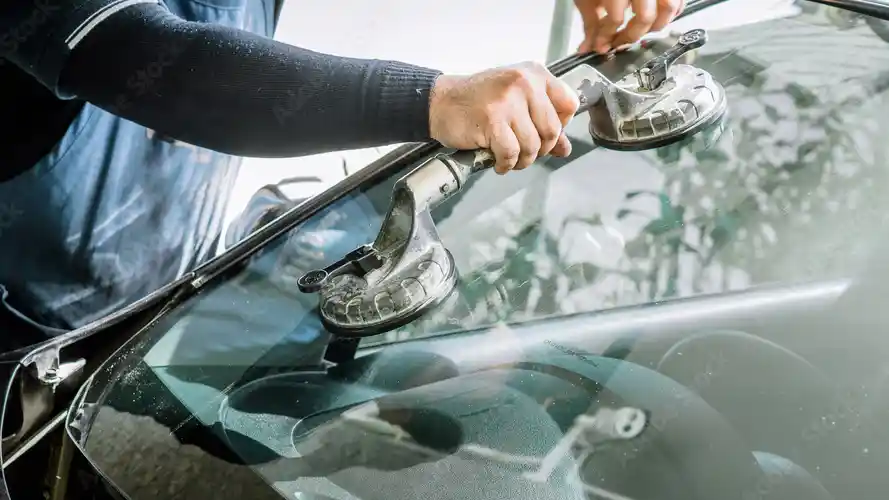
Windshield replacement cost typically ranges from $200 to $800 for most standard vehicles, but can go significantly higher for modern cars with advanced features. Vehicles equipped with ADAS systems, OEM glass, heated windshields, or luxury specifications can cost $1,000 to $2,000 or more.
The final price mainly depends on vehicle type, glass quality (OEM vs aftermarket), labor charges, and calibration requirements for safety systems. In most cases, basic cars are cheaper to repair, while luxury and feature-rich vehicles cost the most due to complex installation and recalibration needs.
| Vehicle Type | Basic Glass Cost | With ADAS / OEM Features |
|---|---|---|
| Compact Cars | $200 – $350 | $350 – $600 |
| Sedans | $225 – $400 | $400 – $650 |
| SUVs | $275 – $500 | $500 – $800 |
| Pickup Trucks | $300 – $550 | $550 – $900 |
| Luxury Vehicles | $500 – $900 | $900 – $1,500+ |
| Semi / Commercial | $600 – $1,500 | $1,500 – $2,500+ |
Why Windshield Replacement Costs Vary?
Windshield replacement cost varies because it depends on several key factors such as vehicle type, glass quality, labor charges, and technology features. Even the same vehicle model can receive different quotes depending on location and service provider.
Modern vehicles equipped with ADAS features (like lane assist cameras, rain sensors, and collision warning systems) require recalibration after windshield replacement, which increases the total cost. In addition, OEM glass is more expensive than aftermarket glass, and availability of parts can also impact pricing.
Because of these combined factors, it is common to see significant price differences for the same type of windshield replacement. Understanding these variables helps customers compare quotes more accurately and avoid overpaying.
Key Factors Affecting Windshield Replacement Cost
Based on our experience analyzing auto glass replacement trends and real-world pricing patterns, windshield replacement cost depends on several key factors. These include vehicle type, glass quality, safety systems, labor charges, damage severity, and location. Each factor directly influences the final repair or replacement price.
#1. Vehicle Type
Larger and more complex vehicles cost more to repair.
- Compact cars = lowest cost
- SUVs = mid-range cost
- Luxury cars & trucks = highest cost
- Bigger and curved glass increases labor and material cost
#2. Glass Type (OEM vs Aftermarket)
Glass choice is one of the biggest cost factors.
- OEM glass: exact factory match, higher price
- Aftermarket glass: cheaper alternative, variable quality
- OEM is preferred for modern and premium vehicles
#3. ADAS Features
Advanced safety systems increase cost due to required recalibration.
- Includes lane assist, collision warning, rain sensors
- Requires calibration after windshield replacement
- Adds $100–$400+ to total cost
- Essential for safety and system accuracy
#4. Labor Costs
Labor pricing varies by region and service type.
- Urban areas = higher cost
- Rural areas = lower cost
- Mobile service may include extra charges
- Complex installations take more time
#5. Vehicle Brand
Luxury vehicles cost more due to advanced technology.
- BMW, Mercedes, Audi, Tesla = higher cost
- Requires specialized installation
- More sensors and features increase complexity
#6. Type of Damage
Repair vs replacement depends on severity.
- Chip repair: $50–$150
- Standard replacement: $200–$800+
- Large or spreading cracks require full replacement
#7. Special Features
Extra features increase cost and complexity.
- Heated windshields
- HUD (Head-Up Display)
- Acoustic / UV protection glass
- More features = higher price
#8. Location & Availability
Local market conditions affect final pricing.
- Rare models cost more
- Special-order glass increases price
- Shipping and availability delays add cost
- Regional labor rates vary
Windshield replacement cost varies mainly due to vehicle type, glass selection (OEM vs aftermarket), ADAS calibration needs, labor rates, and part availability. Standard replacements are cheaper, while modern vehicles with safety sensors and luxury features significantly increase total cost.
Windshield Replacement Cost by Vehicle Type
| Vehicle Type | Examples | Typical Cost | Key Reasons |
|---|---|---|---|
| Compact Cars | Toyota Corolla Honda Civic Hyundai Elantra Nissan Sentra | $200 – $650 | Smaller windshield size Fewer sensors Easier installation High aftermarket availability |
| SUVs | Toyota RAV4 Honda CR-V Ford Explorer Jeep Grand Cherokee | $300 – $1,200 | Larger glass area ADAS integration Complex shape Higher labor time |
| Luxury Vehicles | BMW Mercedes-Benz Audi Tesla | $700 – $2,000+ | OEM glass requirement ADAS + HUD systems Acoustic glass Specialized installation |
| Semi Trucks | Freightliner Cascadia Volvo VNL Kenworth T680 Peterbilt 579 | $900 – $3,500+ | Very large windshield panels Heavy-duty laminated glass Roadside installation Downtime cost |
Insurance Coverage for Windshield Replacement
Insurance can significantly reduce windshield replacement cost, especially when the damage is covered under a comprehensive policy. In many cases, drivers may pay little or nothing out of pocket depending on their coverage and deductible.
Comprehensive Coverage
Comprehensive auto insurance typically covers windshield damage that is not caused by a collision. It is the most common type of coverage used for glass repair or replacement.
- Road debris and flying stones
- Vandalism or intentional damage
- Weather events (hail, storms, etc.)
- Falling objects (branches, construction debris)
This coverage helps protect drivers from unexpected windshield repair expenses.
Glass Coverage Add-On
Some insurance providers offer an optional full glass coverage add-on for more complete protection. It is especially useful for drivers who frequently travel on highways or in high-risk areas.
- $0 deductible for glass repair or replacement
- Full windshield replacement coverage
- Mobile repair services at your location
- Faster claim processing in many cases
This add-on can reduce long-term out-of-pocket repair costs.
Deductible Impact
Your deductible directly affects how much you pay for windshield replacement.
- $0 deductible plan: No out-of-pocket cost
- $500 deductible: You pay first $500
- $1,000 deductible: You may pay most or all of the cost
In many cases, small chip repairs are paid directly by drivers to avoid filing a claim and increasing deductible usage.
Will Insurance Increase Premium?
A common concern is whether filing a windshield claim will increase insurance premiums. In most cases, a single windshield claim under comprehensive coverage does not significantly increase your premium, since glass claims are generally considered low-risk.
However, insurance companies may review your claim history. Multiple glass claims within a short period can sometimes lead to higher renewal rates or reduced discounts, depending on the insurer and policy.
Windshield coverage is designed to reduce unexpected repair costs and encourage timely replacement for safety. Understanding your policy—especially your deductible and glass coverage options—can help you manage long-term expenses more effectively.
Repair vs Replacement: Which One Do You Need?
Not every windshield damage automatically requires a full replacement. In many cases, a quick repair is enough to restore strength and visibility. However, when the damage is severe or located in a critical area, replacement becomes the only safe option.
Repair is Possible When:
Windshield repair is suitable for minor damage that has not spread and does not compromise structural safety. It is a fast and cost-effective solution, usually completed in under an hour.
- Chip is smaller than a quarter
- Crack is under 6 inches in length
- Damage is not in the driver’s direct line of vision
- Outer layer of glass is only affected (not inner layer)
- No contamination like dirt or moisture inside the crack
- Cost: $50 – $150
- Time required: 20–60 minutes
- Best benefit: Prevents crack from spreading and avoids full replacement
Replacement is Required When
Full windshield replacement is necessary when the damage affects structural integrity, visibility, or safety systems. Modern vehicles especially require replacement when ADAS sensors are involved.
- Crack is spreading or extending over time
- Damage reaches the edge of the windshield
- Multiple impact points or spider-web cracking
- Deep damage affecting both glass layers
- ADAS camera or sensor area is damaged or obstructed
- Result: Full windshield replacement required
- Reason: Repair would not restore safety or clarity
- Additional step: ADAS recalibration may be needed after installation
Repairing minor wear and tear is a quick and inexpensive solution, but replacement becomes necessary when safety, visibility, or structural integrity is compromised. Addressing minor scratches or cracks promptly can help avoid the need for a costly full replacement later.
ADAS Calibration and Its Impact on Cost
Modern vehicles rely heavily on windshield-mounted cameras and sensors that support advanced safety features. After windshield replacement, these systems must be recalibrated to ensure accurate performance and safe driving.
Why Calibration is Necessary
- Ensures lane assist works accurately
- Maintains reliable collision detection
- Prevents false warnings or unintended braking/steering issues
#1. Static Calibration
- Performed in a controlled workshop environment
- Uses specialized targets and diagnostic tools
- Requires precise positioning of the vehicle
#2. Dynamic Calibration
- Performed while driving on the road
- Requires specific speed and road conditions
- System adjusts using real-time driving data
Cost Range
- Standard calibration: $100 – $400
- Luxury or advanced systems: $500+
ADAS calibration is now an essential step in windshield replacement for modern vehicles, ensuring all safety systems function correctly after installation.
Mobile Windshield Replacement vs Auto Shop
When replacing a windshield, drivers usually have two options: mobile service or visiting an auto glass shop. Both offer the same core repair, but they differ in convenience, cost, and working conditions.
#1. Mobile Windshield Replacement
Mobile service means the technician comes to your home, office, or roadside location to replace the windshield on-site.
Advantages
- High convenience (no travel needed)
- Ideal for busy schedules
- Useful for minor-to-moderate damage situations
- Often includes same-day service
Limitations
- Weather-dependent (rain, dust, heat can affect installation)
- Limited equipment compared to shop setup
- May not be suitable for complex ADAS calibrations in all cases
Cost Impact
- Usually adds $25 – $100 service fee
- Emergency roadside service can cost more
Auto Shop Windshield Replacement
This involves taking the vehicle to a professional repair facility for replacement.
Advantages
- Controlled indoor environment for precise installation
- Better equipment for complex jobs
- Ideal for ADAS recalibration and luxury vehicles
- Higher quality control and curing conditions
Limitations
- Requires travel and waiting time
- Less convenient than mobile service
- May require appointment scheduling
Cost impact
Generally no extra service fee
Sometimes slightly cheaper than mobile service
Comparison
- Mobile service = convenience + slight extra cost
- Auto shop = precision + better for complex replacements
Both options deliver the same end result, but mobile replacement is best for convenience, while auto shop service is preferred for precision work, luxury vehicles, and advanced ADAS-equipped windshields.
OEM vs Aftermarket Windshields
When replacing a windshield, one of the biggest decisions is choosing between OEM and aftermarket glass. Both options serve the same purpose, but they differ in quality, price, and performance.
OEM Windshields
OEM (Original Equipment Manufacturer) windshields are made by the same company that supplied the original glass for the vehicle. They offer the highest level of quality, precision, and compatibility, especially for modern cars with ADAS systems. However, they come at a higher price compared to aftermarket options.
- Exact factory specifications
- Perfect fit and finish
- Best compatibility with ADAS features
- Higher cost
Aftermarket Windshields
Aftermarket windshields are produced by third-party manufacturers and are designed to fit multiple vehicle models. They are more affordable and widely available, making them a popular choice for budget-conscious repairs, though quality may vary slightly.
- Lower cost option
- Widely available
- May have slight variation in fit or tint
- Quality depends on manufacturer
How to Save Money on Windshield Replacement
Windshield replacement can be expensive, especially for modern vehicles with ADAS features. However, there are several smart ways to reduce your out-of-pocket cost without compromising safety or quality.
- Repair Small Chips Early
- Compare Multiple Quotes
- Use Insurance Coverage
- Choose Aftermarket Glass (When Suitable)
- Avoid Emergency Mobile Services
- Replace Damage Before It Spreads
Final Thoughts
Understanding windshield replacement cost helps you make informed decisions and avoid overpaying. Always compare quotes from multiple providers and check your insurance coverage before proceeding. In many cases, early repair of small chips can prevent a costly full replacement.
Frequently Asked Questions (FAQs)
Here are some FAQs for windshield replacement to help you understand costs, insurance coverage, and repair options in detail.
Q. What is the average windshield replacement cost?
It usually ranges from $200 to $1,500 depending on the vehicle type, glass quality, and added features.
Q. Does insurance cover windshield replacement?
Yes, most comprehensive insurance policies cover windshield damage either fully or partially, depending on your deductible and coverage plan.
Q. Why are luxury windshields more expensive?
Luxury windshields cost more due to OEM glass requirements, advanced ADAS systems, and the need for precise calibration after installation.
Q. How long does windshield replacement take?
The process usually takes around 1–3 hours, along with additional curing time before the vehicle is safe to drive.
Q. Can I drive immediately after replacement?
No, most vehicles require a waiting period of about 30–60 minutes or longer to allow the adhesive to properly set.
Q. What is ADAS recalibration cost?
ADAS recalibration typically costs between $100 and $400 depending on the vehicle type and system complexity.
Q. Is mobile windshield replacement safe?
Yes, it is safe when performed by certified and experienced technicians using proper tools and weather conditions.
Q. What is cheaper: repair or replacement?
Windshield repair is significantly cheaper, usually costing between $50 and $150 for minor chips or cracks.
Q. Do semi trucks require special windshields?
Yes, semi trucks use heavy-duty laminated glass designed to withstand larger surfaces and demanding road conditions.
Q. When should a windshield be replaced?
A windshield should be replaced when the damage is too large, spreading, or affects visibility and safety systems.