
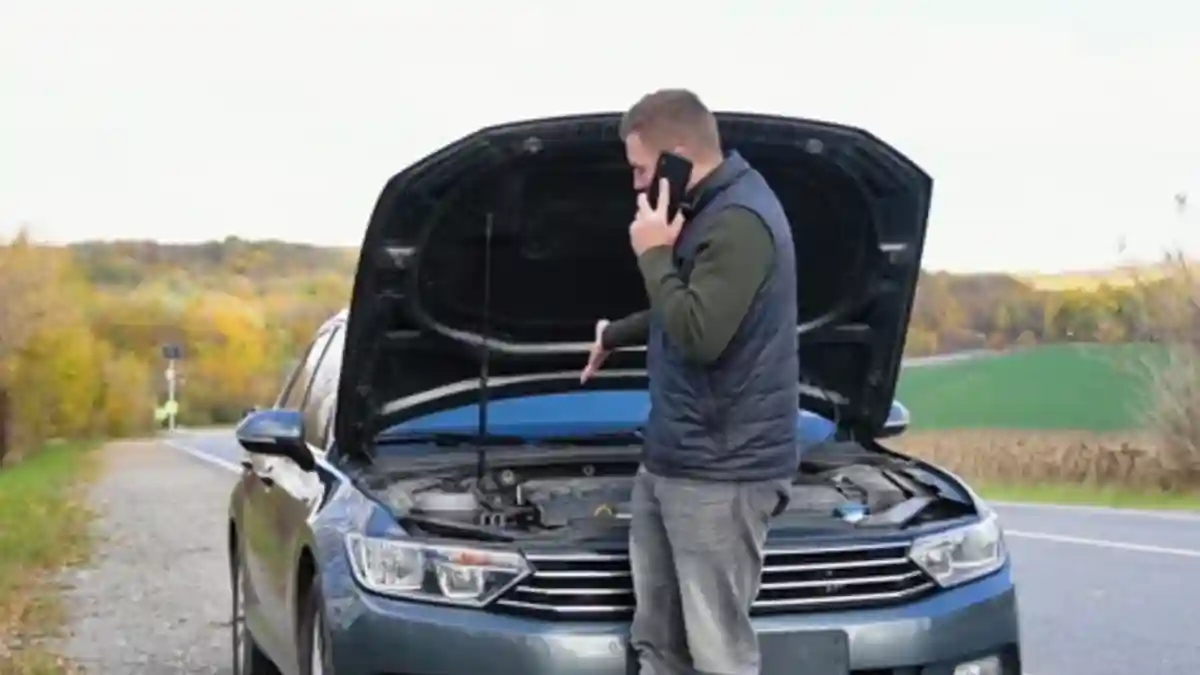
Experiencing jerks or shakes when pressing the accelerator is not just annoying—it can be dangerous. Jerking affects driving comfort, vehicle control, and in some cases, safety. Many car owners encounter this problem at least once, but few understand the underlying causes or how to address them effectively.
In this comprehensive guide, we’ll cover the main reasons cars jerk during acceleration, provide detailed fixes (DIY and professional), and give realistic cost estimates so you know what to expect before visiting a mechanic.
Understanding Car Jerking When Acceleration
Car jerking, sometimes described as engine hesitation, stuttering, or shaking, occurs when the vehicle does not accelerate smoothly. Drivers often notice the jerking in specific conditions, such as:
- Low-speed acceleration: Often points to fuel delivery or ignition issues.
- High-speed acceleration or uphill driving: Typically indicates transmission or load-related problems.
- Frequent, strong jerks: Suggest a more serious underlying problem like engine misfire or transmission wear.
It’s important to recognize that jerking can range from minor (barely noticeable) to severe (affecting control). Ignoring the issue can worsen damage and lead to higher repair costs.
Common Causes of Car Jerking When Accelerating (With Defective Parts)
Car jerking during acceleration is a frustrating issue that can happen due to a variety of reasons, ranging from minor maintenance problems to serious mechanical failures. It not only affects driving comfort but can also pose safety risks if left unaddressed.
Understanding the root cause helps you decide whether it can be fixed at home or requires professional intervention. Below, we explain the main causes of car jerking, the defective parts usually responsible, and the symptoms to look out for.
#1. Fuel System Problems
The fuel system is responsible for delivering the correct amount of fuel to the engine at all times. Any inconsistency in fuel flow can cause the engine to hesitate, stumble, or jerk during acceleration. This issue is particularly noticeable when the car is under load, such as during uphill driving, overtaking, or rapid acceleration. Over time, fuel components can degrade or become clogged, disrupting the smooth flow of fuel and affecting engine performance.
Defective Parts
- Fuel Filter: Over time, the fuel filter accumulates dirt and debris, restricting fuel flow and reducing engine responsiveness.
- Fuel Pump: A weak or failing fuel pump cannot maintain consistent fuel pressure, causing intermittent jerking.
- Fuel Injectors: Dirty or partially clogged injectors spray fuel unevenly, leading to improper combustion and engine hesitation.
Symptoms
- Engine hesitation or sputtering during acceleration
- Reduced engine power, especially at higher speeds
- Jerking or stuttering when the car is under load
Extra Tip: Regularly using high-quality fuel and replacing the fuel filter on schedule can prevent most fuel system-related jerking issues.
#2. Ignition System Issues
The ignition system ensures that the fuel-air mixture ignites properly inside the engine cylinders. When this system malfunctions, it can result in misfires that cause jerks or stutters while accelerating. Ignition issues may be intermittent, making the problem difficult to predict or diagnose without proper inspection.
Defective Parts
- Spark Plugs: Worn, dirty, or fouled spark plugs produce weak sparks, leading to incomplete combustion and jerking.
- Ignition Coils: Faulty coils prevent cylinders from firing correctly, causing engine hesitation and misfires.
Symptoms
- Rough idle or engine shaking when stationary
- Difficulty starting the engine
- Engine misfire codes on the diagnostic system (e.g., P0300–P0308)
Extra Tip: Replacing spark plugs and testing ignition coils as part of regular maintenance ensures smooth acceleration and prevents jerking caused by ignition failure.
#3. Transmission Problems
The transmission is a key system that transfers power from the engine to the wheels. Any malfunction can result in jerking, especially during gear changes or acceleration. Automatic and manual transmissions experience these issues differently, but both affect overall vehicle performance.
Defective Parts
- Transmission Fluid: Low or degraded fluid in automatic transmissions can cause rough or delayed gear shifts, resulting in jerking.
- Clutch (Manual Transmission): Worn or misadjusted clutch plates prevent smooth engagement, causing uneven acceleration.
- Transmission Internals: Worn gears, torque converters, or other internal components can create sudden lurches or stuttering.
Symptoms
- Hesitation or shuddering during gear shifts
- Jerking under load or when accelerating from a stop
- Difficulty maintaining speed or sudden speed fluctuations
Extra Tip: Checking transmission fluid levels, performing regular fluid changes, and inspecting the clutch can reduce jerking caused by transmission issues.
#4. Air Intake and Sensor Malfunctions
Modern cars rely heavily on sensors to maintain the correct air-fuel ratio for smooth engine operation. Malfunctions in the air intake system or sensors can lead to jerking during acceleration because the engine receives incorrect data, disrupting fuel delivery.
Defective Parts
- Air Filter: A clogged or dirty air filter restricts airflow, causing the engine to run inefficiently.
- MAF (Mass Air Flow) Sensor: Sends inaccurate data about air intake to the ECU, leading to improper fuel mixture.
- Throttle Position Sensor (TPS): Misreads throttle input, resulting in uneven acceleration.
Symptoms
- Poor throttle response or hesitation when pressing the accelerator
- Engine stutters or jerks intermittently
- Check engine light illuminated on the dashboard
Extra Tip: Cleaning or replacing the air filter and sensors periodically can maintain smooth performance and prevent jerking caused by sensor issues.
#5. Engine and Mechanical Issues
Mechanical issues within the engine or supporting systems can also lead to jerking. Problems like vacuum leaks or worn engine mounts disrupt normal engine operation, causing vibrations or sudden movements that are felt while accelerating.
Defective Parts
- Vacuum Hoses: Cracked or leaking hoses allow unmetered air into the engine, disturbing the fuel-air ratio.
- Engine Mounts: Worn or broken mounts allow excessive engine movement, making jerking more noticeable.
- Timing Components: Worn timing belts or chains affect engine timing, causing misfires and hesitation during acceleration.
Symptoms
- Excessive engine vibration felt in the cabin
- Knocking or unusual engine noises during acceleration
- Jerking especially during rapid acceleration or under load
Extra Tip: Mechanical problems often worsen over time. Regular inspections of hoses, mounts, and timing components can prevent severe damage and costly repairs.
How to Diagnose Car Jerking When Accelerating
Before attempting any fixes, it’s important to identify the cause of jerking. This ensures you target the correct system—fuel, ignition, transmission, air intake, or engine components.
Quick Diagnosis Steps
- Check Engine Codes: Use an OBD2 scanner to find misfire or sensor codes.
- Observe Driving Conditions: Note if jerking happens at idle, low speed, high speed, or uphill.
- Visual Inspection: Look for damaged spark plugs, ignition coils, clogged air filter, or vacuum leaks.
- Listen and Feel: Pay attention to unusual noises, vibrations, or clutch/gear issues.
- Fuel & Air Check: Ensure fuel pump and injectors work properly; air filter and sensors (MAF, TPS) are clean.
Once the cause is identified, you can move to the specific fixes for each system.
How to Fix Car Jerking When Accelerating
Car jerking during acceleration is often a sign that your vehicle is not performing efficiently. It can happen due to problems in the fuel system, ignition system, transmission, air intake, or engine components. Correctly identifying the cause is essential to apply the right fix. Some fixes can be done at home, while others require professional attention.
#1. Fuel System Fixes
Jerking caused by fuel problems occurs when the engine does not receive the proper amount of fuel. This can happen due to a clogged fuel filter, weak fuel pump, or dirty fuel injectors.
- Clogged fuel filter reduces fuel flow.
- Weak fuel pump causes inconsistent fuel pressure.
- Dirty fuel injectors affect combustion efficiency.
Fixes
Inspect the fuel filter for dirt or clogging and replace if necessary. Check the fuel pump by listening for the humming sound when turning the key to “ON”; if weak or absent, it may need professional replacement. Clean or replace fuel injectors if they are clogged or dirty. Ensuring proper fuel delivery restores smooth acceleration.
#2. Ignition System Fixes
Jerking from ignition problems occurs when spark plugs or ignition coils fail to ignite the fuel-air mixture properly. Misfires cause the engine to hesitate, especially under load.
- Worn or fouled spark plugs cause misfires.
- Faulty ignition coils prevent cylinder firing.
- Engine misfire codes (P0300–P0308) indicate issues.
Fixes
Inspect spark plugs for wear or carbon buildup and replace them as recommended by the manufacturer. Test ignition coils using a multimeter or consult a mechanic, replacing any faulty ones. Use an OBD2 scanner to identify misfiring cylinders and repair or replace components accordingly. These steps restore consistent ignition and eliminate jerking.
#3. Transmission-Related Fixes
Transmission issues can cause jerking when shifting gears or during acceleration. Both automatic and manual transmissions may exhibit these symptoms.
- Low or dirty transmission fluid leads to rough shifts.
- Worn clutch plates cause uneven engagement (manual).
- Internal transmission damage affects smooth power delivery.
Fixes
Check automatic transmission fluid levels and condition; top up or replace if dirty. Inspect the clutch in manual cars; worn plates should be professionally replaced. For internal transmission issues like worn gears or torque converter problems, consult a mechanic. Repairing these components eliminates jerking during gear changes.
#4. Air Intake and Sensor Fixes
Jerking can occur when the engine receives incorrect air-fuel mixture information due to sensor issues or airflow restrictions.
- Clogged air filter restricts airflow.
- Dirty or faulty Mass Air Flow (MAF) sensor causes incorrect readings.
- Faulty Throttle Position Sensor (TPS) disrupts fuel delivery.
Fixes
Replace or clean the air filter if it is dirty. Clean the MAF sensor using a dedicated sensor cleaner to ensure accurate readings. Test the TPS with a multimeter and replace it if faulty. Correcting airflow and sensor problems restores smooth engine acceleration.
#5. Engine and Mechanical Fixes
Mechanical issues like vacuum leaks, worn engine mounts, or timing belt problems can cause jerking. These issues affect engine stability and timing.
- Cracked or leaking vacuum hoses disturb air-fuel ratio.
- Worn engine mounts allow excessive movement.
- Timing belt/chain misalignment affects engine timing.
Fixes
Inspect vacuum hoses for cracks or leaks and replace as needed. Check engine mounts; worn mounts should be professionally replaced. Inspect the timing belt or chain and replace according to the manufacturer’s schedule. These fixes stabilize the engine and eliminate jerking during acceleration.
Estimated Cost of Fixing Car Jerking When Accelerating
Knowing the potential cost helps plan repairs and avoid surprises. The price varies depending on the cause and whether you do it yourself or hire a professional.
Fuel System
- Fuel filter replacement: $20–$50 (DIY)
- Fuel pump replacement: $400–$800 (professional)
- Fuel injector cleaning/replacement: $50–$300
Ignition System
- Spark plug replacement: $50–$150 (DIY)
- Ignition coil replacement: $100–$300 per coil (professional)
Transmission
- Transmission fluid change: $100–$250
- Clutch replacement (manual): $500–$1,200
- Major transmission repair: $800–$2,500
Air Intake & Sensors
- Air filter replacement: $20–$50
- MAF sensor cleaning/replacement: $50–$200
- TPS replacement: $100–$250
Engine & Mechanical
- Vacuum hose replacement: $50–$150
- Engine mounts replacement: $200–$600
- Timing belt/chain replacement: $300–$800
Prevention Tips
Regular maintenance can prevent jerking issues and keep your car running smoothly:
- Use high-quality fuel and avoid running the tank low frequently.
- Replace spark plugs every 30,000–50,000 miles.
- Inspect and clean air filters and sensors every 20,000–30,000 miles.
- Check transmission fluid regularly and follow manufacturer schedules.
- Inspect engine mounts, vacuum hoses, and timing components during routine service.
Conclusion
Car jerking when accelerating can stem from several issues, including fuel system problems, ignition issues, transmission troubles, sensor malfunctions, or mechanical failures. Proper diagnosis is the first step, followed by targeted fixes. By addressing the problem early and maintaining your vehicle regularly, you can prevent jerking, improve performance, and avoid costly repairs.
Frequently Asked Questions (FAQs)
To help you understand and fix car jerking during acceleration, here are some common questions and answers
Q.Why does my car jerk only when accelerating?
Car jerking during acceleration usually happens when the engine is not receiving proper fuel, air, or ignition. Common causes include clogged fuel injectors, faulty spark plugs, or transmission issues.
Q. Can a dirty fuel filter cause jerking?
Yes. A clogged fuel filter restricts fuel flow, leading to hesitation or jerking when you press the accelerator. Replacing the filter often fixes the issue.
Q. How do I know if my spark plugs are causing the jerking?
If your engine misfires, idles roughly, or triggers a check engine light, spark plugs may be worn or fouled. Inspect and replace them if necessary.
Q. Can transmission problems cause jerking?
Absolutely. Low or dirty transmission fluid, worn clutch plates (manual), or internal transmission damage can all cause jerking during acceleration.
Q. Is it safe to drive a car that jerks?
Driving a jerking car can be unsafe, especially if it affects control or happens at high speed. It’s best to diagnose and fix the issue promptly.
Q. Can sensors like MAF or TPS cause jerking?
Yes. A faulty Mass Air Flow (MAF) sensor or Throttle Position Sensor (TPS) can send incorrect data to the engine, disrupting the fuel-air mixture and causing jerking.
Q. How much does it cost to fix car jerking?
The cost depends on the cause. Simple fixes like air filter or spark plug replacement cost $20–$150, while major repairs like fuel pump or transmission issues can cost $400–$2,500.
Q. Can I fix car jerking myself?
Some fixes, like replacing air filters or spark plugs, can be DIY. However, fuel pumps, transmission, or major engine repairs should be handled by professionals.
Q. How can I prevent my car from jerking in the future?
Regular maintenance, including fuel system cleaning, spark plug replacement, air filter and sensor inspection, and timely transmission checks, helps prevent jerking and keeps your car smooth.