
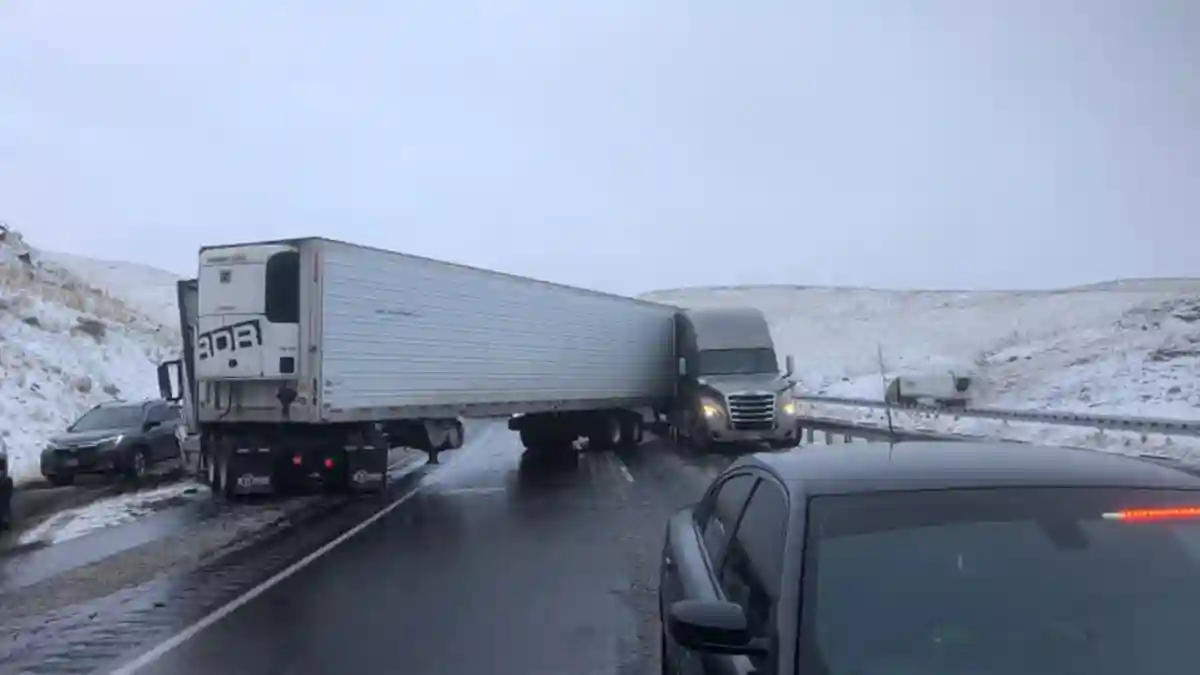
If your trailer’s brakes aren’t working, it’s not just inconvenient—it’s dangerous, especially at high speeds. A malfunctioning brake can push the towing vehicle, cause swaying, or result in a complete loss of control. Even a small trailer can be hazardous if its brakes fail. Always inspect the trailer brakes before towing, and never assume they are functioning properly.
This article covers the common causes of trailer brake failure, how to diagnose problems, step-by-step repair instructions, and preventive maintenance tips for both electric and hydraulic systems.
Why Your Trailer Brakes Are Not Working?
If your trailer brakes are not working, it could be due to loose or corroded electrical connections, worn brake pads, faulty wiring, blown fuses, malfunctioning brake controllers, worn magnets, or incorrect brake light signals. Identifying the exact cause is essential to safely restore proper braking and prevent accidents while towing.
Let’s take a closer look at the causes of trailer brakes not working, so you can identify the issue and take the necessary steps to fix it.
#1. Loose Electrical Connections
Most trailers have electric brakes. So if your trailer brakes are not working, the first thing you should do is check the electrical connections between the tow vehicle and the trailer and make sure that the electrical connections between the towing vehicle and the trailer are not loose.
Because loose or corroded connections can cause the trailer brakes to fail, also, make sure that your trailer is securely connected to the towing vehicle. Any trailer brake wiring system wears out after long periods of use, and if you are driving the trailer on rough roads, these connections may become loose due to the shaking.
#2. Blown Fuse
As you might know, the fuse box is installed to protect the electrical operation of the towing vehicle and the trailer and prevent any other short circuits. Where fuses related to the tow brake system and other functions are installed. But sometimes the fuse related to the electrical supply between the towing vehicle and the trailer blows and the trailer brakes may be unable to work.
Because a blown fuse causes no power supply. So when your trailer brakes are not working, don’t forget to check the trailer brake system fuses.
#3. Faulty Brake Controller
In many cases, a faulty brake controller can also cause trailer brakes not working. Because a faulty brake controller is unable to send electrical output signals to the trailer brake unit,
Many times, drivers forget to set the brake controller to the correct setting according to the trailer weight and braking requirements. Because the wrong setting of the brake controller can impair the functioning of the trailer brakes,.
#4. Worn Brake Pads
If the trailer brake pads are too worn, then this can also be a reason for the brakes not working. The worn brake pads do not apply pressure properly to the brake drum or rotor, so the brake pads lose friction or grip and the worn brake pads are unable to slow down or completely stop the rotating trailer wheel.
#5. Brake Fluid Problems
If your trailer has hydraulic brakes, check the brake fluid level in the master cylinder. Sometimes the brake master cylinder gets damaged or leaks, causing brake fluid to leak and the brake fluid level to drop.
So, when the brakes are applied, the hydraulic brake system does not generate the proper hydraulic pressure, causing the trailer brakes to not work. Also, leaking brake fluid in the hydraulic brake system can also cause this problem.
#6. Faulty or Worn Magnets
If you press the brake pedal on the towing vehicle and all electrical connections to the trailer’s brake system are properly connected, but if you still don’t see any response in the trailer brakes, the magnets in your trailer’s brake system are probably faulty.
This is because when an electrical signal is sent from the towing vehicle’s control unit to the trailer brake unit, the magnets in the trailer’s brake system are activated, which push the brake pads toward the drum, causing friction between the brake pads and the drum. But when the trailer brake system has faulty magnets, these can also cause the brakes to not work.
#7. Corroded Grounding Connection
Many a times, due to prolonged use, the trailer’s grounding connections get damaged due to water or weather effects. If your trailer’s grounding connection is faulty or damaged, your trailer’s brakes may also not work properly.
A poor grounding connection will not be able to properly transmit the electrical signal from the towing vehicle’s brake controller to the trailer’s brake system, which will prevent the trailer brake magnets from activating. Therefore, trailer brakes may also not work due to a poor grounding connection.
How To Check and Repair Trailer Brakes That Don’t Work?
To fix trailer brakes that are not working, you first need to identify the underlying problems and then take some possible steps to resolve them.
#1. Do A General Checkup
- Ensure the trailer is securely attached to the tow vehicle.
- Press the brake pedal on the towing vehicle before moving.
- Try sliding the trailer back and forth to check for movement or looseness.
#2. Inspect The Wiring & Connections
- Check all wiring and fuses connecting the trailer brakes to the brake controller.
- Ensure all connections are secure and free from corrosion.
- Replace any damaged wires or blown fuses, as these can shut down the brake system.
#3. Check Brake Fluid Level
- Inspect the brake fluid in the trailer’s master cylinder.
- Top up if fluid is low.
- Repair any leaks around brake lines or components, as low fluid impairs braking.
#4. Check The Electric Brake Magnets
- Most trailers use electric brakes, which rely on magnets to engage the brakes.
- Test magnet resistance using a multimeter; normal resistance is usually 3–5 ohms.
- Replace magnets if readings are too high or show malfunction.
#5. Check Brake Control Settings
- Adjust the trailer brake controller to match your trailer’s weight and braking requirements.
- Incorrect settings can cause brakes to be too weak or unresponsive.
#6. Test The Brake Signal
- Use a circuit tester or multimeter to ensure the brake signal reaches the trailer brakes when the pedal is pressed.
- If no signal is received, inspect and replace the brake switch or wiring as needed.
#7. Inspect Brake Components
- Check brake shoes, springs, drums, and other components for damage or excessive wear.
- Replace any faulty or worn parts to restore proper braking performance.
Trailer Brakes Not Working But Lights Are Working
If your trailer brakes are not working but the tail lights are functioning, the issue is often due to incorrect brake controller settings or electrical problems. Before assuming a major fault, it’s important to systematically check each component of the brake system. Following these steps can help you identify and fix the problem, though it may require patience and some experience.
Steps to troubleshoot trailer brakes when lights are working:
- Check Brake Controller Settings – Ensure the controller is properly adjusted for your trailer’s weight and braking requirements. Incorrect settings can prevent the brakes from engaging.
- Inspect Wiring Connections – Look for loose, corroded, or damaged wires connecting the trailer brakes to the towing vehicle. Secure or replace any faulty wiring.
- Check Brake Magnets – Inspect electric brake magnets for wear or damage, as faulty magnets can stop brakes from functioning.
- Inspect Ground Connections – A poor or corroded ground connection can prevent electrical signals from reaching the brakes. Clean or repair grounding points if necessary.
- Check Brake Fluid Level (Hydraulic Brakes) – If your trailer uses a hydraulic system, ensure the brake fluid is at the proper level. Top up if low and repair any leaks.
By carefully following these steps, most issues where trailer brakes fail but lights work can be resolved. Remember, diagnosing brake problems can be time-consuming and sometimes requires a bit of hands-on experience.
How to Test Trailer Brake Magnets with a Multimeter?
- Disconnect Power: Before testing, safely disconnect the power wiring from your trailer brake magnets. This prevents electrical shocks and ensures that your multimeter readings are accurate. Make sure the trailer is not connected to the towing vehicle during this process.
- Set Multimeter: Set your multimeter to measure resistance (ohms). This allows you to check the electrical continuity of the brake magnet coil, which is essential for proper braking performance.
- Attach Probes: Connect one probe to each terminal of the brake magnet. Ensure the probes make firm contact to get an accurate measurement.
- Check Resistance: Observe the multimeter reading – a properly functioning brake magnet should display resistance between 3 and 5 ohms. This confirms that the coil is working correctly and can generate the magnetic force needed to engage the brakes.
- Identify Issues: Look for abnormal readings. High or low resistance indicates a potential short circuit or open circuit in the brake magnet, which can reduce braking effectiveness.
- Inspect Magnet: Visually examine the brake magnet for signs of wear, corrosion, cracks, or other physical damage. Even if the resistance appears normal, visible damage can still affect performance.
- Replace Magnet: Replace the brake magnet if it shows abnormal resistance or visible damage. Using a faulty magnet can compromise braking safety and increase the risk of accidents while towing.
Tip – Regular Maintenance: Regularly test your trailer brake magnets as part of routine DIY trailer brake maintenance. Consistent checks help prevent brake failure, ensure safe towing, and extend the life of your trailer’s braking system.
Why Are Electric Trailer Brakes Not Releasing?
If your trailer’s electric brakes are not opening, there are several possible causes that should be investigated and then worked to fix them.
- First, check the proper adjustment of your trailer’s brake control. If it is not properly adjusted, adjust it properly.
- Next, if you find any loose or corroded electrical connections, clean and tighten them and if the wires are damaged, replace them with new ones.
- Next, you should check the brake magnets. Use a multimeter to test its functioning. If the brake magnets fail the test, they replace the brake magnets with new ones.
- If your trailer’s brakes are still not opening, the problem may also be caused by a faulty brake controller, which will need to be replaced. Because a bad brake controller may be unable to send electric signals.
- You should pay attention to regular maintenance of your trailer’s brake system components. Because a lack of regular maintenance can also prevent the brakes from opening.
What to Do When Your Trailer Brakes Suddenly Fail?
- Stay Calm: The first and most important step is to remain calm. Panic can make the situation worse. Take a deep breath and focus on controlling your vehicle and trailer safely.
- Take Your Foot Off the Accelerator: Immediately ease off the accelerator to reduce speed. Do not slam on the brakes abruptly, as this may cause the trailer to push or jackknife your towing vehicle.
- Use the Tow Vehicle Brakes Gradually: Rely on your towing vehicle’s brakes to slow down the vehicle and trailer. Apply the brakes gradually in a steady, controlled manner to prevent loss of control.
- Downshift to Lower Gears: If driving a vehicle with a manual or automatic transmission, downshift to a lower gear. Engine braking will help slow the vehicle and trailer without relying solely on the brakes.
- Activate Hazard Lights: Turn on your hazard lights immediately to alert other drivers that you are slowing down or stopping unexpectedly.
- Steer to a Safe Location: Carefully guide the vehicle and trailer to the shoulder, emergency lane, or a safe open area. Avoid sudden swerving, and maintain control while slowing down.
- Use the Trailer Brake Controller (if possible): If your trailer has an electric brake controller, manually increase the braking power using the controller knob. This may help regain partial braking control.
- Do Not Tow at High Speeds: Once the trailer brakes have failed, reduce speed and avoid towing at high speeds. Continuing at normal highway speeds is extremely dangerous until the brake issue is fixed.
- Call for Help if Needed: If you cannot safely stop or the trailer continues to push your vehicle, call roadside assistance or emergency services. Do not attempt risky maneuvers to compensate for failed brakes.
- Inspect and Repair: After safely stopping, inspect the trailer brakes to identify the cause of failure—worn brake pads, faulty magnets, wiring issues, blown fuses, or brake controller problems—and repair them before towing again.
Frequently Asked Questions
Q. Why are my trailer brakes not engaging when I press the brake pedal?
Trailer brakes may fail to engage due to a faulty brake controller, loose or corroded wiring, worn brake magnets, or blown fuses. Checking these components systematically can help identify and fix the problem.
Q. What should I do if my trailer brakes feel weak or sluggish?
Weak trailer brakes are usually caused by low brake fluid, worn brake pads, or air in the brake lines. Inspect the fluid level, check the brake pads, and bleed the brake system if necessary to restore proper braking.
Q. Why do my trailer brakes lock up excessively when braking?
Excessive locking may occur due to a misadjusted brake controller, contaminated brake linings, or a faulty brake actuator. Regular maintenance and proper brake controller settings can prevent brake lock-up.
Q. How can I test if my trailer brake magnets are working?
You can test the brake magnets using a multimeter set to measure resistance (ohms). A properly functioning magnet should read 3–5 ohms. Abnormal readings may indicate a damaged or faulty magnet that needs replacement.
Q. My trailer brakes are not working but the tail lights are fine. What should I check?
This is often caused by incorrect brake controller settings, loose wiring, worn brake magnets, or poor grounding connections. Check each component carefully to restore brake functionality.
Q. How do I adjust my trailer brake controller for proper braking?
Adjust the brake controller according to your trailer’s weight and braking requirements. Most controllers have a manual adjustment dial or lever. Proper settings prevent under-braking or over-braking.
Q. Can worn brake pads prevent trailer brakes from working?
Yes, worn or damaged brake pads reduce friction on the drum or rotor, making it difficult for the brakes to slow down or stop the trailer effectively. Replace worn pads to restore proper braking.
Q. How often should I perform maintenance on trailer brakes?
Trailer brakes should be inspected and maintained at least once a year or before long trips. Regular maintenance includes checking brake fluid, brake pads, wiring, magnets, and brake controller settings to ensure safe towing.