
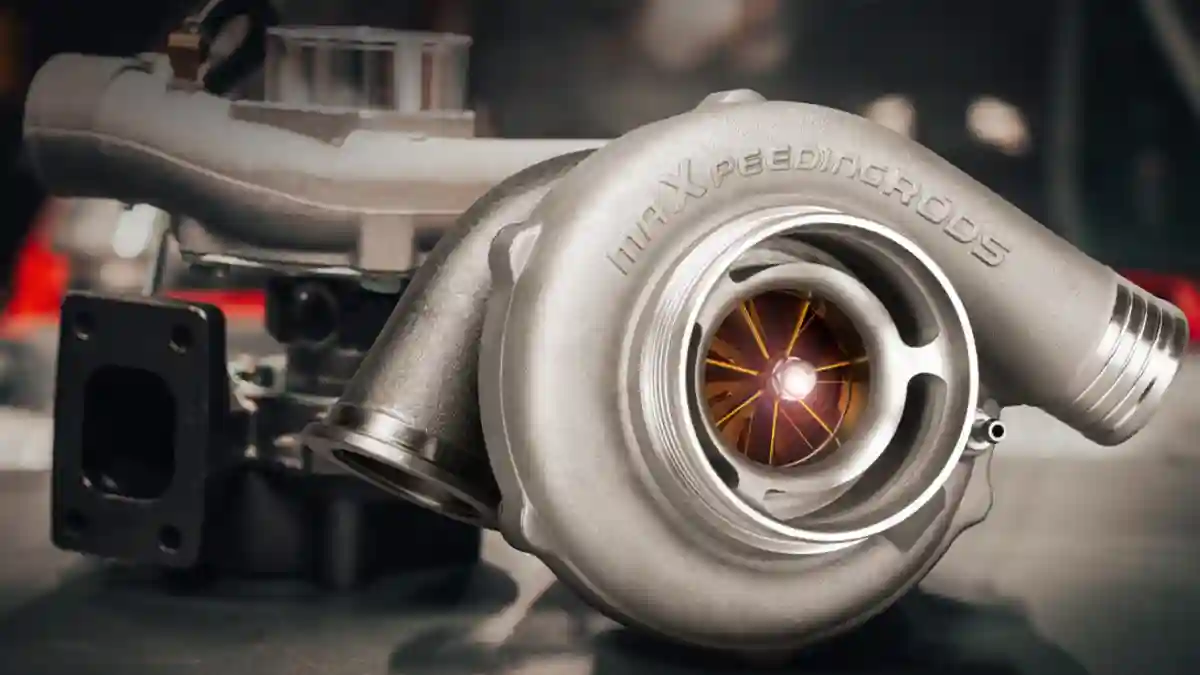
In today’s automotive world, the demand for high performance, better fuel efficiency, and lower emissions has never been greater. Whether it’s a small hatchback, a luxury sedan, a powerful SUV, or a heavy-duty truck, manufacturers are constantly looking for ways to extract more power from engines without increasing their size. This is where the turbocharger plays a crucial role.
A turbocharger is a technology that allows an engine to produce more power using the same amount of fuel, or in many cases, less fuel. Once considered exclusive to racing cars and high-performance vehicles, turbochargers are now commonly found in everyday passenger cars due to stricter emission regulations and fuel economy standards.
What Is a Turbocharger?
A turbocharger is a mechanical device that increases the power output of an internal combustion engine by forcing extra compressed air into the engine’s combustion chamber. It uses exhaust gases to spin a turbine, which in turn drives a compressor that compresses the incoming air and delivers it to the engine. This process results in increased engine power and improved efficiency.
Under normal conditions, an engine draws air naturally from the atmosphere, which limits the amount of fuel that can be burned. A turbocharger compresses the intake air, allowing more oxygen to enter the engine. With more oxygen available for combustion, the engine can burn more fuel and produce greater power output.
Why Turbochargers Are Used in Engines
Turbochargers are used in engines to improve power output, fuel efficiency, and overall engine performance. By forcing compressed air into the combustion chamber, they allow more fuel to burn efficiently, enabling smaller engines to produce higher power while reducing fuel consumption and emissions.
Turbochargers also help engines maintain consistent performance under different operating conditions and meet modern automotive regulations.
Reasons for using turbochargers include:
- Increase engine power without increasing engine size
- Improve fuel efficiency through efficient combustion
- Reduce exhaust emissions
- Enhance engine performance at high altitudes
- Help meet modern emission and fuel efficiency standards
Working Principle of a Turbocharger
The working principle of a turbocharger is based on energy recovery from exhaust gases. Instead of allowing exhaust gases to escape unused, a turbocharger converts this waste energy into useful power.
When fuel burns inside the engine cylinder, hot exhaust gases are produced. In a naturally aspirated engine, these gases are released directly into the atmosphere. In a turbocharged engine, however, the exhaust gases are directed toward a turbine, causing it to spin and generate mechanical energy.
This mechanical energy is then used to drive a compressor, which compresses fresh intake air and forces it into the engine. As a result, more oxygen enters the combustion chamber, leading to improved engine efficiency and increased power output.
Main Parts of a Turbocharger
A turbocharger is made up of several precisely engineered components that work together to increase engine power and efficiency. Each part plays a vital role in converting exhaust gas energy into compressed air for improved combustion. Understanding these components helps explain how a turbocharger operates effectively.
#1. Turbine Housing
The turbine housing is attached directly to the engine’s exhaust manifold and is usually made from heat-resistant materials such as cast iron or steel alloys. It directs hot exhaust gases toward the turbine wheel in a controlled manner.
Functions
- Channels exhaust gases efficiently toward the turbine wheel
- Converts exhaust gas energy into rotational energy
- Withstands extremely high temperatures and pressure from exhaust gases
#2. Turbine Wheel
The turbine wheel is positioned inside the turbine housing and is equipped with specially designed blades. When exhaust gases pass through the housing, they strike the blades and cause the turbine wheel to spin at very high speeds.
Functions
- Converts exhaust gas energy into mechanical rotational energy
- Drives the compressor wheel through a common shaft
- Plays a key role in determining turbo response and efficiency
#3. Compressor Housing
The compressor housing is located on the intake side of the turbocharger. It is designed to guide fresh air smoothly into the compressor wheel and then deliver the compressed air to the engine.
Functions
- Guides fresh atmospheric air into the compressor wheel
- Directs compressed air toward the engine’s intake system
- Helps maintain steady airflow and pressure
#4. Compressor Wheel
The compressor wheel draws in air from the atmosphere and compresses it before sending it to the engine’s combustion chamber. It rotates at the same speed as the turbine wheel.
Functions
- Increases air pressure and air density
- Supplies more oxygen for efficient combustion
- Improves engine power output and performance
#5. Center Housing (Bearing Housing)
The center housing, also known as the bearing housing, is the core of the turbocharger. It connects the turbine side and the compressor side and supports the rotating shaft.
Functions
- Houses the shaft connecting the turbine and compressor wheels
- Contains bearings that allow smooth and stable rotation
- Allows engine oil and coolant to flow for lubrication and cooling
#6. Shaft
The shaft is a strong, lightweight component that connects the turbine wheel to the compressor wheel. It transfers energy between the two sides of the turbocharger.
Functions
- Transfers rotational energy from the turbine wheel to the compressor wheel
- Rotates at extremely high speeds, often exceeding 200,000 RPM
- Maintains synchronized operation between turbine and compressor
#7. Bearings
Bearings support the shaft and reduce friction during high-speed rotation. Proper bearing performance is essential for turbocharger durability and efficiency.
Types of Bearings:
- Journal bearings: Common and cost-effective, using engine oil for lubrication
- Ball bearings: Provide faster response and reduced friction but are more expensive
#8. Wastegate
The wastegate is a control valve that regulates the amount of exhaust gas entering the turbine. It prevents the turbocharger from producing excessive boost pressure.
Functions:
- Controls turbocharger speed
- Prevents over-boosting and engine damage
- Maintains safe and stable engine operation
#9. Intercooler (External Component)
An intercooler is an external component installed between the turbocharger and the engine. It cools the compressed air before it enters the combustion chamber.
Functions:
- Reduces the temperature of compressed air
- Increases air density for better combustion
- Improves engine efficiency, performance, and reliability
How a Turbocharger Works (Step-by-Step)
A turbocharger works by harnessing exhaust gases to increase engine power and efficiency. It recycles energy that would otherwise be wasted and uses it to compress incoming air, allowing the engine to burn more fuel and produce more power. Here’s a step-by-step explanation:
- Exhaust Gas Generation – When fuel burns inside the engine cylinder, it produces hot exhaust gases. In a naturally aspirated engine, these gases are released into the atmosphere, wasting energy. A turbocharged engine, however, uses this energy to power the turbine.
- Turbine Rotation – The hot exhaust gases flow into the turbine housing, striking the turbine wheel blades. The force of the gases causes the turbine wheel to spin at extremely high speeds.
- Shaft Rotation – The turbine wheel is connected to a shaft, which also spins the compressor wheel on the intake side. This transfers the energy from the exhaust gases to compress the incoming air.
- Air Compression – The compressor wheel draws in fresh air from the atmosphere and compresses it. Compressing the air increases its density, meaning more oxygen is available for combustion.
- Intercooling – Compressed air heats up during compression. Before entering the engine, it passes through an intercooler, which cools it down. Cooler air is denser, allowing even more oxygen into the combustion chamber.
- Air Intake – The cooled, dense air enters the engine’s cylinders. With more oxygen available, the engine can burn more fuel more efficiently.
- Increased Power Output – The combination of more air and more fuel produces a more powerful explosion in the cylinder, resulting in higher engine power and improved performance.
In Short: a turbocharger converts wasted exhaust energy into extra power by compressing air, improving efficiency, and boosting engine performance without increasing engine size.
Types of Turbochargers
Turbochargers come in different types, each designed to meet specific performance needs. The main differences lie in how they manage air flow, reduce turbo lag, and provide power across different engine speeds. Understanding the types helps in choosing the right turbo system for a vehicle or application.
#1. Single Turbocharger
A single turbocharger uses one turbine and one compressor to boost engine performance. It is the simplest and most common type of turbocharger.
Advantages
- Simple and cost-effective design
- Easier to maintain
- Reliable for everyday driving
Disadvantages
- Turbo lag can be noticeable at low engine speeds
- Limited performance flexibility
- Applications: Passenger cars, light-duty trucks, and small diesel engines
#2. Twin Turbocharger
Twin turbos use two turbochargers to improve performance. There are two main configurations:
- Parallel twin turbo: Both turbos operate simultaneously, each handling half the engine cylinders.
- Sequential twin turbo: One small turbo operates at low RPM for quick response, and a larger turbo kicks in at higher RPM for more power.
Advantages:
- Reduces turbo lag
- Provides smoother power delivery across the RPM range
Disadvantages:
- More complex and expensive
- Higher maintenance requirements
- Applications: Sports cars, performance sedans, and high-performance diesel engines
#3. Variable Geometry Turbocharger (VGT)
A VGT has adjustable turbine vanes that control exhaust gas flow to the turbine wheel. This allows the turbo to provide optimal boost at all engine speeds.
Advantages:
- Minimal turbo lag
- Excellent low-speed and high-speed performance
- More efficient than fixed-geometry turbos
Disadvantages:
- Expensive and mechanically complex
- Requires precise control systems
- Applications: Modern diesel engines, high-performance passenger cars
#4. Twin-Scroll Turbocharger
A twin-scroll turbo separates exhaust gas pulses from different cylinders using two separate channels. This improves turbine efficiency and reduces lag.
Advantages:
- Faster spool-up and quicker response
- Better throttle performance
- Improved fuel efficiency
Disadvantages:
- More complex exhaust manifold design
- Slightly higher cost than single turbos
- Applications: Performance cars, turbocharged gasoline and diesel engines
#5. Electric Turbocharger
An electric turbocharger uses an electric motor to spin the compressor wheel, either alone or alongside traditional exhaust-driven turbines. This eliminates or significantly reduces turbo lag.
Advantages:
- Almost zero turbo lag
- Better fuel efficiency
- Can operate independently of exhaust gases
Disadvantages:
- High cost
- Requires advanced electrical and cooling systems
- Applications: Hybrid vehicles, modern performance cars, and experimental electric-boost systems
Advantages of Turbochargers
Turbochargers have become a key technology in modern engines because they improve performance, efficiency, and environmental compliance. Here are the main advantages:
- Increased Engine Power – A turbocharger allows an engine to produce more power without increasing its size. By forcing more air into the combustion chamber, more fuel can burn efficiently, resulting in higher horsepower and torque. This is why small engines with turbos can match or even surpass larger naturally aspirated engines.
- Improved Fuel Efficiency – Turbochargers make engines more fuel-efficient by improving combustion. Since smaller turbocharged engines can produce the same power as larger engines, they consume less fuel during normal driving, making them ideal for passenger cars and commercial vehicles.
- Reduced Emissions – Better combustion also means fewer harmful emissions such as carbon monoxide (CO) and unburned hydrocarbons. Turbocharged engines can meet stricter environmental regulations, which is why they are widely used in modern vehicles.
- Enhanced Performance at High Altitudes – At higher elevations, air density decreases, causing naturally aspirated engines to lose power. Turbochargers compress intake air, maintaining consistent engine performance even in thin air at high altitudes.
- Engine Downsizing – Turbocharging allows manufacturers to use smaller engines without sacrificing performance. Smaller engines are lighter, consume less fuel, and contribute to overall vehicle efficiency.
- Better Overall Engine Efficiency – By recovering energy from exhaust gases that would otherwise be wasted, turbochargers increase engine efficiency, making them an essential component in modern automotive engineering.
Disadvantages of Turbochargers
While turbochargers offer many benefits, they also have some drawbacks that can affect performance, reliability, and cost. Here are the main disadvantages:
- Turbo Lag – Turbochargers rely on exhaust gases to spin the turbine, which can cause a delay between pressing the accelerator and feeling the boost. This delay, known as turbo lag, may reduce responsiveness, especially at low engine speeds.
- Increased Engine Stress – By forcing more air and fuel into the combustion chamber, turbochargers increase pressure and temperature inside the engine. This added stress can accelerate wear and tear on engine components if not properly managed.
- Higher Maintenance and Cost – Turbocharged engines are more complex than naturally aspirated engines. They require better-quality oil, frequent maintenance, and careful monitoring of the turbo system. Repairs and replacements can also be expensive.
- Heat Generation – Turbochargers operate at very high temperatures due to exhaust gases. Excessive heat can affect nearby engine parts, and insufficient cooling may lead to turbo failure.
- Fuel Quality Sensitivity – Turbocharged engines often require high-octane fuel to prevent knocking or pre-ignition. Using low-quality fuel can reduce performance and damage the engine over time.
- Potential for Overboost – If the turbocharger produces too much boost pressure, it can damage engine components, including pistons, valves, and gaskets. Wastegates or electronic controls are necessary to prevent overboost.
Common Turbocharger Problems
Turbochargers are high-performance components, but they can experience issues if not properly maintained. Understanding common problems can help prevent costly repairs and keep your engine running efficiently.
#1. Turbo Lag
Turbo lag is the delay between pressing the accelerator and feeling the engine’s boost. It occurs when the turbine takes time to spool up, especially at low engine speeds. While modern designs like twin-scroll or variable geometry turbos reduce lag, it can still be noticeable in some vehicles.
#2. Oil Leaks
Turbochargers rely on engine oil for lubrication and cooling. Oil leaks can occur due to worn seals, damaged gaskets, or clogged oil lines. Leaks can reduce turbo efficiency and may lead to smoke from the exhaust or engine damage if left untreated.
#3. Overheating
Turbochargers operate at extremely high temperatures. Overheating can happen if the engine is pushed too hard, if oil flow is restricted, or if the intercooler isn’t functioning properly. Excessive heat can warp turbo components or damage bearings.
#4. Boost Pressure Problems
Incorrect boost pressure can occur due to a failing wastegate, a malfunctioning boost controller, or leaks in the intercooler piping. Low boost can reduce engine power, while excessive boost can damage pistons, valves, or the turbo itself.
#5. Worn or Damaged Bearings
Turbo shafts spin at very high speeds (up to 200,000 RPM). Worn or damaged bearings can cause rattling noises, reduced performance, and eventually complete turbo failure. Regular oil changes and high-quality oil help prevent bearing wear.
#6. Foreign Object Damage
Debris entering the turbo through the intake or exhaust can damage turbine or compressor blades, causing imbalance and reduced efficiency. Air filters and proper maintenance are crucial to avoid this problem.
#7. Excessive Smoke
Excessive smoke from the exhaust can indicate turbo issues such as oil leaks into the combustion chamber, worn seals, or over-boosting. Blue smoke usually points to burning oil, while black smoke indicates too much fuel is being burned.
Tips to Avoid Turbo Problems:
- Perform regular oil changes using high-quality oil
- Allow the engine to warm up before heavy driving
- Avoid shutting off the engine immediately after hard driving; let the turbo cool down
- Maintain clean air and fuel filters
- Inspect hoses, intercoolers, and wastegates regularly
Conclusion
A turbocharger is a powerful and efficient technology that enhances engine performance by utilizing exhaust gas energy. It allows engines to produce more power, improve fuel efficiency, and reduce emissions without increasing engine size.
Although turbochargers come with certain disadvantages such as turbo lag and higher maintenance, their benefits far outweigh the drawbacks. This is why turbochargers have become an essential part of modern automotive engineering.
Understanding turbochargers—its types, parts, working principle, advantages, and disadvantages—helps drivers, students, and automotive enthusiasts appreciate how modern engines achieve high performance with efficiency.
FAQ’s
Here’s a set of short, user-friendly FAQ questions that people commonly search about turbochargers.
Q. Can I install a turbocharger on a naturally aspirated engine?
Yes, it’s possible to add a turbo to a naturally aspirated engine, but it requires modifications to fuel delivery, engine internals, and exhaust systems to handle the increased pressure.
Q. How long does a typical turbocharger last?
With proper maintenance, a turbocharger can last between 100,000 to 150,000 miles, though driving habits, oil quality, and cooling systems significantly affect its lifespan.
Q. What is turbo lag and how can it be minimized?
Turbo lag is the delay between pressing the accelerator and feeling the engine boost. It can be reduced with smaller turbos, twin-scroll designs, variable geometry turbos, or electric-assisted turbos.
Q. Does turbocharging affect fuel type requirements?
Many turbocharged engines require higher-octane fuel to prevent knocking and pre-ignition due to higher combustion pressure and temperature.
Q. Can turbochargers fail suddenly?
Yes, turbo failure can occur quickly if oil supply is interrupted, overheating happens, or foreign objects damage the turbine or compressor blades.
Q. Is turbocharging better for petrol or diesel engines?
Turbochargers are used in both, but diesel engines benefit more because they produce higher torque at low RPMs and achieve better fuel efficiency when turbocharged.
Q. Do turbochargers increase engine maintenance requirements?
Yes, turbocharged engines require more frequent oil changes, high-quality oil, and regular inspection of turbo components to ensure long-term reliability.
Q. Can a turbocharged engine be driven normally without issues?
Yes, modern turbo engines are designed for everyday driving. Avoiding excessive high RPMs before warming up and allowing the turbo to cool down after hard driving can prevent premature wear.