
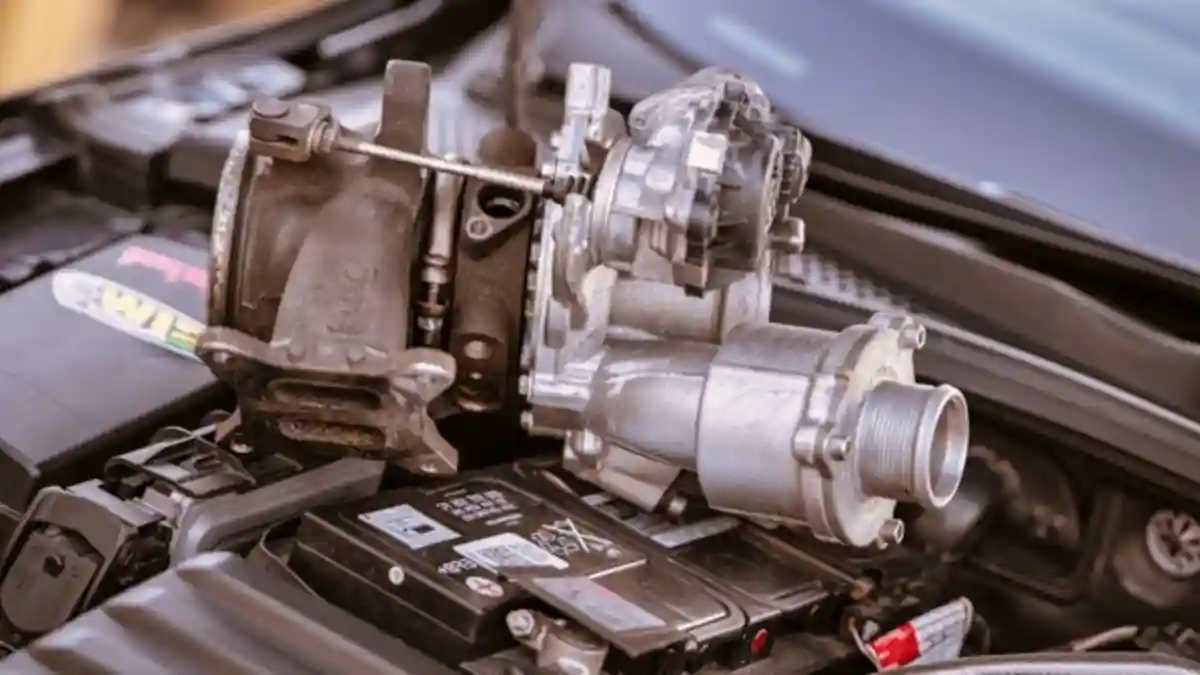
Turbochargers are powerful components that significantly improve a vehicle’s engine performance. However, like any mechanical part, they can wear out over time, and repairing or replacing them can be expensive. Understanding the costs of turbocharger repair and replacement, the factors that affect them, and how to extend the life of your turbocharger can save you money and prevent future problems.
This post will provide you with all the essential information you need to know about turbocharger repair, replacement costs, and maintenance. This will help vehicle owners and drivers make informed decisions about turbocharger repair and replacement options when needed.
What is a Turbocharger?
A turbocharger is a type of forced induction system designed to boost your engine’s performance. It works by compressing the air entering the engine, allowing more oxygen to mix with fuel during combustion. This results in higher power output, improved efficiency, and better overall engine performance.
In simple terms, a turbocharger makes your engine more powerful without significantly increasing its size. That’s why turbochargers are commonly found in modern cars, SUVs, and high-performance vehicles.
Why Turbochargers Can Fail?
Turbochargers are remarkable engineering feats, capable of dramatically increasing engine power and efficiency. However, the very conditions that allow them to perform at such high levels also make them vulnerable to failure over time.
A turbocharger can spin at over 200,000 RPM and operate at extremely high temperatures. This intense environment puts enormous stress on its components, making them susceptible to several common issues:
- Wear and Tear on Bearings and Seals – The turbo relies on precision bearings and seals to function smoothly. Over time, heat and high-speed rotation can cause these parts to wear out, leading to unusual noises, vibration, or loss of boost pressure.
- Oil Leaks and Contamination – Turbochargers depend on a steady supply of clean engine oil for lubrication and cooling. Poor oil quality, delayed oil changes, or oil contamination can lead to seal failure, oil leaks, and even turbo seizure.
- Turbine or Compressor Damage – Foreign debris entering the turbo, extreme temperatures, or overboost conditions can damage the turbine or compressor blades. Damaged blades reduce efficiency and may eventually require a full rebuild or replacement.
- Reduced Efficiency or Complete Failure – If a turbo is not maintained or has sustained damage, it may gradually lose boost pressure, causing slower acceleration, higher fuel consumption, and ultimately complete turbo failure.
Turbocharger Repair Cost
Turbocharger repair is a cost-effective solution for minor to moderate damage, such as worn bearings, damaged seals, or clogged components. Costs vary by vehicle type and complexity, ranging from $300 for small cars to $3,500+ for heavy-duty trucks.
What Does Turbo Repair Involve?
- Disassembling the turbocharger
- Replacing worn bearings and seals
- Cleaning carbon deposits
- Repairing or replacing actuators (VGT systems)
- Precision balancing of the rotating assembly
The cost of repairing a turbocharger can vary depending on the type of vehicle, severity of damage, and labor rates:
| Vehicle Type | Typical Repair Cost |
|---|---|
| Small Cars (Hatchback/Sedan) | $300 – $800 |
| SUVs & Crossovers | $500 – $1,200 |
| Luxury & Performance Cars | $800 – $2,000+ |
| Heavy-Duty Diesel / Semi Truck | $1,200 – $3,500+ |
Factors Affecting Repair Costs
- Extent of Damage: Minor repairs like replacing seals cost less than repairing turbine or compressor damage.
- Labor Costs: Turbo repair is labor-intensive and may involve partial engine disassembly.
- Parts Used: Using OEM (Original Equipment Manufacturer) parts increases the cost, while aftermarket or remanufactured parts are cheaper.
- Location and Workshop: Labor rates vary by region and whether you choose a dealership or independent mechanic.
Pros of Repairing a Turbocharger
- More affordable than a full replacement.
- Quick turnaround for minor repairs.
- Keeps the original turbo unit intact.
Cons of Repairing a Turbocharger
- May not restore full lifespan if the turbo is old or severely damaged.
- Not always suitable for extreme damage or high-mileage turbos.
Tip: Always get a detailed quote that includes parts, labor, and warranty coverage before proceeding with repairs.
Turbocharger Replacement Cost
If a turbocharger is beyond repair, a complete replacement becomes necessary. This can happen when the turbine is severely damaged, the shaft is broken, or the turbo has reached the end of its service life.
Replacement involves installing a brand-new or remanufactured turbo, recalibrating the system, and sometimes replacing associated hoses or intercooler components. Replacement costs range from $1,200 for small cars to $6,000+ for heavy-duty trucks.
| Vehicle Type | Typical Replacement Cost (USD) |
|---|---|
| Small Cars (Hatchback/Sedan) | $1,200 – $2,500 |
| SUVs & Crossovers | $1,500 – $3,000 |
| Luxury & Performance Cars | $3,000 – $5,500+ |
| Heavy-Duty Diesel / Semi Truck | $2,500 – $6,000+ |
Factors Affecting Replacement Costs
- Turbo Type and Brand: OEM turbos are the most expensive, remanufactured units are cheaper, and aftermarket options vary widely.
- Labor Charges: Some vehicles require extensive disassembly, which increases costs.
- Additional Parts: Sometimes hoses, gaskets, and intercooler lines must also be replaced.
- Warranty: New turbos often come with a manufacturer warranty, which can justify the higher cost.
Pros of Replacing a Turbo
- Long-term reliability and performance.
- Full restoration of engine power and efficiency.
- Often comes with a warranty for peace of mind.
Cons of Replacing a Turbo
- Higher upfront cost compared to repair.
- Labor-intensive process can take several hours.
Tip: Replacement is usually the best option for high-mileage or severely damaged turbos to avoid repeated repairs and performance issues.
Signs of a Failing Turbocharger
A failing turbocharger often shows warning signs before complete failure. Recognizing these symptoms early can help prevent serious engine damage and expensive repairs.
- Loss of Engine Power – One of the earliest signs of turbo failure is a noticeable drop in power. The vehicle may feel sluggish, struggle during acceleration, or fail to reach higher speeds because the turbo is no longer supplying enough boost.
- Excessive Exhaust Smoke – Blue, black, or white/grey exhaust smoke are common signs of turbocharger problems—blue smoke indicates oil burning due to seal leaks, black smoke points to poor boost causing excess fuel, and white or grey smoke suggests oil or coolant leakage related to turbo seals.
- Whining, Siren, or Grinding Noise – A high-pitched whining or siren-like sound often points to worn bearings or damaged turbine blades. Grinding or rattling noises usually indicate severe internal damage.
- Increased Oil Consumption – A failing turbo may leak oil through damaged seals, causing rapid oil loss. Frequent low oil levels are a serious warning sign.
- Check Engine Light – Modern vehicles monitor boost pressure and airflow. If the turbo is underperforming, the ECU may trigger the check engine light with turbo-related fault codes.
- Slow or Delayed Boost (Turbo Lag) – If boost pressure builds up slower than normal, it can indicate worn internal components or actuator problems.
- Poor Fuel Economy – When the turbo fails to deliver proper air pressure, the engine burns fuel inefficiently, leading to increased fuel consumption.
- Oil Leaks Around Turbocharger – Visible oil around the turbo housing, intercooler pipes, or exhaust side often indicates seal failure.
- Engine Overheating – A damaged turbo can disrupt exhaust flow and increase engine temperatures, especially in diesel and high-boost engines.
- Complete Loss of Boost – In advanced failure stages, the turbo may stop working entirely, causing the engine to run in limp mode or lose boost completely.
Important Warning
Continuing to drive with a failing turbocharger can result in:
- Engine damage
- Catalytic converter or DPF failure
- Sudden power loss
- Complete engine failure (in extreme cases)
Expert Tip
At the first sign of turbo trouble, get a professional diagnosis. Early repair can save thousands of dollars compared to full turbo replacement or engine repair.
Turbocharger Repair vs Replacement: Which Is Better?
Turbochargers are vital for improving engine performance and fuel efficiency, but they can wear out over time. Vehicle owners often face a key question: should you repair your turbocharger or replace it entirely? The answer depends on the severity of damage, vehicle mileage, and long-term reliability goals.
When Turbocharger Repair Makes Sense
Turbocharger repair is usually the best choice for minor issues like worn bearings, leaking oil seals, actuator problems, or small turbine imbalance. Repairs are generally more affordable, faster, and allow you to keep the original turbo unit intact, making them ideal for low- to mid-mileage vehicles.
Benefits of Repair:
- Lower cost compared to full replacement
- Faster turnaround time for minor issues
- Retains original turbo housing
Limitations of Repair:
- May not restore full lifespan if the turbo is old
- Not suitable for severe internal damage
- Quality heavily depends on the mechanic and parts used
When Turbocharger Replacement Is the Better Option
Replacement becomes necessary when the turbo is severely damaged, has a broken shaft, cracked housing, worn turbine/compressor wheels, or the engine has high mileage. Installing a new or remanufactured turbo restores full engine performance, improves reliability, and often comes with a warranty, making it the best choice for long-term use.
Benefits of Replacement:
- Restores full engine performance and boost
- Long-term reliability and fewer future issues
- Manufacturer warranty ensures peace of mind
Drawbacks of Replacement:
- Higher upfront cost compared to repair
- Labor-intensive and takes more time
- Vehicle downtime is longer
Expert Recommendation: Repair vs Replacement
As a general guideline, if the repair cost exceeds 50–60% of the replacement cost, it is usually wiser to replace the turbocharger. Repairs are ideal for minor damage or low-mileage vehicles, while replacement is recommended for high-mileage engines or severe turbo damage. Choosing the right option can save you money, prevent repeated failures, and ensure your engine continues to run efficiently.
Conclusion
Deciding between turbocharger repair and replacement depends on damage and vehicle type. Estimated repair costs range from $300 to $3,500+, while estimated replacement costs range from $1,200 to $6,000+, depending on your car or truck.
Turbo repair is best for minor issues like worn bearings, damaged seals, or clogged components. It is more affordable, quicker, and retains the original turbo unit, making it ideal for low- to mid-mileage vehicles.
Turbo replacement is recommended for severe damage, broken shafts, or high-mileage turbos. It restores full engine performance, improves long-term reliability, and often comes with a warranty, ensuring peace of mind and preventing repeated failures.
FAQ’s
Here are some frequently asked questions about turbocharger repair and replacement. These answers cover costs, maintenance, and common issues to help you make an informed decision.
Q: What are the common causes of turbocharger failure?
Turbocharger failure is usually caused by oil starvation, dirty or low-quality oil, worn bearings, carbon buildup, foreign object damage, and overboosting. Neglecting regular maintenance or using incorrect oil can accelerate wear and lead to expensive repairs or full replacement.
Q: How long does it take to repair a turbocharger?
The repair process typically takes 2–6 hours, depending on the type of vehicle and the severity of the damage. High-performance cars or heavy-duty diesel engines may require more time due to complex assembly and additional components like VGT actuators or intercoolers.
Q: Can a turbocharger be repaired more than once?
Yes, a turbo can sometimes be repaired multiple times if the damage is minor and components are replaceable. However, repeated failures often indicate the turbo has reached the end of its service life, and a full replacement is usually the more reliable long-term solution.
Q: What maintenance helps extend turbo life?
Key maintenance practices include using high-quality engine oil, regular oil and filter changes, allowing proper warm-up and cool-down, keeping the air intake and exhaust systems clean, and inspecting oil/coolant lines regularly. Following these steps can significantly extend the lifespan of your turbo.
Q: Is it cheaper to repair or replace a turbo?
Repair is generally cheaper for minor damage, such as worn seals or bearings, with estimated costs ranging from $300 to $3,500+. Replacement is more expensive, ranging from $1,200 to $6,000+, but is recommended for severe damage or high-mileage turbos to ensure long-term performance and reliability.
Q: How can I prevent turbocharger damage in diesel engines?
To prevent damage, ensure oil and coolant lines are clean and free of leaks, avoid aggressive driving when the engine is cold, and always use high-quality fuel. Regular inspection of hoses, intercoolers, and air filters can also prevent turbo stress and failure.
Q: Can worn turbo seals cause smoke from the exhaust?
Yes, worn or damaged turbo seals can cause blue or grey smoke as engine oil leaks into the exhaust system. This is a common early sign of turbo wear and should be addressed promptly to prevent further engine damage.
Q: What is the difference between OEM and aftermarket turbos?
OEM turbos are manufactured to meet the vehicle manufacturer’s specifications, offering reliability, consistent performance, and warranty coverage. Aftermarket turbos vary in quality and price, and while some perform equally well, low-quality units can cause premature failure or engine issues.
Q: Are turbocharger warranties worth it?
Yes, warranties are highly recommended because they protect against premature failures, especially for high-performance or heavy-duty turbos. A warranty ensures that you can repair or replace the turbo within the coverage period without incurring additional costs.