
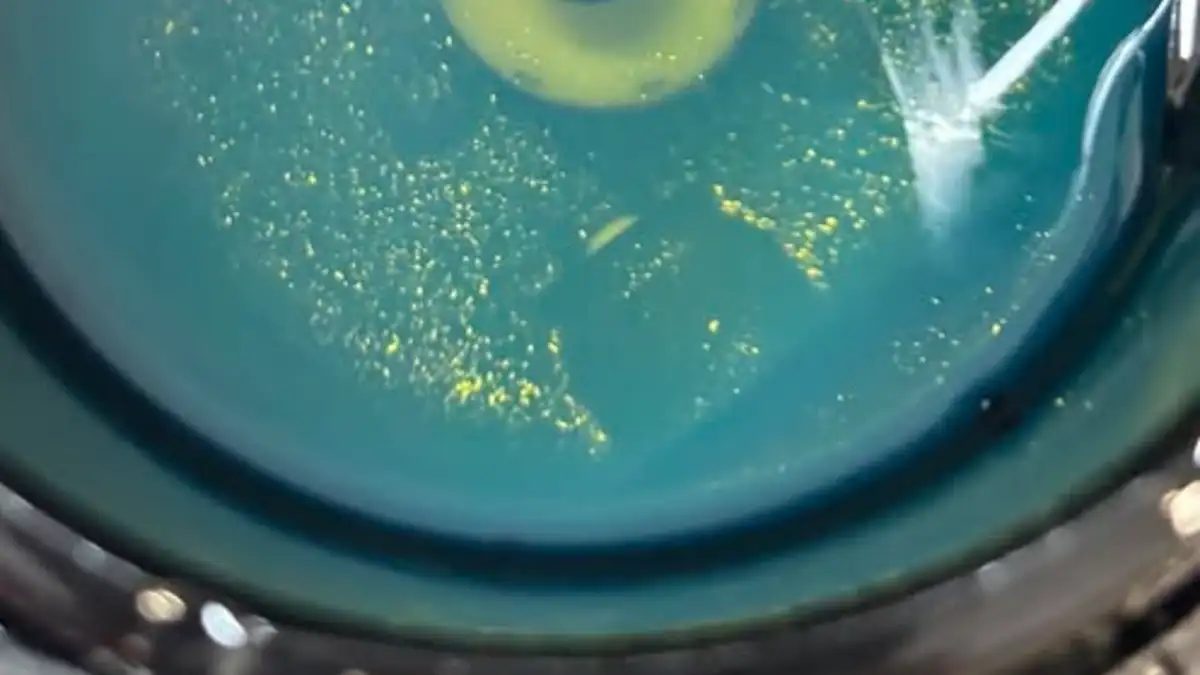
If you operate a Detroit Diesel DD15 engine, the presence of metal shavings in the fuel filter is a serious warning sign that should never be ignored. This issue often indicates internal wear or contamination within the fuel system, which can quickly lead to injector failure, exorbitant repair costs, or even total engine breakdown.
In this guide, we will explain everything you need to know—why metal shavings appear, how to identify the symptoms, and how to both resolve and prevent this issue.
What Does Metal in the Fuel Filter Mean?
When you find shiny particles or metal flakes in your DD15 fuel filter, it usually means metal components inside the fuel system are wearing down. Since the fuel system operates under extremely high pressure (especially in common rail systems), even tiny metal particles can cause major damage.
Common Causes of Metal Particles Found in DD15 Fuel Filters
While there can be numerous reasons for the presence of metal particles in DD15 fuel filters—an issue that typically warrants investigation—the primary cause of metal contamination in DD15 fuel filters and other fuel lines is the use of low-quality fuel pumps. This problem frequently manifests or escalates following a fuel pump replacement.
#1. Failing High-Pressure Fuel Pump
The most significant and critical reason for the presence of metal particles in DD15 engines is the failure of the high-pressure fuel pump. When the internal components of the pump undergo wear, fine metal particles break off and enter the fuel system. These particles subsequently make their way directly to the fuel filters and injectors.
Common Causes of Pump Failure:
- Insufficient lubrication due to an inadequate fuel supply
- Use of contaminated or low-quality diesel fuel
- Normal wear and tear resulting from high mileage and the passage of time
- Operating the truck with a clogged fuel filter
- Installation of inexpensive, low-quality replacement fuel pumps
#2. Dirty or Contaminated Fuel
Bad or contaminated diesel fuel is one of the most common but often overlooked reasons for long-term engine and fuel system damage. Diesel systems operate under extremely high precision. Components like injectors, fuel pumps, and rails have very tight tolerances. Even tiny contaminants in fuel can act like abrasive material or cause internal corrosion.
Dirt and dust particles
These usually enter during poor handling, dirty storage tanks, or unclean fuel filters.
- Act like sandpaper inside the fuel pump and injectors
- Cause gradual abrasion of metal surfaces
- Lead to scoring, reduced efficiency, and eventually metal shavings
Rust (from storage tanks or pipelines)
Rust particles form when metal tanks or lines corrode over time.
- Flakes of rust circulate through the fuel system
- Cause scratching and wear in precision parts
- Can clog injector nozzles and filters
Water contamination
Water can enter fuel through condensation, leaky storage tanks, or poor fuel station maintenance.
- Promotes internal corrosion of metal components
- Reduces lubricating properties of diesel (diesel normally lubricates injectors)
- Can cause injector seizure or pump damage in severe cases
- Encourages microbial growth (bacteria/fungi)
Microbial growth (diesel algae / diesel bug)
Diesel can support microbial life at the fuel-water interface.
- Forms sludge and slimy deposits
- Clogs filters and fuel lines
- Produces acidic byproducts that corrode metal surfaces
- Reduces fuel flow and combustion efficiency
#3. Fuel Filter Neglect
Fuel filters protect the engine by removing dirt, rust, and water from diesel before it reaches sensitive parts like the fuel pump and injectors. When the filter is not changed or maintained on time, it slowly gets clogged. This restricts fuel flow and forces the fuel pump to work harder. In some cases, dirty fuel may even bypass the filter and enter the system directly.
Once contaminants reach the high-pressure pump and injectors, they act like abrasives. This causes internal wear of metal parts, leading to damage and eventually metal shavings circulating in the fuel system. A neglected fuel filter can also allow water into the system, which reduces lubrication and causes corrosion. In short, a cheap and simple filter can prevent very expensive fuel system damage if replaced regularly.
#4. Fuel Injector Failure
Fuel injectors are precision components that spray diesel into the combustion chamber at very high pressure and in a fine mist for proper burning. When injectors start failing, they can contribute to metal wear and contamination inside the fuel system.
This usually happens due to:
- Dirty or contaminated fuel passing through the injector
- Poor filtration or neglected fuel filters
- Excessive pressure or long-term wear
- Water or microbial contamination causing corrosion
As injectors wear out, their internal nozzles and moving parts can get damaged. This leads to poor fuel spray patterns, leakage, and increased friction between metal surfaces. Over time, this internal wear can produce tiny metal particles or shavings, which then circulate through the fuel system and can further damage the fuel pump and other injectors.
#5. Water in the Fuel System
Water contamination in diesel is a serious issue because diesel engines rely on fuel for both combustion and lubrication of key components like the fuel pump and injectors. Water can enter the fuel system through condensation in tanks, leaky storage containers, or poor-quality fuel stations.
Once inside, water causes several problems
- Corrosion: Water promotes rust inside metal parts of the fuel tank, pump, and injectors
- Loss of lubrication: Diesel normally lubricates moving parts, but water reduces this protection, increasing friction and wear
- Poor combustion: Water does not burn, leading to misfiring, rough running, and reduced power
- Microbial growth: Water creates an environment for bacteria and fungi, which form sludge and clog filters
Over time, these effects lead to internal damage of precision components. The increased friction and corrosion can contribute to metal wear and fine shavings in the fuel system, especially in high-pressure pumps.
Warning Signs You Should Never Ignore
If your DD15 fuel system is producing metal shavings, you will often notice multiple symptoms before total failure.
Engine Performance Issues
- Loss of power under load
- Slow acceleration
- Engine hesitation or stumbling
Starting Problems
- Hard starting
- Extended cranking time
- No-start condition in severe cases
Fuel System Symptoms
- Frequent fuel filter clogging
- Presence of shiny metallic particles in filter housing
- Drop in fuel pressure
Engine Warning Lights
- Check engine light
- Fuel system pressure codes (common in DD15 ECM diagnostics)
Unusual Engine Noise
- Knocking or ticking sounds from the fuel pump area
- Engine Vibration & Misfires
How to Diagnose the Problem Properly
Proper diagnosis is important because symptoms like power loss, rough running, or metal shavings can come from several different causes—not just one.
#1. Start With Fuel Quality Check
- Inspect fuel for water separation, cloudiness, or bad smell
- Check if fuel looks darker than normal or has particles
- If possible, drain a small sample from tank bottom
#2. Check Fuel Filter Condition
- Remove and inspect the fuel filter
- A heavily blackened or clogged filter indicates contamination
- Look for metal particles, sludge, or water in the filter bowl
#3. Look for Metal in the Fuel System
- Inspect fuel filter housing and drained fuel
- Presence of fine shiny metal particles = serious warning
- This usually points toward high-pressure pump or injector wear
#4. Scan for injector performance issues
- Use diagnostic tool (OBD scanner or manufacturer tool)
- Check injector balance rates or correction values
- Symptoms of bad injectors include:
- Uneven fuel delivery
- Misfires
- Poor combustion readings
#5. Check Fuel Pump Behavior
- Listen for abnormal whining or grinding noise
- Check fuel pressure (low or unstable pressure = pump wear)
- Metal shavings often start from high-pressure pump failure
#6. Inspect for Water Contamination
- Drain water separator (if present)
- Look for clear layer under diesel in a sample jar
- Check for rust inside tank or filter housing
Solutions for Metal Shavings in a DD15 Fuel System
Metal shavings in a Detroit DD15 engine fuel system are a serious issue because they usually indicate internal wear of the high-pressure fuel pump and can quickly contaminate injectors and fuel lines.
There’s no “quick fix” here—the system must be cleaned and components often replaced to prevent repeat failure.
#Step 1: Stop Engine Immediately
- Do not keep running the engine
- Continued operation spreads metal through:
- Fuel rails
- Injectors
- Return lines
- This increases repair cost significantly
#Step 2: Identify the Source of Metal
- Remove and inspect
- Fuel filter
- Fuel filter housing
- Check for shiny particles:
- Fine glitter-like metal → early pump wear
- Heavy flakes → severe pump failure
Most commonly, the issue starts in the high-pressure fuel pump.
#Step 3: Replace the Root Cause Component
- Replace high-pressure fuel pump (primary source)
- If metal is heavy, also inspect:
- Fuel rails
- Injectors
- Fuel lines
- If pump is not replaced, new parts will fail again.
#Step 4: Flush the Entire Fuel System
- Drain fuel tank completely
- Clean or replace:
- Fuel tank
- Fuel lines (supply + return)
- Fuel cooler (if equipped)
- Use approved diesel flushing procedure (not kerosene shortcuts)
#Step 5: Replace all Fuel Filters
- Install new
- Primary fuel filter
- Secondary fuel filter
- Fill system with clean, verified diesel only
#Step 5. Inspect and Test Injectors
- Perform injector balance test using diagnostic tool
- Replace injectors if:
- Internal scoring is found
- Metal contamination is confirmed
- Even if working, contaminated injectors may fail later
#Step 7: Prime and Recheck Fuel System
- Properly prime fuel system to remove air
- Check fuel pressure stability
- Inspect for repeat metal particles after short run
#Step 8: Prevent Recurrence
- Always use clean, filtered diesel
- Replace fuel filters on schedule (or earlier in harsh conditions)
- Drain water separator regularly
- Avoid contaminated storage tanks
- Consider fuel testing if problem was severe
NOTE
Once metal shavings appear in a Detroit DD15 engine fuel system, the repair is usually system-wide, not single-part replacement. Ignoring one contaminated component almost always leads to repeat failure.
Prevention Tips to Avoid Future Damage
Preventing metal shavings in your DD15 fuel system is much cheaper than repairing it.
- Change fuel filters on schedule (do not extend intervals)
- Use high-quality diesel fuel only
- Drain water separator regularly
- Avoid running tank too low (prevents sediment pickup)
- Replace filters at first sign of restriction
- Use fuel additives only if recommended for diesel systems
- Perform routine fuel system inspections
Cost of Repair (General Estimate)
Repair costs can vary widely depending on damage level:
- Fuel filters replacement: Low cost
- Fuel pump replacement: Moderate to high cost
- Injector replacement: High cost
- Full system rebuild: Very high cost
Final Thoughts
Finding metal fragments in the fuel filter of a DD15 Detroit engine is no minor issue; it is a clear indication of a malfunction within the fuel system—a malfunction often linked to the high-pressure fuel pump. This problem typically manifests after the installation of inexpensive, low-quality fuel pumps. If left unaddressed, this issue can lead to injector failure and result in substantial engine repair costs.
If you identify this problem in its early stages, proper diagnostics—combined with a thorough cleaning of the entire system and the replacement of defective components—can restore your truck’s performance and protect you from long-term damage.
FAQ’s
“Here are some frequently asked questions (FAQs) to help you better understand this.
Q. What causes metal shavings in a Detroit DD15 fuel filter?
Metal shavings are typically caused by a failing high-pressure fuel pump, contaminated fuel, or wear within the fuel system.
Q. Is it safe to drive a DD15 with metal shavings in the fuel filter?
No. Driving with metal contamination can damage injectors, fuel rails, and other critical fuel system components.
Q. What are the symptoms of a failing DD15 fuel pump?
Common symptoms include hard starting, rough idle, loss of power, poor fuel economy, and metal particles in the fuel filter.
Q. Can metal shavings damage DD15 fuel injectors?
Yes. Metal debris can clog or wear out injectors, leading to reduced performance and expensive repairs.
Q. What should I do if I find metal shavings in my DD15 fuel filter?
Stop driving the vehicle and have the fuel system inspected to locate and repair the source of the contamination.
Q. How much does it cost to fix metal contamination in a DD15 fuel system?
Costs vary depending on the damage but often range from several thousand dollars to over $10,000 for major fuel system repairs.
Q. Can bad fuel cause metal shavings in a DD15 fuel filter?
Contaminated fuel can accelerate component wear, but metal shavings are most often linked to internal fuel pump failure.
Q. How can I prevent metal shavings in my DD15 fuel system?
Regular fuel filter changes, quality diesel fuel, and routine fuel system inspections can help prevent premature component wear and contamination.