
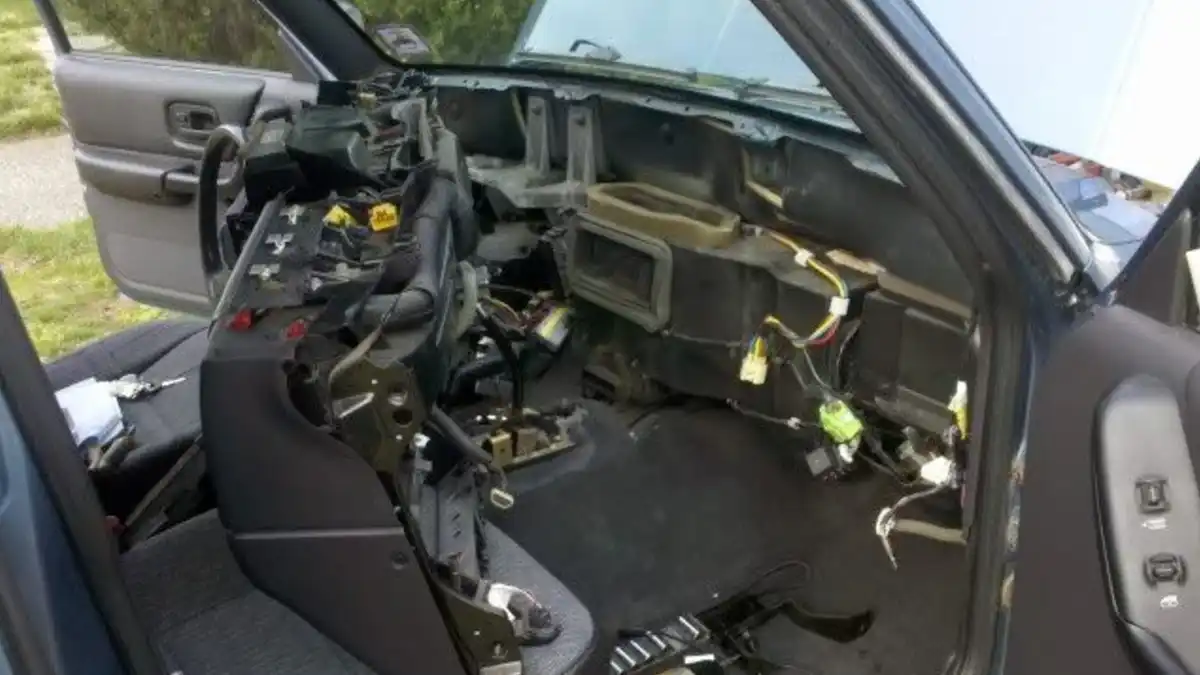
f your car’s heater is blowing cold air, there is a sweet, coolant-like smell in the cabin, or the windshield keeps fogging up, your heater core might be failing. In most vehicles, the heater core is located deep behind the dashboard, making its replacement a labor-intensive job.
Based on our experience, the average cost to replace a heater core in a compact car in the US ranges from $800 to $1,800, covering both parts and labor. While the cost for smaller vehicles might be around $600, it can exceed $2,500 for SUVs, trucks, and luxury cars due to the increased labor time and more complex parts involved; consequently, labor accounts for the largest portion of the total cost.
This guide covers the key factors influencing costs, price variations based on vehicle type, warning signs, and ways to save money on heater core replacement.
Heater Core Replacement Cost: Vehicle Types + Parts + Labor (Quick Answer)
| Cost Type | Average Price |
|---|---|
| Heater Core Part | $100–$600 |
| Labor Cost | $500–$1,400 |
| Total Replacement Cost | $800–$1,800 |
| Economy Cars | $600–$1,100 |
| Mid-Size Sedans | $800–$1,500 |
| SUVs & Trucks | $1,000–$2,200 |
| Luxury Vehicles | $1,500–$3,000+ |
What is Heater Core in Vehicle?
A heater core in a vehicle is a small heat exchanger that is part of the car’s heating and cooling system. It looks and works like a mini radiator, but instead of cooling the engine, it is used to heat the inside of the car cabin.
Hot coolant from the engine flows through the heater core. When you turn on the heater, the blower fan pushes air over the heater core’s hot metal fins. This warms the air, which then flows into the cabin through the vents.
Main Function
- Provides warm air inside the vehicle
- Helps defrost and defog windows for better visibility
- Works as part of the engine cooling system loop
Why Heater Core Replacement Is So Expensive?
Heater core replacement is considered one of the more costly automotive repairs, not because the part itself is expensive, but because of how difficult it is to access and replace.
1. Difficult Location Inside the Dashboard
The heater core is usually installed deep inside the vehicle’s dashboard, often behind multiple interior components. To reach it, technicians may need to remove the dashboard, center console, and several other parts. This makes the job time-consuming and labor-intensive.
2. High Labor Time Required
Most heater core replacements take between 6 to 15 hours of labor, depending on the vehicle. Since labor rates in the U.S. can range from $80 to $200 per hour, the total cost quickly increases even if the part itself is inexpensive.
3. Complex Reassembly Process
After replacing the heater core, everything must be carefully reinstalled, including wiring, dashboard panels, and HVAC components. Any mistake can affect heating, cooling, or electrical systems, so the process requires skilled technicians and careful work.
4. Risk of Additional Repairs
During replacement, mechanics often discover worn heater hoses, leaking seals, or brittle plastic parts. These additional repairs add to the total cost but are often necessary to ensure the system works properly.
5. Vehicle Design Differences
Some vehicles are designed in a way that makes heater core access easier, but many modern cars—especially SUVs and luxury vehicles—have tightly packed dashboards with complex electronics, increasing labor difficulty and cost.
Summary
The heater core itself is not expensive. The high cost comes mainly from labor, complexity, and time required to access and reinstall it inside the dashboard.
Factors That Affect Heater Core Replacement Cost
The cost of heater core replacement is not fixed because every vehicle and repair situation is different. Several technical, mechanical, and location-based factors influence the final price. Understanding these factors helps you estimate a more realistic repair cost and avoid overpaying.
#1. Vehicle Make and Model
The make and model of your vehicle is one of the biggest cost drivers. Some cars are designed with easy access to the heater core, while others require full dashboard removal. Luxury and European vehicles usually cost more due to complex HVAC systems and higher labor requirements.
- Economy cars: simpler design, lower cost
- SUVs and trucks: more space but more labor time
- Luxury vehicles (BMW, Audi, Mercedes, etc.): complex systems, higher labor charges
Luxury and European vehicles often cost significantly more due to advanced HVAC systems and specialized repair procedures.
#2. Labor Time Required
Labor is the largest part of the total cost. Heater core replacement can take 6 to 15+ hours, depending on how difficult it is to access the component. More labor hours directly increase the overall repair cost.
- Average labor time: 6 to 15 hours
- Complex vehicles: can exceed 15+ hours
Since labor rates in the U.S. range from $80 to $200 per hour, even small increases in time can significantly raise the total cost.
#3. Labor Rates by Location
Repair costs vary by location. Urban areas and dealership service centers typically charge higher hourly labor rates compared to independent workshops in smaller towns.
- Urban areas: higher labor charges
- Rural areas: relatively lower cost
- Dealerships: most expensive option
- Independent workshops: usually more affordable
For the same repair, costs can vary by hundreds of dollars depending on location.
#4. Type of Replacement Part (OEM vs Aftermarket)
OEM heater cores are more expensive but offer better fit and reliability. Aftermarket parts are cheaper but may vary in quality, which can affect long-term performance.
- OEM (Original Equipment Manufacturer): Higher quality, better fit, more expensive
- Aftermarket parts: Cheaper but quality varies by brand
#5. Additional Parts Needed
During replacement, related components such as heater hoses, clamps, seals, and O-rings may also need to be replaced. These small parts can add to the total cost.
- Heater hoses
- Clamps and seals
- O-rings
- Coolant
These extra components may seem small but can add $50 to $200+ to the final bill.
#6. Vehicle Age and Condition
Older vehicles often require more labor due to rusted bolts, worn plastic components, and harder-to-remove dashboard assemblies, increasing repair time and cost.
- Rusted bolts
- Brittle plastic parts
- Aging HVAC components
- Hard-to-remove dashboard panels
#7. Cooling System Condition
If the cooling system is dirty or contaminated, additional services like coolant flush or thermostat replacement may be required, increasing the total bill.
- Full coolant flush
- Radiator inspection
- Thermostat replacement
#8. Dashboard Design Complexity
Modern vehicles with tightly packed dashboards, airbags, and electronic systems require more disassembly time, making the repair more expensive.
- Sensors
- Wiring harnesses
- Airbags
- Electronic modules
#9. Dealership vs Independent Mechanic
Dealerships usually charge more due to higher labor rates and OEM-only parts, while independent mechanics often offer more affordable pricing.
- Dealership: higher labor rates, OEM parts only
- Independent shop: lower cost, flexible parts options
- Dealerships may charge 20–40% more for the same repair.
#10. Seasonal Demand
In winter months, demand for heating system repairs increases, which can lead to higher prices and longer wait times.
- Winter: high demand and higher prices & longer wait times
- Off-season (spring/summer) and better pricing & availability
Symptoms of a Bad Heater Core
- Cold air from vents
- Sweet coolant smell
- Foggy windshield
- Coolant loss
- Wet carpet inside car
Should You Repair or Replace the Heater Core?
In most cases, a heater core is not repaired—it is typically replaced rather than fixed. This is because the heater core is a sealed component inside your vehicle’s HVAC system, and once it starts leaking or gets clogged, temporary repairs rarely solve the problem long-term.
When Replacement Is the Better Option
You should replace the heater core if you notice:
- Coolant leaking inside the cabin
- Constant loss of engine coolant
- Sweet smell (antifreeze) inside the car
- Poor or no cabin heating
- Repeated overheating or foggy windshield issues
If the heater core is damaged or leaking, replacement is usually the only reliable solution. A new heater core restores proper heating performance and prevents further coolant loss that could harm the engine.
When Repair Might Be Considered
In rare cases, a “repair” may involve:
- Flushing a mildly clogged heater core
- Using a radiator flush solution to remove buildup
- Checking and replacing faulty heater hoses or valves
Cost Consideration: Repair vs Replacement
- Flushing or minor service: $100–$300 (temporary fix)
- Full heater core replacement: $800–$2,500+ depending on vehicle
However, these are merely temporary measures and generally work only when the problem is a blockage—not a leak. Repair options might be inexpensive initially, but if the core is already deteriorating, they often do not last long.
If your heater core is leaking or severely damaged, replacement is the only long-term and reliable solution. Repair is only worth considering for minor clogs or early-stage issues, but in most real-world cases, replacing the heater core saves money and prevents future problems.
How Long Does Heater Core Replacement Take?
Heater core replacement is a time-consuming repair because the component is located deep inside the dashboard of most vehicles. On average, the job takes 6 to 15 hours of labor, depending on the vehicle type and complexity of the HVAC system.
For many compact and mid-size cars, a skilled mechanic can complete the replacement in about 6 to 10 hours. However, for SUVs, trucks, and luxury vehicles, the process may take 10 to 15+ hours due to additional disassembly, electronic components, and tighter dashboard designs.
In some cases, especially with European or premium vehicles, the repair can extend over one to two full working days if the dashboard removal is complex or if additional parts need to be replaced during the process.
What Affects Repair Time?
- Vehicle make and model
- Dashboard design complexity
- Technician experience
- Condition of old components (rusted or brittle parts)
- Additional repairs discovered during work
Most heater core replacements are completed within one working day, but complex vehicles may require more time due to extensive dashboard disassembly and reassembly work.
How to Save Money on Heater Core Replacement
Heater core replacement can be expensive mainly because of labor costs, but there are several practical ways to reduce your total bill without compromising quality or safety.
- Get Multiple Repair Quotes: Compare at least 2–3 repair shops, as pricing can vary widely between dealerships and independent mechanics.
- Choose an Independent Mechanic: Independent shops usually have lower labor rates compared to dealerships, helping reduce overall cost.
- Use Quality Aftermarket Parts (When Appropriate): Aftermarket heater cores can be cheaper than OEM parts while still offering good performance if you choose a reliable brand.
- Fix The Issue Early: Addressing heater core problems early can prevent coolant leaks, overheating, and additional repair costs.
- Replace Related Parts Together: Replacing hoses, clamps, or seals during the same repair can save future labor charges.
- Look For Seasonal Discounts: Repair costs may be lower during off-peak seasons like spring and summer when demand is lower.
- Check Warranty Or Insurance Coverage: Some repairs may be partially or fully covered under manufacturer warranty or extended service plans.
- Avoid Unnecessary Dealer Add-Ons: Always ask for a detailed breakdown and approve only essential repairs.
Can Engine Overheating Affect the Heater Core?
Yes, engine overheating can affect the heater core, but it is usually not the main cause of overheating. The heater core is part of the vehicle’s cooling system, so when the engine runs at very high temperatures, it increases pressure and stress throughout the system. This can eventually damage heater core seals, cause internal leaks, or lead to clogging due to deteriorated coolant. However, in most cases, the heater core is affected as a result of overheating rather than being the root cause.
- Engine overheating can damage heater core seals and internal components
- High temperature and pressure may cause coolant leaks inside the cabin
- Overheating can degrade coolant, leading to heater core clogging
- A leaking heater core can reduce coolant levels and indirectly contribute to overheating
- The heater core is usually not the main cause of engine overheating
- Common causes of overheating include thermostat failure, radiator issues, and water pump problems
Conclusion
Heater core replacement is a labor-intensive repair because of its location inside the dashboard. While the part itself is not very expensive, the complexity of the job makes it time-consuming and costly.
Replacing a faulty heater core is important for proper cabin heating, windshield defrosting, and overall cooling system health. Addressing the issue early and getting multiple repair quotes can help ensure a reliable repair and avoid unnecessary expenses.
FAQ’s
Here are some frequently asked questions for users to help them understand heater core replacement cost and related issues.
Q. Can a heater core be cleaned instead of replaced?
Yes, in some cases a mildly clogged heater core can be cleaned using a professional coolant flush, but only if there is no internal leak or severe blockage.
Q. What happens if I ignore a bad heater core?
Ignoring it can lead to coolant leaks, weak cabin heating, foggy windshield, and even engine overheating due to low coolant levels.
Q. Does heater core replacement affect AC performance?
Not directly. The AC system works separately, but since both share the HVAC housing, improper installation may affect airflow balance.
Q. Why does coolant leak inside the car?
This usually happens when the heater core develops cracks or internal damage, allowing coolant to leak into the dashboard area.
Q. Can low coolant cause heater core problems?
Yes, low coolant can reduce proper flow through the heater core, causing poor heating and air pockets in the system.
Q. Is heater core replacement covered under insurance?
Most standard insurance policies do not cover heater core replacement unless the damage is caused by an accident or covered event.
Q. How do mechanics confirm heater core failure?
Mechanics check for coolant smell, inspect leaks, test heater performance, and measure coolant flow and temperature differences.
Q. Can a faulty heater core affect engine performance?
Indirectly yes. If coolant leaks and levels drop too low, it can cause overheating and reduce engine efficiency.