
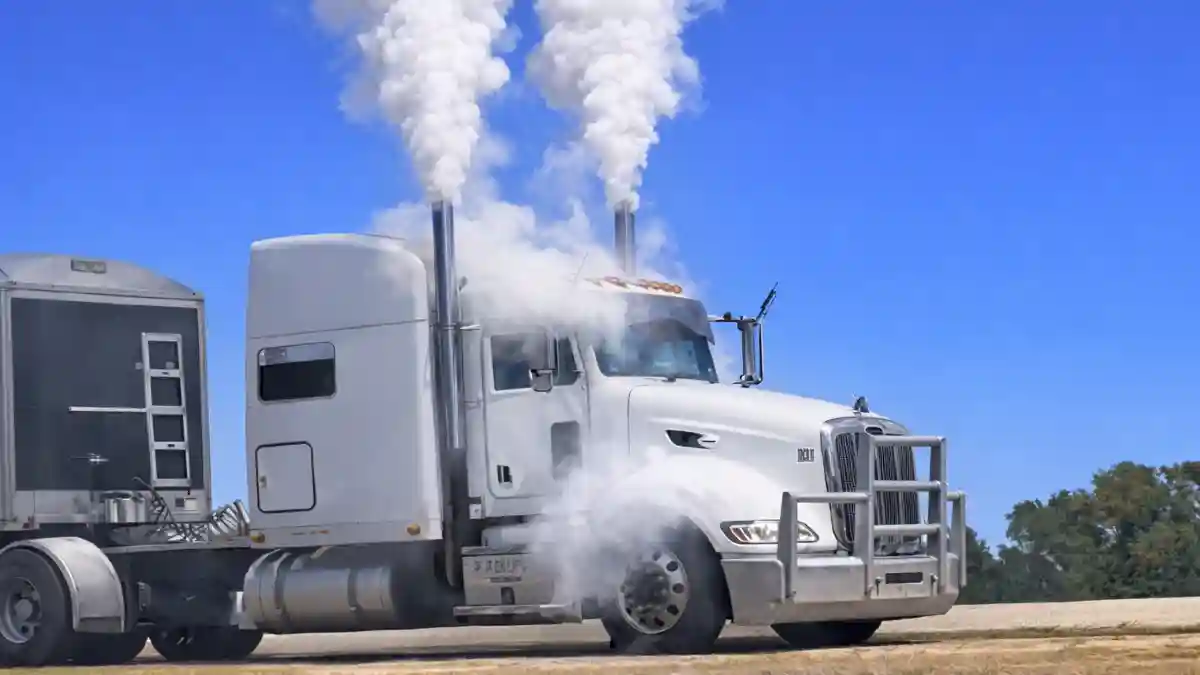
A diesel engine runaway is one of the most dangerous and misunderstood engine failures. Unlike normal engine problems that give warning signs and shut down when the ignition is turned off, a diesel engine in runaway mode can continue running uncontrollably until it destroys itself.
This situation is rare, but when it happens, the results can be catastrophic—severe engine damage, turbocharger failure, fire risk, and extremely high repair or replacement costs. Diesel engine runaway incidents are most common in turbocharged diesel engines used in trucks, generators, heavy machinery, marine vessels, and industrial equipment.repair
Understanding why diesel engine runaway happens, how to stop it safely, and how much repair can cost is critical for vehicle owners, fleet managers, mechanics, and anyone working around diesel-powered equipment.
What Is Diesel Engine Runaway?
Diesel engine runaway occurs when the engine starts running on an uncontrolled fuel source, usually engine oil, instead of diesel injected by the fuel system. Once this happens, the engine speed increases rapidly and cannot be controlled by the accelerator or ignition switch.
Unlike gasoline engines, diesel engines do not rely on spark ignition. They run as long as air and fuel are available. During a runaway event, the engine begins consuming oil vapors or liquid oil entering the intake system, turning the engine into its own fuel source. This is why switching off the ignition often does not stop the engine.
Why Diesel Engine Runaway Happens?
Diesel engine runaway is not a random failure. In most cases, it is caused by mechanical issues, poor maintenance, or turbocharger-related failures. Below are the most common and proven causes.
#1. Turbocharger Failure (Most Common Cause)
Turbocharger failure is the leading cause of diesel engine runaway, especially in modern turbocharged diesel engines. When the turbocharger’s oil seals or bearings fail, engine oil can leak into the intake system. Once this oil reaches the combustion chamber, the engine starts burning it uncontrollably, causing RPM to rise rapidly.
How Turbocharger Failure Leads to Runaway?
- Worn Turbo Seals – Allow engine oil to enter the intake system.
- Failed Turbo Bearings – Cause excessive oil to flood the intake.
- Excessive Crankcase Pressure – Pushes oil through the turbo into the combustion chamber.
- Oil Mist Gets Sucked Into Cylinders – Engine begins burning oil like fuel.
- Engine RPM Increases Uncontrollably – Leading to potential engine damage and high repair costs.
Tip: Early signs include blue smoke from the exhaust, sudden RPM spikes, and oil consumption increase. Addressing turbocharger issues promptly can prevent catastrophic engine damage and expensive diesel engine repair costs.
#2. Oil Ingestion Through the Intake System
Diesel engines are extremely sensitive to oil entering the air intake, because even a small amount of oil can act as uncontrolled fuel. Once oil enters the combustion chamber, the engine can accelerate suddenly, often progressing into a full runaway within seconds.
Common Causes of Oil Ingestion
- Overfilled Engine Oil – Excess oil can be drawn into the intake.
- Failed Crankcase Ventilation (CCV) System – High crankcase pressure forces oil mist into the intake.
- Blocked or Damaged Breather Hoses – Disrupts airflow, allowing oil to enter the engine.
- Excessive Engine Blow-By – Worn piston rings push oil past seals into the cylinders.
- Worn Piston Rings or Cylinders – Oil bypasses the normal combustion barriers and fuels the runaway.
Key Insight: Oil ingestion is often sudden and hard to detect before the runaway occurs. Regular maintenance of the turbocharger, CCV system, and engine internals can prevent this costly issue, saving thousands in diesel engine repair costs.
#3. Failed Crankcase Ventilation (CCV) System
The crankcase ventilation system (CCV) is responsible for regulating internal engine pressure and preventing oil vapors from entering the intake in large amounts. When this system fails, diesel engines are at high risk of runaway, because oil begins acting as uncontrolled fuel.
What Happens When the CCV System Fails?
- Crankcase Pressure Builds Up – Excess pressure pushes oil past seals.
- Oil Mist is Forced Into the Intake – The engine starts drawing oil into the combustion chamber.
- Engine Begins Burning Oil as Fuel – Leading to sudden RPM spikes and potential catastrophic engine damage.
This failure is especially common in high-mileage diesel engines or engines with poor maintenance history. Regular inspection and maintenance of the CCV system can prevent runaway incidents and save thousands in diesel engine repair costs.
#4. Stuck or Malfunctioning Fuel Injectors
While less common than oil-related causes, fuel system failures can also trigger diesel engine runaway or runaway-like behavior. In modern diesel engines, fuel injectors and associated systems are critical for controlling the precise amount of diesel entering the combustion chamber. When these systems fail, the engine can receive excess fuel, causing sudden acceleration that may lead to severe internal engine damage.
Common Fuel System Issues
- Injectors Stuck Open – Diesel injectors can fail mechanically or electrically. When stuck open, fuel continuously flows into the cylinders even if the accelerator is released, causing the engine to rev uncontrollably.
- Faulty Fuel Pumps – High-pressure fuel pumps may malfunction and deliver excessive diesel, pushing the engine into dangerously high RPMs. This can overstress pistons, rods, and turbochargers, resulting in expensive repair or replacement costs.
- Electronic Control Module (ECU) Malfunction – The ECU regulates fuel timing and quantity in modern engines. Malfunctions or sensor failures may lead to over-fueling, preventing the engine from shutting down normally and increasing the risk of runaway events.
In these cases, the engine may still respond to shutdown, but RPM can spike suddenly and dangerously, causing serious internal damage such as bent rods, piston failure, or turbocharger overspeed. Addressing fuel injector or pump problems early can prevent costly diesel engine repairs and avoid dangerous runaway situations.
#5. Excessive Engine Wear and Blow-By
Older or poorly maintained diesel engines are prone to excessive internal wear, which can significantly increase the risk of diesel engine runaway. When critical engine components like pistons, rings, or cylinders wear down, the engine may begin to draw oil into the combustion chamber, creating an uncontrolled fuel source that can cause sudden RPM spikes.
Common Wear-Related Issues
- High Blow-By Gases – Worn piston rings allow combustion gases to leak into the crankcase, increasing internal pressure.
- Oil Pushed Past Piston Rings – Excess oil is forced into the combustion chamber, where it acts as fuel.
- Oil Entering Combustion Chambers – Leads to uncontrolled burning and rapid engine acceleration.
- Loss of RPM Control – The engine may accelerate unexpectedly, bypassing normal throttle or ignition controls.
Engines in this condition are at much higher risk of catastrophic failure during a runaway event. Timely maintenance, including piston ring and cylinder inspection, can prevent serious internal engine damage and costly diesel engine repair bills.
Warning Signs Before a Diesel Engine Runaway
In some cases, a diesel engine runaway provides early warning signs. Recognizing these symptoms early can help operators take action, prevent catastrophic engine damage, and avoid costly diesel engine repairs.
- Sudden Unexplained Increase in Engine RPM – The engine may rev higher than normal without any input from the accelerator.
- Thick White or Blue Exhaust Smoke – Indicates oil or unburned fuel entering the combustion chamber.
- Engine Continues Running After Key is Turned Off – A classic sign that the engine is burning an uncontrolled fuel source like oil.
- Rapid Oil Level Drop – Sudden consumption may indicate oil entering the intake system.
- Whistling or Grinding Noise from Turbocharger – Could signal failing turbo seals or bearings, a common cause of runaway.
- Poor Throttle Response Followed by Sudden Acceleration – Engine may hesitate and then surge uncontrollably, showing loss of normal fuel control.
Ignoring these warning signs can quickly escalate into full diesel engine runaway, potentially causing complete engine failure and very high repair costs. Prompt action, such as shutting off fuel supply, isolating the air intake, or emergency engine shutdown, is critical to prevent damage.
What Happens During a Diesel Engine Runaway?
A diesel engine runaway occurs when the engine begins burning an uncontrolled fuel source, such as engine oil, unmetered diesel, or other hydrocarbons. Once this happens, the engine continues to accelerate on its own, often ignoring the throttle or ignition controls, which can lead to catastrophic internal damage in seconds.
- Uncontrolled RPM Increase – The engine rapidly revs beyond normal limits, often exceeding safe operating speeds.
- Excessive Heat Build-Up – High RPM generates intense heat in pistons, cylinders, and turbocharger components.
- Oil and Fuel Burning in Cylinders – The engine consumes any available oil or unmetered fuel, producing thick blue or white smoke.
- Stress on Engine Components – Pistons, rods, turbocharger, valves, and bearings are subjected to extreme stress, increasing the risk of engine seizure or catastrophic failure.
- Potential for Explosion or Fire – In rare cases, oil or fuel spraying onto hot components can ignite, creating a fire hazard.
- Loss of Engine Control – Standard methods of slowing the engine, such as pressing the accelerator or turning off the ignition, may fail completely.
Result: Diesel engine runaway is extremely dangerous. Without prompt intervention, it can cause total engine failure, require a complete engine rebuild or replacement, and result in repair costs ranging from thousands to tens of thousands of dollars in commercial engines.
How to Stop a Diesel Engine Runaway Safely?
Stopping a diesel engine runaway requires cutting off the air supply or stalling the engine, because simply shutting off the fuel is often ineffective, the engine may continue to burn oil or other uncontrolled fuel sources. Prompt, safe action is critical to prevent catastrophic engine damage and costly diesel engine repairs.
#1. Cut Off the Air Supply (Safest Method)
A diesel engine cannot run without air. Cutting off the air supply is the safest way to stop a runaway.
- Close the Intake Air Flap – Many industrial engines and generators have a manual or automatic intake flap.
- Use an Emergency Air Shutoff Valve – Standard on many industrial diesel systems.
- Block the Air Intake – Only attempt with a solid object if it is safe and accessible.
Cutting off air stops combustion immediately and prevents further engine acceleration, reducing the risk of internal engine damage.
#2. Stall the Engine (Manual Transmission Vehicles)
For vehicles with a manual transmission, it is sometimes possible to stall the runaway engine.
- Shift into the highest gear available.
- Apply brakes firmly to control the vehicle.
- Release the clutch quickly to stall the engine.
Warning:- This method carries significant risks and should only be attempted if no safer option (like cutting off the air) is available. Improper execution can damage the transmission or drivetrain and still may not stop the engine immediately.
#3. Use a CO₂ Fire Extinguisher (Emergency Only)
In extreme situations, a CO₂ fire extinguisher can be used to displace oxygen in the intake and stop combustion.
- Only use CO₂, never powder extinguishers—they can damage the engine and create a fire hazard.
- This is a last-resort measure when mechanical air shutoff or stalling is impossible.
Key Takeaway: The safest and most effective way to stop a diesel engine runaway is to cut off the air supply. Always have emergency procedures and equipment ready on industrial engines, generators, or vehicles with turbocharged diesel engines to prevent severe damage and costly repairs.
What Not to Do When a Diesel Engine Runs Away?
When a diesel engine runs away, your first priority is safety. Doing the wrong thing can worsen the situation, damage the engine, or even put you at risk of injury.
- Do not stand near the engine – a runaway engine can throw debris, leak oil, or overheat.
- Do not rev the engine – pressing the accelerator will only make the situation worse.
- Do not open the oil filler cap – this can cause pressurized oil to spray out or create a fire hazard.
- Do not rely solely on turning off the ignition – many runaway engines will continue to run on oil or uncontrolled fuel.
- Do not panic or act hastily – rushed, ill-considered attempts can damage the engine or endanger the operator. Always follow safe emergency procedures.
Key Tip: Always maintain a safe distance, follow proper shutdown procedures, and utilize emergency systems such as the air shutoff valve. Personal safety comes first – stopping the engine is secondary.
Long-Term Engine Damage After Runaway
Even if you manage to stop a diesel engine runaway, the damage doesn’t always end there. Runaway events put extreme stress on internal components, and many problems may only become apparent later—leading to costly repairs or complete engine replacement.
- Warped or Cracked Pistons – Excessive RPM and uncontrolled combustion generate extreme heat, deforming pistons.
- Bent Connecting Rods – High engine speeds can overstress rods, causing misalignment or failure.
- Cylinder and Valve Damage – Oil or unmetered fuel can erode cylinders, damage valves, and affect compression.
- Turbocharger Overload – Turbo bearings and seals often fail under runaway conditions, leading to oil leaks and reduced boost efficiency.
- Excessive Wear on Bearings – High RPM spikes accelerate wear on crankshaft and main bearings, risking seizure.
- Sensor and ECU Damage – Extreme heat and pressure can damage sensors or even the engine control module.
Key Insight: Even a single runaway incident can shorten engine life significantly. Regular inspections, preventive maintenance, and proper repair after a runaway are critical to avoid long-term operational issues and expensive diesel engine repair costs.
Tip: After any runaway, consider a full engine diagnostic—check pistons, rods, turbo, valves, and sensors to ensure reliable long-term performance.
Diesel Engine Runaway Repair Costs (If Internal Damage Occurred)
The cost of repairing a diesel engine after a runaway event depends on how quickly the engine was shut down.
- Turbocharger replacement: $1,500 – $5,000
- Engine disassembly and inspection: $2,000 – $6,000
- Piston, ring, and cylinder repair: $5,000 – $15,000
- Complete engine replacement: $15,000 – $40,000+
- Industrial diesel engines: $50,000+
In many cases, insurance claims are involved for fleet vehicles and heavy machinery.
Is Diesel Engine Runaway Covered by Insurance?
Many operators wonder whether a diesel engine runaway is covered by insurance. The answer isn’t straightforward—it depends on your policy type, engine use, and cause of the runaway.
- Commercial Vehicle Insurance – Standard auto or truck insurance may not automatically cover mechanical failures like turbocharger leaks or runaway events unless a specific mechanical breakdown or engine protection add-on is included.
- Industrial Equipment Policies – Generators, construction vehicles, or heavy-duty diesel machinery often require separate mechanical breakdown coverage to protect against runaway damage.
- Cause Matters – If the runaway is caused by operator negligence, poor maintenance, or aftermarket modifications, insurers may deny the claim. Conversely, sudden mechanical failure may be covered if properly documented.
- High Repair Costs – Runaway events can cause total engine failure, often requiring full replacement, which can cost $10,000–$50,000+ for industrial engines. Having the right insurance coverage can mitigate this expense.
Tip: Always review your policy carefully, keep up with recommended maintenance, and document your equipment condition. This increases the chance of a successful claim if a diesel engine runaway occurs.
How to Prevent Diesel Engine Runaway?
- Regular oil level checks
- Do not overfill engine oil
- Use manufacturer-approved engine oil
- Inspect turbocharger for leaks
- Maintain crankcase ventilation system
- Replace worn hoses and seals
- Monitor unusual exhaust smoke
- Follow proper service intervals
Final Thoughts
Diesel engine runaway is one of the most dangerous failures a diesel engine can experience. While rare, it carries extreme risk to equipment, property, and human life.
Understanding why it happens, recognizing early warning signs, knowing how to stop it safely, and investing in preventive maintenance can save tens of thousands of dollars in repair and replacement costs. If you ever suspect a runaway event, prioritize safety and seek professional diesel engine inspection immediately.
FAQ’s
Here are some frequently asked questions to help you understand diesel engine runaway better and find quick answers to common concerns.
Q. Can aftermarket modifications cause diesel engine runaway?
Yes. Modifying turbochargers, fuel injectors, or ECU settings can upset the engine’s balance and potentially lead to runaway by allowing uncontrolled fuel or oil consumption.
Q. How fast can a diesel engine reach runaway RPM?
Diesel engines can accelerate to dangerously high RPMs in just a few seconds once runaway starts, depending on engine size, turbocharging, and the type of uncontrolled fuel source.
Q. Are naturally aspirated diesel engines at risk of runaway?
While less common, naturally aspirated diesel engines can still experience runaway if oil or other flammable substances enter the combustion chamber, though turbocharged engines are at higher risk.
Q. Can runaway damage the exhaust system?
Yes. High RPM and excessive oil or fuel combustion can overheat and crack exhaust manifolds, turbo housings, and catalytic components, causing costly repairs.
Q. Is it possible to prevent runaway with routine maintenance alone?
Routine maintenance significantly reduces risk but does not guarantee prevention. Critical systems like the CCV, turbo seals, and fuel injectors must be monitored, and operators should know emergency shutdown procedures.
Q. Can diesel engine runaway trigger a fire?
In rare cases, yes. Excess oil or fuel sprayed onto hot components, like the turbocharger or exhaust, can ignite, especially in confined engine compartments.
Q. Are older diesel engines more susceptible to runaway than new engines?
Generally, yes. Older engines often have worn pistons, rings, seals, and turbochargers, which increase the likelihood of oil entering the intake and triggering runaway events.