
Running a semi truck is more than just driving from one state to another. For owner operators, the truck is a business asset, and the engine is the heart that keeps that business running. Over time, even the most reliable diesel engines begin to wear down. When performance drops or major mechanical issues appear, many drivers face an important question: should they rebuild the engine or replace it entirely?
A semi truck engine rebuild can restore performance and save thousands compared to buying a brand-new engine. However, costs vary depending on the truck model, engine condition, and the type of rebuild needed. This guide covers rebuild pricing, types of rebuilds, warning signs, and ways to reduce costs while extending your truck’s life.
What Is a Semi Truck Engine Rebuild?
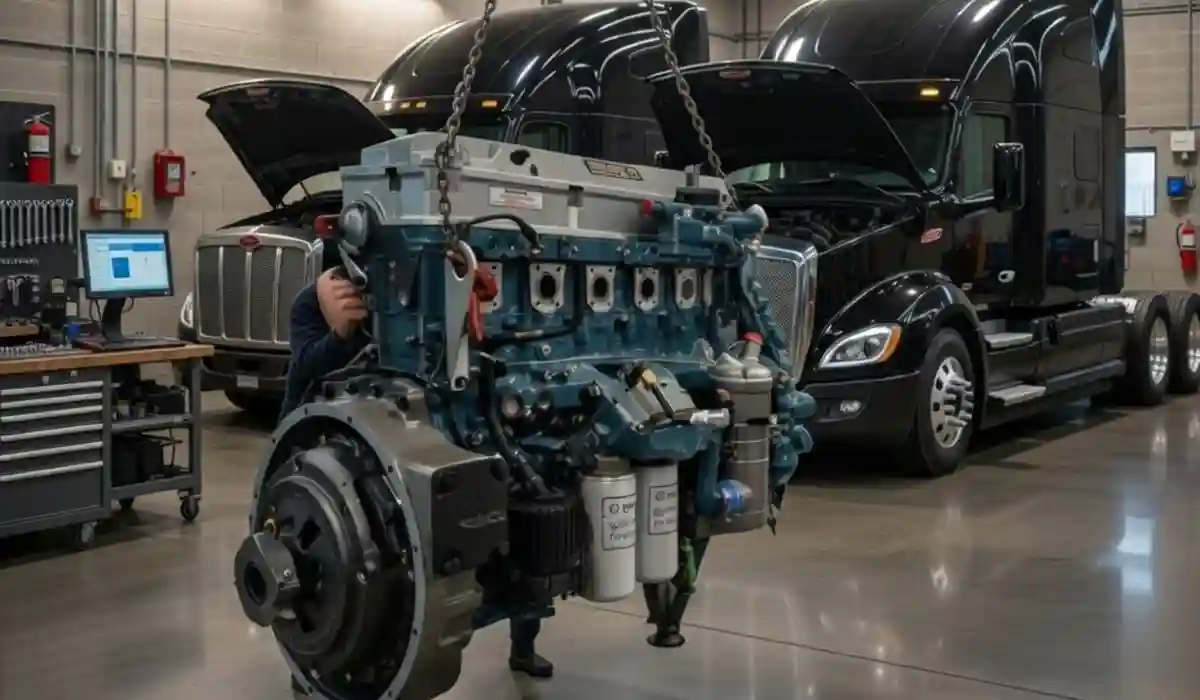
A semi truck engine rebuild is the process of taking apart the engine, inspecting all internal components, replacing worn or damaged parts, and reassembling the engine so it runs like new again. Heavy-duty diesel engines are built to last a long time, often running hundreds of thousands of miles before major repairs are needed. Instead of replacing the entire engine, rebuilding allows mechanics to restore the internal components that wear out over time.
During a rebuild, mechanics typically replace parts such as:
- Pistons
- Piston rings
- Bearings
- Cylinder liners
- Gaskets
- Seals
- Oil pumps
- Fuel injectors
The goal of a rebuild is to restore engine performance, improve fuel efficiency, and extend the engine’s lifespan. For many owner operators, rebuilding the engine is the most practical solution because it keeps the truck on the road without the huge expense of buying a completely new engine.
Average Semi Truck Engine Rebuild Cost
The cost of rebuilding a semi truck engine can vary widely depending on the extent of the damage, the type of engine, labor costs, and the quality of parts used during the rebuild. For owner operators, an engine rebuild is often a major investment, but it can significantly extend the life of the truck and restore lost performance. Instead of purchasing a completely new engine or a new truck, many drivers choose to rebuild because it allows them to fix worn components while keeping the rest of the truck intact.
In general, owner operators in the United States can expect the following price ranges when rebuilding a semi truck engine.
Typical Cost Range
- Minor Rebuild: $10,000 – $15,000
- Standard Rebuild: $15,000 – $25,000
- Full Engine Rebuild: $20,000 – $40,000
- Engine Replacement: $40,000 – $120,000
Minor Rebuild: A minor rebuild usually focuses on replacing a few worn components such as gaskets, seals, bearings, or injectors. This option is often chosen when the engine still runs well but shows early signs of wear.
Standard Rebuild: A standard rebuild involves more extensive work. Mechanics may replace pistons, rings, valves, and other internal components while inspecting major engine systems. This helps restore efficiency and reliability for trucks that have moderate mileage.
Full Engine Rebuild: A full engine rebuild is the most common option for high-mileage trucks. In this process, the engine is completely disassembled, cleaned, inspected, and rebuilt with new or reconditioned parts. When done properly, a full rebuild can add several hundred thousand miles of life to the engine.
Although the price of a rebuild may seem high, it is still significantly cheaper than replacing the entire engine or purchasing a new truck. For many owner operators, rebuilding the engine is a cost-effective way to keep their truck on the road and maintain profitability for years to come.
Types of Semi Truck Engine Rebuilds
Not all engine rebuilds involve the same amount of work. The type of rebuild your truck needs depends on the engine’s condition, mileage, and the level of internal damage. Some repairs only replace a few key components, while others require a complete engine teardown. Because of this, the type of rebuild you choose will have a major impact on both the total cost and the time your truck spends out of service.
In-Frame Engine Rebuild
An in-frame rebuild is one of the most common types of repairs for semi trucks. In this process, the engine remains inside the truck while mechanics replace important internal components. The oil pan, cylinder head, pistons, and cylinder liners are removed and replaced without taking the engine block out of the frame.
Since the engine stays mounted in the truck, labor costs are lower and the repair process is faster compared to more extensive rebuilds.
Average Cost
- $10,000 – $20,000
Benefits
- Lower labor costs
- Faster repair time
- Reduced downtime for the truck
This type of rebuild works best when the engine block, crankshaft, and major structural components are still in good condition. It allows owner operators to restore engine performance without paying for a full engine removal.
Out-of-Frame Engine Rebuild
An out-of-frame rebuild is a much more extensive and detailed repair process. In this case, the entire engine is removed from the truck and fully disassembled. Every internal component—including the crankshaft, camshaft, pistons, bearings, and seals—is carefully inspected, repaired, or replaced if necessary.
Because the engine is completely taken apart and rebuilt, this process requires more labor, specialized equipment, and additional time.
Average Cost
- $20,000 – $40,000 or more
Benefits
- More thorough and complete repair
- Significantly longer engine lifespan
- Restores performance close to factory condition
This option is usually recommended when the engine has severe wear, high mileage, or internal damage that cannot be fixed with a simple in-frame rebuild.
Remanufactured Engine
Another option for owner operators is installing a remanufactured engine instead of rebuilding the existing one. A remanufactured engine is rebuilt in a specialized facility where technicians restore it to factory specifications using new or reconditioned parts. These engines are tested for performance and reliability before being sold, and they often come with manufacturer warranties, which can provide additional peace of mind.
Average Cost
- $25,000 – $45,000
Benefits
- Lower Cost Than a New Engine
- Factory-Level Quality
- Warranty Protection
- Improved Reliability
- Faster Installation and Less Downtime
Many truck owners choose this option when their current engine has major damage or failure, making a rebuild less practical. A remanufactured engine can provide near-new performance while still costing significantly less than purchasing a brand-new engine.
Factors That Affect the Cost of a Semi Truck Engine Rebuild
Several key factors influence how much it will cost to rebuild a semi truck engine. Understanding these can help owner operators plan their repair budget more accurately.
- Engine Model – Different engines, such as Cummins, Detroit Diesel, Caterpillar, or PACCAR units, vary in complexity and parts cost. Some engines are more expensive to rebuild due to intricate designs or costly components.
- Engine Condition – The extent of wear and damage greatly affects cost. Engines with minor wear require fewer parts, while serious damage to components like the crankshaft or cylinder block can make the rebuild significantly more expensive.
- Labor Rates – Labor costs depend on location and shop rates. Diesel mechanics typically charge $90–$160 per hour, and a full rebuild can require 40–100 hours, which adds substantially to the total cost.
- Parts and Components – Replacement parts are a major expense. Common parts include pistons and rings, cylinder liners, bearings, injectors, valves, and gaskets. Using high-quality parts increases longevity but also raises upfront costs.
- Additional Repairs – During a rebuild, mechanics may uncover extra issues such as turbocharger problems, cooling system repairs, fuel system issues, or exhaust damage. These unexpected repairs can add several thousand dollars to the final bill.
Signs Your Semi Truck Engine Needs a Rebuild
Knowing the warning signs of engine trouble can help owner operators address issues before they become costly failures. Here are the key indicators that a semi truck engine may need a rebuild:
- Excessive Smoke – Thick black, blue, or white smoke from the exhaust can indicate worn pistons, valves, or turbocharger issues.
- Loss of Power – If your truck struggles to accelerate or maintain highway speeds, internal engine components may be worn or damaged.
- Unusual Noises – Knocking, tapping, or grinding sounds from the engine can signal problems with bearings, pistons, or other internal parts.
- Oil Consumption or Leaks – High oil consumption, burning oil, or visible leaks may indicate worn seals, gaskets, or cylinder walls.
- Overheating – Frequent engine overheating can point to cooling system issues or internal wear that reduces the engine’s efficiency.
- Metal Shavings in Oil – Finding metal particles in the engine oil is a serious warning that internal components are wearing excessively.
- Poor Fuel Efficiency – A noticeable drop in fuel mileage often accompanies declining engine performance and may indicate the need for a rebuild.
Recognizing these signs early allows you to plan for a rebuild before the engine suffers catastrophic failure, saving time and money in the long run.
How Long Does a Semi Truck Engine Last?
The lifespan of a semi truck engine depends on maintenance, driving habits, and the quality of the engine itself. On average, a well-maintained diesel engine can last 1 million to 1.5 million miles before a major rebuild or replacement may be needed.
Factors that influence engine longevity include:
- Regular Maintenance – Frequent oil changes, filter replacements, and fluid checks help prevent premature wear.
- Driving Conditions – Highway driving is generally easier on engines than stop-and-go city driving.
- Load and Usage – Consistently hauling heavy loads or operating in extreme conditions can shorten engine life.
- Engine Quality – Engines from reputable manufacturers like Cummins, Detroit Diesel, Caterpillar, and PACCAR are designed for long-term durability.
With proper care and timely repairs, many owner operators can get several hundred thousand miles more from their engine before a full rebuild becomes necessary.
How Long Does an Engine Rebuild Take?
The duration of a semi truck engine rebuild depends on several factors, including the type of rebuild, the engine’s condition, and the workload at the repair shop. On average, a rebuild can take anywhere from a few days to several weeks, so planning ahead is essential to minimize truck downtime.
In-Frame Rebuilds: These are usually the quickest option, taking about 3–7 days. Since the engine remains mounted in the truck, only key internal components—such as pistons, cylinder liners, valves, and gaskets—are replaced. This type of rebuild is ideal for engines that have wear but no major structural damage.
Out-of-Frame Rebuilds: A more comprehensive process, out-of-frame rebuilds can take 1–3 weeks. The entire engine is removed, disassembled, cleaned, and inspected. All worn or damaged components are repaired or replaced, and the engine is carefully reassembled. This method is typically required for high-mileage engines or those with significant internal damage.
Remanufactured Engine Installation: Installing a remanufactured engine is often the fastest solution, usually taking 1–3 days. Because the engine is already rebuilt to factory specifications, mechanics primarily focus on removal of the old engine, installation, and testing of the new unit.
Additional Factors Affecting Time:
- Parts Availability: Delays in receiving replacement components can extend rebuild time.
- Unexpected Damage: Discovery of hidden issues during disassembly may add extra repair steps.
- Shop Workload: Busy repair shops may have longer turnaround times.
- Custom Modifications: Engines with aftermarket upgrades or special performance requirements can require extra time.
Overall, while a rebuild can take anywhere from a few days to several weeks, careful planning, selecting a reputable shop, and addressing engine issues early can significantly reduce downtime and help keep your semi truck on the road efficiently.
Rebuild vs Replace: Which Option Is Better?
When a semi truck engine starts showing signs of wear or failure, owner operators face a critical decision: rebuild the existing engine or replace it entirely. Each option has its advantages, and the best choice depends on factors like cost, engine condition, and long-term goals.
Rebuilding the Engine
A rebuild involves repairing or replacing worn internal components to restore the engine’s performance. Rebuilding is often more cost-effective, especially for high-mileage trucks that still have a solid frame and drivetrain. Typical benefits include:
- Lower cost compared to a full engine replacement
- Extended engine life without buying a new truck
- Ability to address only the worn parts while keeping the rest of the engine intact
Replacing the Engine
Replacing the engine with a new or remanufactured unit is a faster solution, particularly if the current engine has severe damage or is near the end of its lifespan. Benefits of replacement include:
- Nearly factory-new performance and reliability
- Reduced likelihood of future major repairs in the near term
- Often comes with a manufacturer warranty for added peace of mind
Which Option Is Better?
- Choose a rebuild if the engine block and major components are still in good condition, and you want to save on costs while extending the truck’s life.
- Choose replacement if the engine has catastrophic damage, excessive wear, or if you prefer minimal downtime and long-term reliability.
Ultimately, evaluating engine condition, repair costs, downtime, and your budget will guide the best decision. Many owner operators find that a full rebuild provides the best balance of performance and cost, while replacement is ideal for those needing maximum reliability and peace of mind.
How Long Does a Rebuilt Engine Last?
The lifespan of a rebuilt semi truck engine depends on the quality of the rebuild, the engine’s original condition, and how well it is maintained afterward. On average, a properly rebuilt engine can last 500,000 to 1,000,000 miles before needing another major overhaul.
Factors Affecting Longevity:
- Quality of Parts and Workmanship – Using high-quality replacement parts and experienced mechanics can dramatically extend engine life.
- Original Engine Condition – Engines that were well-maintained before the rebuild generally last longer than engines with significant pre-existing wear or damage.
- Maintenance After Rebuild – Regular oil changes, filter replacements, and inspections are essential to maximize the rebuilt engine’s lifespan.
- Driving Habits and Load – Highway driving with moderate loads is less stressful than heavy, stop-and-go hauling or consistently carrying maximum payloads.
- Operating Conditions – Engines used in extreme temperatures, dusty environments, or areas with poor fuel quality may experience shorter lifespans.
Regular maintenance is the key to maximizing engine life.
- Regular Oil Changes – Keep the engine lubricated and prevent excessive wear.
- Fuel System Maintenance – Clean or replace fuel filters and check injectors to ensure proper fuel flow.
- Cooling System Checks – Inspect coolant levels, hoses, and the radiator to prevent overheating.
- Turbocharger Inspections – Monitor for leaks, shaft play, or unusual noises to maintain engine performance.
With proper care, a rebuilt engine can provide many more years of reliable service, making it a cost-effective alternative to full engine replacement.
Tips to Reduce Engine Rebuild Costs
Rebuilding a semi truck engine can be expensive, but there are several strategies owner operators can use to lower costs without sacrificing quality.
- Regular Maintenance – Keeping up with oil changes, filter replacements, and routine inspections can prevent major engine damage, reducing the extent of repairs needed.
- Catch Problems Early – Addressing small issues like leaks, unusual noises, or smoke promptly can prevent them from escalating into expensive failures.
- Compare Repair Shops – Get multiple quotes from reputable shops to ensure competitive pricing and quality workmanship.
- Use Quality Rebuilt or Reconditioned Parts – High-quality aftermarket or reconditioned parts can be cheaper than brand-new ones while still offering durability.
- Consider an In-Frame Rebuild – When possible, choose an in-frame rebuild over a full out-of-frame rebuild to save on labor costs and downtime.
- Shop Around for Engines – If replacement is needed, compare prices for remanufactured engines versus full new engines.
- Bundle Repairs – If your truck needs multiple repairs, bundling them during the rebuild can save on labor and avoid repeated downtime.
- Maintain Records – Keeping detailed maintenance and repair records can help mechanics diagnose problems faster, reducing labor hours.
Following these tips helps maximize engine life while minimizing the total cost of rebuilding or repairing your semi truck.
Hidden Costs Owner Operators Should Consider
When planning a semi truck engine rebuild, the sticker price of parts and labor is only part of the total cost. Several hidden expenses can add up, impacting your budget and profitability.
- Downtime Costs – Every day your truck is out of service, you lose potential income. Longer rebuilds can significantly affect cash flow.
- Towing or Transport Fees – If the truck can’t be driven to the repair shop, towing or transport charges may apply.
- Diagnostics and Inspections – Advanced diagnostics to identify all engine issues can add extra labor and testing costs.
- Unexpected Repairs – Mechanics may discover additional damage during the rebuild, such as issues with the turbocharger, cooling system, or fuel system, which increases costs.
- Parts Shipping Fees – Ordering specialized or high-quality components can incur extra shipping charges, especially for rare or heavy-duty parts.
- Taxes and Shop Fees – Some shops add environmental fees, disposal charges for old fluids, or local taxes, which can increase the total bill.
- Downtime for Related Systems – If other systems (like transmission or drivetrain) are affected, repairs may need to be coordinated, adding time and expense.
Understanding these hidden costs helps owner operators plan a realistic budget and avoid unexpected financial surprises during an engine rebuild.
When Should You Rebuild Instead of Buying a New Truck?
For owner operators, deciding between rebuilding an engine and buying a new truck depends on cost, truck condition, and long-term goals. Rebuilding is often the smarter choice when it allows you to extend the life of a reliable truck at a fraction of the cost of a new vehicle.
Consider rebuilding your engine if:
- The truck’s frame and drivetrain are in good condition – If the chassis, transmission, and suspension are solid, a rebuilt engine can give the truck many more years of service.
- Costs of a rebuild are significantly lower than a new truck – A full engine rebuild typically costs $20,000–$40,000, whereas a new semi truck can exceed $120,000.
- You want to minimize downtime – Engine Rebuilding can be faster than purchasing, outfitting, and getting a new truck road-ready.
- You’re attached to the truck’s setup – Many owner operators prefer to keep a truck with proven customizations, sleeper cabs, or specialized equipment.
- You plan to maintain the truck long-term – If you intend to run the truck for several more years, a rebuild is often the most cost-effective way to maximize its lifespan.
In short, if the truck is otherwise reliable and the rebuild restores performance at a reasonable cost, rebuilding the engine is usually the better financial and operational decision compared to buying a new truck.
Final Words
Rebuilding a semi-truck engine typically costs between $10,000 and $40,000, though the final price can vary depending on factors like engine type, condition, and labor. Despite the investment, a rebuild can significantly improve engine performance and extend your truck’s life by hundreds of thousands of miles, making it a more cost-effective alternative to buying a new engine or truck. For any owner-operator, this can be one of the smartest financial decisions you make.
By understanding rebuild costs, recognizing early warning signs, and performing regular maintenance, you can keep your truck running smoothly and reliably. Long-term success for owner-operators depends on maintaining equipment, minimizing downtime, and making smart maintenance choices that keep your business moving forward mile after mile.
FAQ’s
Here are some frequently asked questions about semi truck engine rebuilds to help owner operators make informed decisions and get the most out of their truck investment.
Q. Can I rebuild a semi truck engine myself?
While some experienced diesel mechanics can handle an engine rebuild, it’s generally not recommended for owner operators without specialized tools and training. Diesel engines are complex, and mistakes can lead to costly damage. Professional shops ensure the rebuild meets performance and safety standards.
Q. How does mileage affect engine rebuild cost?
Engines with extremely high mileage often require more replacement parts and additional machining, which increases the cost. An engine with moderate mileage may only need a partial rebuild, while an engine nearing a million miles could require a full out-of-frame rebuild.
Q. Are rebuilt engines covered by warranty?
Most professional rebuild shops offer limited warranties on labor and parts, typically ranging from 6 months to 1 year, depending on the shop. Using a reputable shop ensures some protection in case of post-rebuild issues.
Q. Does rebuilding improve fuel efficiency?
Yes, a properly rebuilt engine can restore lost power and improve fuel economy. Worn components often cause inefficient fuel combustion, so replacing them during a rebuild can reduce fuel costs and restore performance.
Q. How do environmental regulations affect engine rebuilds?
Rebuilding older diesel engines may require compliance with EPA emission standards. Some states require upgraded components like exhaust gas recirculation (EGR) systems or diesel particulate filters (DPF) during a rebuild to meet local regulations.
Q. Can a rebuild increase my truck’s resale value?
Absolutely. A rebuilt engine demonstrates that the truck has been well-maintained and is mechanically sound, which can make it more attractive to buyers and often allows you to sell at a higher price compared to a truck with a worn engine.